If you've ever shopped for a high-quality hairpiece and wondered why are wigs so expensive, you're not alone. The truth mixes materials science, global supply chains, detailed craftsmanship and intangible value like brand trust. This long-form guide peels back layers of cost drivers and delivers concrete ways to protect your wallet without sacrificing quality. Read on to understand the economics, the quality markers, and practical tips to get the best value.
One of the most important answers to why are wigs so expensive starts with what the wig is made from. Human hair, especially Remy hair where cuticles are kept intact and aligned, can be rare and commands a premium. Single-source, ethically sourced bundles that are dye-free, unprocessed, and long tell a story of scarcity and careful collection. Synthetic fibers are cheaper, but high-end heat-resistant synthetics that look and move like human hair require advanced polymer engineering and cost more than low-grade alternatives.
In short, materials explain a big part of the price tag: rare, high-quality hair costs more to procure and maintain.
Another central reason for why are wigs so expensive is manual labor. From hand-tying individual hairs into lace fronts to custom ventilation and hand-sewn wefts, labor-intensive techniques translate into time and wages. A hand-tied wig with monofilament crowns takes hours to produce; skilled workers are not easily replaceable, and quality control requires experienced eyes.
Fact: A skilled wig maker can spend many hours on a single custom cap; labor costs are reflected in the final price.
Cap design matters: lace front, full lace, monofilament, silk top, and polyurethane (PU) blends each have different manufacturing needs. High-end constructions aim for realistic parting, breathable comfort and secure fit. The more advanced the cap, the more time and higher-grade materials are used, raising the price. This is core to why are wigs so expensive: the engineering behind natural movement and scalp-like appearance is not cheap.
Color matching, highlights, lowlights, balayage, custom bleaching and toning all require expert colorists. Custom cuts and density adjustments add further hours of service. When you pay for a custom wig, you pay for unique styling that fits your face, skin tone and lifestyle — and those professionals command premium fees.
Ethical sourcing affects price. Suppliers who pay living wages, provide traceability and avoid exploitative middlemen add to costs, but more customers now expect this transparency. Brands that verify donor consent and implement sustainable practices will often charge more because the supply chain is more responsible and auditable.
Branded wigs often include warranties, replacement policies, styling support and aftercare instructions — all of which are built into the price. If you compare two similar wigs side by side, the one with a generous warranty or included services may appear more expensive but offer better long-term value.
Global supply and demand affect cost. Certain donor regions supply limited quantities of long, untreated hair. When fashion trends amplify demand (for example, a celebrity wearing a distinct look), supply can be strained and prices spike. Shipping, import duties and tariffs on hair products also increase the cost for retailers and consumers.
Wigs intended for medical use, theatrical ensembles or prolonged daily wear must pass stricter quality and safety tests. Heat-resistance testing, adhesive compatibility, hypoallergenic materials and flame-retardant treatments can increase costs. These checks protect consumers and reduce returns, but they are another reason that explains why are wigs so expensive.
Though exact percentages vary, a rough breakdown helps visualize where money goes: materials (30–45%), labor and construction (20–35%), design and customization (10–15%), branding and marketing (10%), logistics and duties (5–10%), warranties and operational overhead (5–10%). Understanding this distribution clarifies that the sticker price is an aggregation of many legitimate expenses, not only profit margins.
When evaluating a wig, ask: How often will I wear it? Do I need medical-grade comfort? Am I seeking a natural appearance for everyday life? The answers help decide whether to invest in a premium human-hair piece or a mid-tier synthetic option. For occasional use and experimental looks, high-quality synthetics can be cost-effective. For daily wear and longevity, human hair often pays off over time.
Proper care makes luxury pieces last. Use sulfate-free shampoos, minimize heat styling on human hair when possible, store on a wig stand, and replace adhesives carefully. Routine maintenance — washing, conditioning, detangling with a wide-tooth comb — preserves fiber integrity. For human hair, occasional professional deep conditioning and rewefting can prolong life. Budget for maintenance: it's a small fraction of the replacement cost and significantly reduces long-term expenditure.

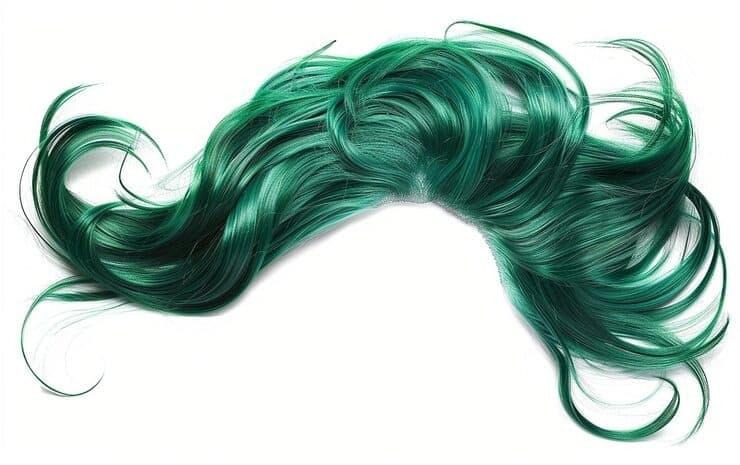
Look for clear product descriptions, photos of supplies, customer before/after galleries, and transparent return policies. Request fiber origin details, cap construction photos, and any certifications. Avoid listings that rely solely on influencer hype without technical specs. These simple verification steps help you pay less while still getting proper value.
Expect synthetic wigs to last 4–12 months with regular wear; premium heat-friendly synthetics can last longer. Human hair wigs, with proper care and rotation, can last 1–3 years or more. A financial way to think about cost: compute cost per month or per wear, factoring in professional maintenance. This metric often reframes perceived high prices as reasonable investments.
Sustainable practices and traceability often add cost, but they reduce reputational and ecological risk. Brands that invest in fair trade collection, low-waste dyeing practices, and community reinvestment may ask more for their products — a price many consumers are now willing to pay.
A final short answer to why are wigs so expensive: because high-quality wigs are the result of scarce raw materials, skilled labor, complex construction, ethical sourcing and aftercare services — all aggregated into a finished product that performs, looks natural and lasts.
If you need a wig for daily medical reasons, prioritize comfort (monofilament, lace front) and longevity — invest. If you want trendy colors or one-off looks, prioritize affordability and consider high-end synthetics. Either way, informed decisions reduce buyer's remorse.
Splurge: You need a natural, durable everyday solution, or you require scalp comfort due to medical reasons.
Save: You want fashion variety, temporary looks, or you rarely wear wigs.
Some ways to increase value include rotating multiple pieces to reduce wear, learning basic repairs (sewing wefts, patching lace), and building relationships with a trusted stylist who offers cost-effective maintenance. Group buys and local salons sometimes offer discounts if several clients order the same bundles.
Note: Prices and availability vary by region and over time. Always ask for the most current supply and sourcing details.Understanding the multiple forces behind wig pricing helps you make educated choices. The cost is rarely arbitrary: it's a downstream reflection of raw materials, ethical sourcing, skilled labor, cap construction, customization, quality control and brand services. With knowledge and a strategic approach you can find the balance between cost and quality that suits your needs.
Ready to shop smarter? Use the checklist above, ask detailed questions, and consider lifecycle cost rather than headline price.
