This deep-dive explores the question why is spencer wearing a wig in season 5 from multiple angles: the narrative logic inside the show, practical production realities behind the scenes, continuity and continuity styling choices, actor considerations, and fan reactions. Whether you're a casual viewer curious about a dramatic makeover or an avid follower of behind-the-scenes trivia, this article explains the creative and logistic factors that combined to produce that unforgettable look. Throughout the piece, the phrase why is spencer wearing a wig in season 5 will reappear in key places to make the subject clear for search engines and readers searching for answers.
The most important layer of explanation is the story itself. On a plot level, characters often change their appearance to signal transformation, conceal identity, or adapt to a new phase of life. In many serialized dramas, a sudden change in hairstyle or the introduction of a wig is a deliberate, visible cue for viewers that a character is trying to hide, reinvent themselves, or cope with trauma. From a narrative perspective, the answer to why is spencer wearing a wig in season 5 can often be distilled into a few core dramatic motives: concealment, deception, emotional reinvention, or a reaction to a major event in the arc.
When a central character needs to avoid recognition — whether to go undercover, to avoid enemies, or to stage a surprise — a wig is the fastest, most effective tool for the screen. The storywriters may have required Spencer to be less recognizable so she could move around the narrative world with less scrutiny, which allows tension to build in scenes where she must be secretive.
Stylists and directors use outward appearance to represent inner change. A wig can mark an attempt at a new identity or a desire to separate current behavior from past self. If Spencer is recovering from a crisis or testing a new social role, a hair change is cinematic shorthand for that transition.
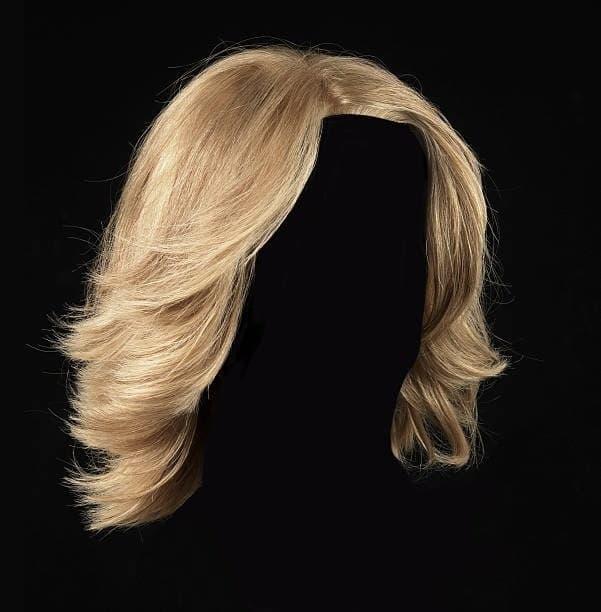
Costume design teams often treat hair as part of a character's wardrobe. The wig may be coordinated with clothing, makeup, and lighting to produce a mood or era-appropriate aesthetic that fits the thematic beats of season five.
Beyond narrative choices, practical production reasons frequently drive the decision to use a wig. These are reasons fans rarely see in the finished episode but that are very familiar to crew members and industry professionals.
Sometimes the choice to wear a wig reflects a collaborative decision between the actor, the series showrunners, and the styling department. The performer may prefer to protect their hair for personal or professional reasons, or they may be eager to experiment with a new look that helps them inhabit a complicated character more fully. Even when the script suggests a hair change, the final execution is often the result of numerous tests, fittings, and conversations about how best to serve the story.
Lead actors need continuity for press cycles, public appearances, and personal schedules. If an actor keeps their natural hair outside production, a wig on set prevents discrepancies between promotional images and episode appearances that might give away plot changes ahead of schedule.
Hairstyling is a visual language. A different cut or color can make a character appear older, younger, more fatigued, more confident, or more desperate. The use of a wig gives stylists absolute control over the precise texture, volume, and silhouette required for a scene — control that is difficult to achieve repeatedly with natural hair under production constraints.
Because searchers often query why is spencer wearing a wig in season 5, it's useful to note that viewers respond emotionally to look changes: a wig might trigger immediate assumptions about deception, trauma, disguise, or a fresh start. Writers and directors exploit those associations deliberately.
The episodes where the wig appears are structured to leverage audience familiarity with the character. In key scenes, the alternative hairstyle is staged to occur at critical moments: reveal scenes, confrontations, and sequences where the character must navigate a crowd unnoticed. Those beats are designed to make the hairstyle matter — it isn't a neutral cosmetic choice, but a functional plot element.
Spoiler note: if you haven't watched season five, the following section contains details about how that hairstyle functions in the story and how it affects relationships between characters.
In scenes that hinge on secrecy or mistaken identity, the wig alters reactions from other characters, which in turn drives conflict. It can create dramatic irony when the audience knows the real identity while the characters do not, or it can heighten shock when a reveal reverses assumptions built across episodes.
Directors often use close-ups, shallow depth of field, and specific lighting to emphasize the wig's texture or to hide elements that would otherwise reveal a disguise. The wig interacts with cinematography; reflections, profile shots, and quick cuts can either expose or conceal the fact that the hairstyle is not natural, depending on the dramatic need.
When a main character suddenly sports a noticeably different hairstyle, fan communities explode with theories, memes, and reaction videos. The question why is spencer wearing a wig in season 5 becomes a social media hook: it feeds speculation about motives, allegiances, and foreshadowing. Production teams are often aware of this dynamic and might use a look change to generate buzz or redirect attention in a crowded media landscape.
Great wig work is invisible. Skilled departments use lace fronts, hand-tied caps, and bespoke coloring to match scalp tone, hairline recession, and natural movement. If the wig appears convincing in day-to-day wear but less so in intimate or high-motion scenes, that's often a purposeful compromise: in scenes demanding close scrutiny, characters may be shot differently, or the shoot may feature tighter camera work to avoid revealing edges.
On long runs, multiple copies of the same wig are often made. Production keeps spares for continuity as well as for differing weather conditions and action sequences. This redundancy is one of the behind-the-scenes reasons why a wig becomes the pragmatic choice for a sustained hair change.
Several assumptions circulate about onscreen wigs: that they indicate stunt doubles, that they prove an actor is hiding something personally, or that wigs are always a budgetary compromise. None of these are universally true. Sometimes wigs are used because they are cheaper than repeatedly coloring hair; sometimes because they are an artistic necessity. The value judgment depends on context.
To answer recurring searches, the single-line question why is spencer wearing a wig in season 5 usually has multiple simultaneous answers: story-driven, actor-driven, stylistic, and technical.
Creators use visual motifs: repetition of a color palette, recurring accessories, or a change in demeanor that pairs with the hair change. These cues ensure that even if viewers don't consciously note a wig, they register the narrative shift it signals. When explaining the choice in press, stylists often emphasize the character's arc, while production notes will mention practicalities like hair preservation and shooting logistics.
If you're studying how television uses physical appearance to tell a story, this example offers useful takeaways: collaborate early across departments, test multiple wig options under camera lights, and think about hair as part of the character's visual grammar. For viewers, paying attention to these details rewards you with a deeper appreciation of the craft and the ways small choices amplify storytelling.
Answering why is spencer wearing a wig in season 5 requires accepting that there is rarely a single reason. The decision is typically the product of a creative brief: the writers specify a plot requirement, the actor and director negotiate performance needs, and the styling and costume teams execute a workable solution within schedule and budget constraints. The wig becomes both a narrative device and a production tool, serving story clarity and technical necessity simultaneously.
The wig's presence is meaningful on-screen because it was chosen to be meaningful; the production did not hide it but used it, and the result is a layered piece of storytelling that operates visually and dramatically.
For the most reliable behind-the-scenes confirmation, look for interviews with the show's costume designer, the series creator, or the actor in question, especially in outlets that post transcripted Q&A or video behind-the-scenes footage. Those sources often clarify whether appearances were narrative-driven, protective of the actor's hair, or purely practical.
The next time you ask why is spencer wearing a wig in season 5, remember to consider both story logic and logistics. Television is collaborative, and seemingly small choices like hair are the product of many people aiming to make a single, coherent world for viewers.
A: Often yes: wig usage can be a deliberate choice to hide or reveal identity. In scenes where misdirection is crucial, a wig is an effective visual tool.
A: Usually actors only wear production wigs during filming; off-camera, they often return to their normal hair. Wigs are primarily a production asset, not a personal choice outside work hours.
A: Not necessarily. Wigs can be used for stunt doubles but are also used for stylistic continuity, rapid changes, and hair protection. Each production uses them differently.
