If you want soft, believable transformations without shouting "wig", think like a wig fairy: attentive, detail-oriented, and armed with simple tricks that make synthetic and human-hair pieces blend into real life. This guide is designed for anyone from a curious beginner to a seasoned stylist who wants practical, search-optimized advice about how to create, style, and maintain natural-looking hairpieces. Expect step-by-step methods, product guides, cap and hairline choices, daily care rituals, and troubleshooting that all highlight the wig fairy ethos: subtlety, longevity, and confidence.

Natural appearance is not accidental. It comes from an understanding of scalp-to-hair relationships, proper tools, and techniques that respect the construction of the piece. A wig fairy approach means paying attention to hair density, hairline irregularity, part placement, cap fit, and movement. When these elements are aligned, a hairpiece looks like a lived-in extension of you, not a mask.
Assessment is everything. Start by measuring your head, checking ear-to-ear measurements, crown placement, and hairline direction. Determine your natural part and where the crown rotates. Use this information to choose a cap and parting style that complements your natural growth patterns. A good fit reduces movement and prevents unnatural lift at the front or sides.
Use adjustable straps, silicone grips, and light adhesive only when necessary. Tape and medical-grade adhesives are for longer wear; for daily use, wig grip bands and clips are often sufficient. The wig fairy tip: always start with a secure but comfortable foundation—nothing ruins realism faster than a slipping hairpiece.
Plucking is a subtle art: remove a few hairs at a time to avoid patchiness. Use tweezers angled along the hairline to create tapered density. For lace front pieces, bleach knots selectively to reduce visible knot contrast. Integrate baby hairs by trimming some strands shorter and softening them with a tiny amount of styling gel or mousse. When creating a part, slightly zig-zag the base rather than making a perfectly straight line; this mimics natural scalp irregularities.
Color matching is more than shade—consider highlights, base depth, and lowlights. Photos in bright light can mislead you; check the piece under indoor, outdoor, and evening light. The wig fairy strategy: opt for multidimensional color blends rather than a single flat tone. Subtle balayage or fine highlights break up monotony and add depth, making the hair appear sun-kissed and real.
Human hair wigs can be curled or straightened, but treat them with professional-grade thermal protection and moderate heat. For synthetic wigs, use heat-resistant fibers or steam styling techniques. To create lived-in texture, alternate between gentle waves and finger-combed finishes. Use a small-barrel curling iron for natural bends rather than tight ringlets, and always finish with a light, flexible-hold spray for movement. The wig fairy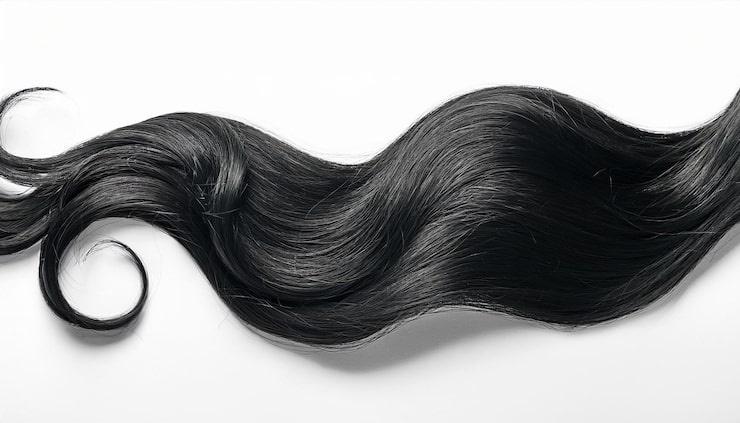 mantra: texture sells authenticity; perfectly uniform strands do not.
Never trim a wig without understanding the cut you want. Point-cut ends to avoid a blunt, wiggy look. Thinning shears work wonders to remove bulk at the crown or soften heavy ends. If you are unsure, consult a stylistspecialist or practice on an inexpensive piece. The wig fairy tip: small, conservative cuts build confidence and allow you to adjust gradually.
The routine for keeping a piece looking fresh is straightforward: gentle cleansing, conditioning, detangling, and proper storage. Wash only when needed (every 8–12 wears is a starting point) with sulfate-free shampoos designed for wigs or gentle human-hair formulas. Condition mainly on lengths and ends, and avoid soaking the cap base to preserve construction. Air-dry on a wig stand to maintain shape and avoid prolonged heat exposure. The wig fairy reminder: consistent care extends life and keeps the appearance natural.
Start at the ends and work upward with a wide-tooth comb or a paddle brush made for wigs. For curly pieces, use fingers and detangling spray to gently separate curls. Never sleep with your wig on unless it's designed for overnight wear—this prevents matting and friction damage.
Shine: Reduce unnatural shine on synthetic wigs with dry shampoo, baby powder (sparingly), or specialty matte products. Test on a hidden area first.
Itchy cap: Use breathable caps and cap liners to wick moisture. Hypoallergenic adhesives and skin-friendly barriers help sensitive scalps.
Slippage: Adjust strap tension, use a wig grip, or secure with discreet clips at the ear tabs. When using adhesives, practice safe removal to avoid damage.
Store on a stand for short-term display, and use a breathable bag or box with tissue for long-term storage to prevent dust accumulation. For travel, a soft-padded case or a compressed packing method with the wig inside a satin bag minimizes friction and keeps styling intact. The wig fairy approach: plan ahead—pack a mini-care kit with a comb, a small spray for refresh, and a satin scarf or cap for secure transport.
For those who want to go deeper, lace tinting, knot bleaching, and re-ventilation can transform an off-the-shelf piece into a bespoke fit. Tint the lace with a thin layer of foundation matched to your skin tone or use a tint spray for delicate blending. Bleach knots conservatively to reduce contrast but avoid overprocessing, which weakens hair attachment. Re-ventilation—replacing density at sparse areas—should be practiced by a technician, though learning basic ventilation can empower personal customization. Every step a wig fairy takes should balance aesthetics and structural integrity.
If your piece needs sewing, base repair, or complex color work, find a wig technician or a salon with specialized wig services. Professionals can reshape bases, restitch wefts, and execute complex bleaching and toning safely. Many stylists trained in wig care also offer consultation to translate your goals into actionable modifications.
Accessories elevate realism: thin, breathable caps that match skin tone, transparent adhesives for lace invisibility, and discrete combs that secure the piece without visible hardware. Use lightweight products like texturizing sprays, leave-in conditioners for human hair, and anti-frizz serums for humidity control. The wig fairy recommendation: invest in a few quality essentials rather than many single-use gimmicks.
Human-hair wigs may be sourced ethically or commercially; research brands and choose vendors that respect donors and offer traceable sourcing when possible. For synthetic fibers, seek products labeled hypoallergenic and low-VOC if sensitivity is a concern. Regular cleaning and breathable liners reduce bacteria buildup, and rotating wigs extends overall lifespan while reducing the need for replacement.
Blend trends with timeless techniques. Try soft curtain bangs for face-framing movement, long layered cuts for versatility, and shoulder-grazing bob cuts for low-maintenance chic. Use subtle color gradients rather than stark ombré for a modern, wearable aesthetic. The wig fairy approach favors adaptability: choose cuts and colors that allow multiple styles so your piece remains relevant across seasons.
When documenting a look, natural light and slightly angled shots communicate realism best. Avoid harsh studio lights that emphasize wig base or shine. Learn flattering part lines and camera-appropriate placements—often a slight side part appears more natural on camera than a middle part. Practice wearing sessions at home to build comfort and experiment with head positions for portrait angles.
Start with a neutral color close to your natural shade, or pick a shade one level lighter or darker to create depth. Try different cap types before committing; return policies matter. Read reviews looking for comments on fit, texture, and customer service. The wig fairy suggestion: sample low-commitment pieces for daily practice and invest in a higher-quality piece once you've established preferences.
Quality often correlates with longevity. Human-hair pieces cost more initially but can be restyled and maintained for years with proper care. High-quality synthetics provide good value for style experimentation. Consider total cost of ownership, including products, repairs, and professional services.
Join forums, follow experienced stylists, and watch tutorial videos focusing on wig customization. Learning from others accelerates your skill set—look for creators who explain both successes and failures. The wig fairy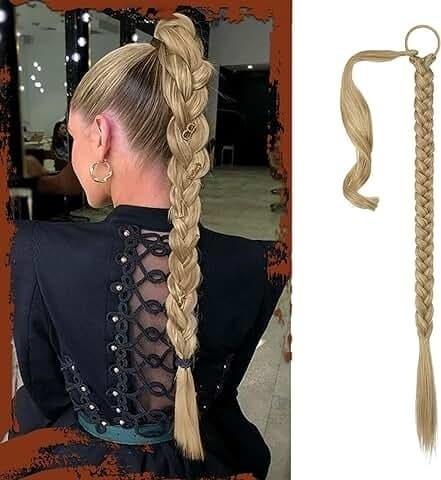 mindset: continual refinement through practice and shared knowledge elevates outcomes.
By integrating these methods, you move from wearing a hairpiece to curating a look that reads as natural, expressive, and uniquely yours. Treat each step as a mindful tweak rather than a wholesale transformation, and you will consistently succeed in producing believable, comfortable styles. Embrace the small details—a slightly imperfect part, a few baby hairs, a lived-in texture—and you embody the wig fairy philosophy: magic through thoughtful effort, not illusion through extremes.

Embodying the wig fairy means mastering the little rituals that turn a good piece into a great one: observation, gentle customization, correct products, and ongoing care. With practice, patience, and the guidance above, achieving a natural-looking, easy-to-style, and long-lasting hairpiece is an attainable skill rather than a secret.
