Many online conversations circle around a single, very specific query: does lyle wear a wig? This piece purposefully reframes the familiar rumor into a careful investigation, offering observant signs, expert perspective, and practical context for readers who want to separate plausible indicators from simple speculation. The goal here is search-friendly and user-focused content that treats the subject with balance, avoiding sensational claims while providing a thorough look at the visual, technical, and behavioral cues that sometimes lead fans to ask whether a performer uses hairpieces or styling aids.
When fans ask does lyle wear a wig, they often mix curiosity about style with deeper questions about identity, presentation, and authenticity. Public figures, especially those in the spotlight, make countless styling choices. A conversation about hair can become a proxy for broader topics: aging, performance, self-care, plasticity of image, and the economics of celebrity grooming. An SEO-aware article must therefore treat the topic with nuance, connecting keyword intent to useful information that readers want: observable signs, expert hair-styling input, and how to assess photographic or video evidence responsibly.
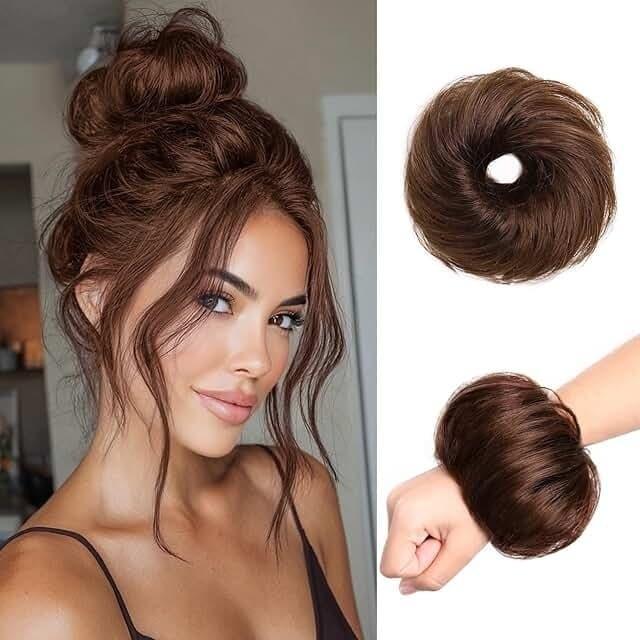
Assessing whether does lyle wear a wig from images or clips requires caution. Photographs are susceptible to lighting, angles, makeup, and retouching. Video frames can be compressed and distorted. Professionals in hair and prosthetics note that several small features — not a single "smoking gun" — tend to cluster when a hairpiece is present. Below we outline seven signs often missed by casual viewers, and we explain why each sign can be more or less persuasive depending on context.
One common indicator is the quality of the hairline. A natural scalp usually shows a very fine, irregular transition from skin to hair follicles. Many modern hairpieces use lace-fronts or hand-tied knots to simulate this, but under certain lighting or motion the junction can look slightly uniform or show a faint edge. That said, a perfectly executed lace-front can be indistinguishable even to trained eyes, so a suspicious hairline alone does not prove much.
When parting hair, observe how light reflects on the parted area. A real scalp has subtle texture and translucency; a wig's base can sometimes display a different sheen or slightly off coloring. Fans often miss how reflective materials used in bases or adhesive areas behave under camera lights. If you notice that the parting looks unusually matte or glossy compared to the forehead skin, it can be a small hint.
Human hair responds to motion with a particular bend and weight distribution. Wigs, depending on construction and anchoring, may move in a slightly more uniform way or hold a shape longer than natural hair. In fast cuts or vigorous movement, watch for a lag or mechanical swing that seems inconsistent with the surrounding strands. Still, skilled stylists can blend extensions and pieces to mimic real dynamics.
Real hair volume fluctuates with humidity, wind, and sweat. If hair looks exactly the same in broadcasts, candid shots, and outdoor appearances regardless of conditions, some fans interpret that as a clue. However, controlled styling, professional anti-humidity products, and heavy styling resin can also produce a similarly consistent appearance without a wig being present.
Behind the ears and at the nape are practical stress points for hairpieces. Many wearers and stylists secure pieces with discreet pins, adhesive, or a snug cap. If you notice unusually consistent coverage around the ears or a smooth, uninterrupted line at the nape that contrasts with the rest of the scalp texture, it could be relevant. Yet, short haircuts and very close trims can also create that seamless look naturally.
Consistency across multiple events can look suspicious: exactly the same parting, identical curl pattern, and identical hairline can raise eyebrows. But professional color, extension blends, and meticulous record-keeping by stylists make intentional replication commonplace. Fans sometimes assume reproducibility equals a wig, while professionals might see it as skilled wardrobe consistency.
Another often-missed sign is the timeline of change. Sudden, dramatic shifts in length, density, or color may prompt the question does lyle wear a wig. A natural transition takes time; wigs and extensions can create immediate transformation. That said, wigs are not the only tool: hair extensions, clip-ins, and topical fibers also produce rapid changes. Look at the broader timeline, corroborating with public appearances and official styling credits.
We consulted generalized input from hair professionals and theatrical wig designers to frame realistic expectations. They emphasize that modern hairpieces can be incredibly convincing: hand-tied fronts, custom coloration, and invisible adhesives combine to deceive even close observation. Many experts prefer to focus on the artistry of presentation rather than the gossip; the same techniques used in a theater production to create character continuity are used in celebrity styling for consistent branding.
Stylists often check stitching patterns, the movement of individual groups of hairs, and how the piece reacts to direct touch. Prosthetics artists look at the base material and edge finishing. For our purposes, that means photographic evidence must be treated with humility: without physical inspection, any claim remains tentative. This is why the keyword-centered question does lyle wear a wig is best answered with a spectrum of probability rather than a definitive yes/no when only visual clues are available.
Fans are sometimes quick to equate any sign of careful styling with artificial hair. This misses two important factors: first, modern haircare products (serums, gels, sprays) can freeze styles in place; second, natural hair can appear fuller or thinner depending on cut and color. Additionally, the term "wig" is broad, covering everything from full-coverage prosthetic systems to clip-in volumizers. Clarifying terminology helps: are we discussing full lace wigs, partial toppers, extensions, or cosmetic fibers? Each has different visual signatures.
Lighting, camera resolution, image compression, and even the angle of a photograph can all amplify or diminish clues. High dynamic range photography might reveal a seam that older cameras would never pick up. Conversely, heavy post-processing can erase real details. Understanding the context in which images are produced and circulated is therefore essential to responsible commentary about whether does lyle wear a wig — online posts often cherry-pick the most suggestive frames.
Part of the fascination with the question does lyle wear a wig comes from a broader cultural curiosity about how people curate their public image. Hair is one of the most visible and editable features. When a person in the public eye appears to change rapidly, audiences often look for simple explanations. Yet those explanations skip the complexity of professional styling, aging, medical reasons, and personal choice.
It's also worth noting the ethical boundary: curiosity should not become invasive. Whether someone chooses a hairpiece for personal or professional reasons is a private decision. Responsible commentary respects agency; it focuses on observable facts rather than implicating motives or speculating about medical conditions. For writers and commenters, that means emphasizing respectful language while satisfying reader curiosity.
When new images or footage appear, apply critical thinking: corroborate across reputable sources, consider the technical aspects of the capture (lighting, lens, processing), and remember that professional styling teams intentionally create continuity. If a credible stylist or the subject publicly addresses the matter, that statement should weigh heavily. Absent direct confirmation, any declaration that does lyle wear a wig remains an informed hypothesis.
There are several non-wig techniques that mimic full coverage: high-quality extensions, toppers, volumizing sprays, hair fibers, and expert cutting/coloring. Each of these can dramatically alter appearance. For instance, hair fibers can fill in thin areas instantly, while a topper can provide volume at the crown without covering the entire head. Recognizing these alternatives helps temper conclusions and highlights the variety of professional tools available.
Occasionally, individuals or their stylists will disclose the use of a hair system. Official confirmation removes ambiguity and allows conversation to center on reasons and maintenance rather than speculation. Until that happens, any claim that does lyle wear a wig is best framed as probabilistic language: likely, possible, or unlikely, supported by enumerated evidence rather than gossip.
Wigs and hairpieces require regular upkeep: washing, conditioning, color-matching, reattachment, and sometimes adhesive replacement. For public figures with heavy schedules, this maintenance is often invisible to fans but can produce consistent visual results across appearances. Understanding that upkeep contributes to a stable image helps explain why certain performers look almost identical from one event to the next.
If you notice incredibly consistent styling, coordinated color matching, and seamless edges across years of appearances, that often indicates a dedicated styling team. This is not proof of a wig per se, but it does show a level of investment in hair presentation that can include wigs among other tools. Once again, the approach should be cumulative: multiple consistent signs together strengthen the plausibility that a hairpiece is involved.
To summarize the investigation, the question does lyle wear a wig invites a layered answer. Visual cues are suggestive but seldom conclusive on their own. Experts advise a careful, contextual approach: look for multiple converging indications, consider professional alternatives, and treat online frames with skepticism. The most responsible response marries curiosity with humility and respects individual privacy while providing readers with clear tools to form their own reasoned opinions.
Final takeaway: rather than a single declarative claim, a thoughtful assessment lists observable signs, ranks their credibility, and recognizes the limits of visual evidence. That method serves both audience interest and journalistic integrity.
For readers who want to dig deeper, consider resources on wig construction, hair science, and professional styling techniques. Technical articles on lace-front design, hand-tied knot appearance, and adhesive behavior under stage lights provide a more technical grounding for the visual cues described above.
This article synthesizes general industry knowledge from hair stylists, theatrical wigmakers, and cosmetic technologists; it intentionally avoids naming private individuals or drawing unjustified conclusions about any single person. The intent is explanatory: to help readers ask better questions and interpret visual evidence responsibly when they wonder whether does lyle wear a wig.
Thank you for reading this detailed, SEO-focused exploration. We aimed to balance keyword optimization with high-quality, respectful content that aids thoughtful discussion rather than fueling rumor.
A: Rarely. Photographs can be suggestive but are often insufficient for definitive proof; physical inspection or a credible public statement provides certainty.
A: Multiple converging signs—unnatural hairline transition, inconsistent movement, and repeated identical styling across different conditions—together are more reliable than any single clue.
A: Yes. Extensions, toppers, fibers, and professional color/cutting techniques can mimic many effects associated with full hairpieces.
