If you want to learn how to wear a wig without a wig cap while keeping a realistic hairline and comfortable fit, this long-form guide walks you through safe, proven methods and styling tips. Many people prefer skipping a wig cap for comfort, ventilation, or aesthetic reasons, and with the right preparation and techniques you can achieve a secure, natural look that lasts all day. Below you'll find step-by-step instructions, product recommendations, troubleshooting advice, and styling strategies designed for both beginners and seasoned wig wearers. This content intentionally emphasizes relevant phrases like how to wear a wig without a wig cap across headings and paragraphs to help search engines understand the theme and provide value to users searching for this exact topic.
Comfort is the top reason many users skip a cap: less constriction, better scalp breathability, and easier heat regulation. Others want to avoid extra bulk under the wig or they simply prefer a very flat, realistic hairline without the added seam a cap sometimes creates. Finally, for creative styling—like blending with natural edges, creating baby hair, or wearing certain updos—a cap can sometimes be restrictive. Whatever your reason, understanding how to wear a wig without a wig cap safely is essential to avoid slippage, irritation, or an unnatural look.
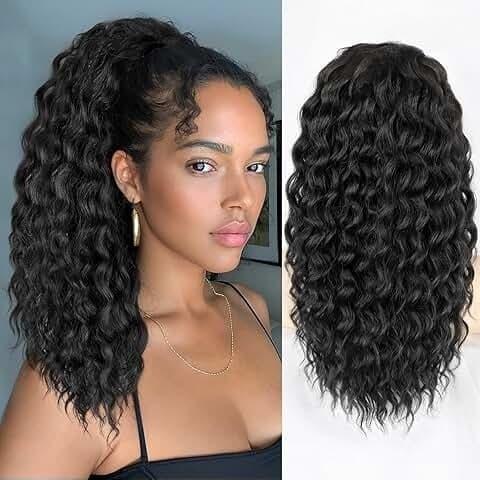
Not all wigs are equally suited for wear without a cap. Lace front wigs and full lace wigs are often the best choices because their lace mimics a natural scalp and can blend well without an under-cap. Monofilament tops also offer realism but may require additional styling to hide the wig base. Many modern lace frontings are thin enough that, when properly secured and blended, they look like genuine hair growth at the part and hairline—especially helpful when you want to avoid wearing a wig cap.
Follow these steps carefully to achieve a natural result:

Not everyone wants glue or tape. Here are several adhesive-free methods that still let you learn how to wear a wig without a wig cap effectively:
A flawless hairline is central to the illusion of natural growth. When learning how to wear a wig without a wig cap, prioritize these blending techniques: pluck the hairline slightly to soften density, use concealer that matches your scalp under the lace part, and create baby hairs to mask any lace edge. For darker skin tones, a thin layer of foundation on the lace can eliminate the 'whitened lace' look. For lighter tones, a lighter concealer works similarly. Always test products on a small area before full application.
Slippage: If the wig slides, try repositioning clips or adding a discreet strip of medical tape under the nape. A thin wig band may solve the issue without full adhesive.
Visible lace: Use tinting, foundation, or lace tint sprays to match your skin tone. Bleaching knots on lace can also reduce the 'dot' appearance where hair is attached to the lace (only on human hair lace wigs and with experience).
Itchiness or irritation: Ensure the wig base is clean and dry, and consider using a barrier wipe or a hypoallergenic adhesive. Avoid wearing heavy products directly against sensitive skin for long periods.
Skipping a wig cap can increase friction between your scalp and the wig base, which may raise the need for regular cleaning. Wash the wig according to its fiber type and detangle gently. Always store on a stand to preserve shape. Clean any adhesive residue from the wig base as recommended—alcohol and adhesive removers can help, but follow the manufacturer's guidance to avoid damaging lace.
While some items are optional, these often make how to wear a wig without a wig cap easier and more reliable:
For stylists fitting clients who prefer no cap, measure and custom-fit lace perimeters to reduce excess material, ventilate hairlines manually for ultra-realism, and use silk-lined wig grips for client comfort during long wear. When working on photoshoots or stage applications, secure wigs with both tape and clips for maximum hold under lights and movement. Always brief clients about removal procedures and skin care post-wear to protect the scalp.

Quick checklist: flat base, suitable wig type, discreet anchor method, blended hairline, and post-wear scalp care.
Learning how to wear a wig without a wig cap is a mix of preparation and technique. Choose the right wig construction, create a smooth base with braids or gel, anchor the wig with non-invasive tools like grip bands, clips, or minimal adhesive, and blend the hairline with baby hairs and color-matching products. With practice, you can enjoy the breathability and low profile of capless wear while maintaining a convincing, comfortable appearance.
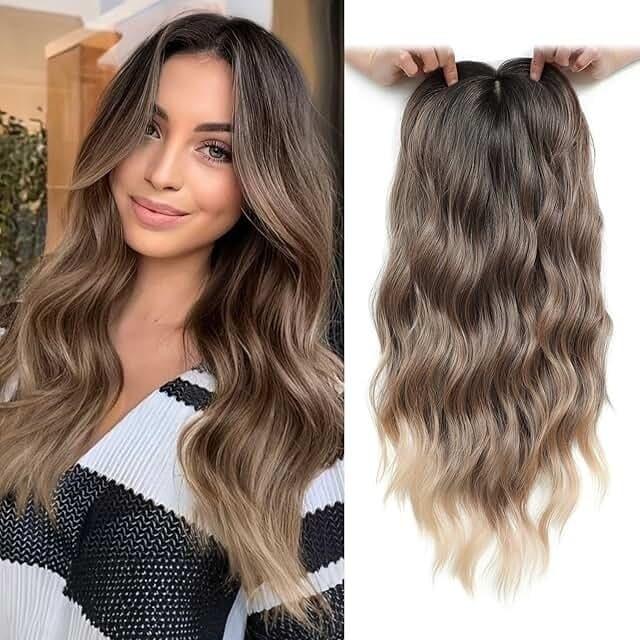
Below are a few final practical reminders: never rush the hairline blending step; do small adhesive patch tests; and maintain a gentle removal routine to protect both your scalp and the lace. Mastering how to wear a wig without a wig cap takes practice, but it rewards you with a natural look and greater comfort.
Look for video tutorials from experienced stylists that demonstrate plucking, baby hair creation, and adhesive application. Professional workshops or wig-fitting classes provide hands-on practice if you plan to wear wigs frequently without a cap. For medical needs, seek guidance from healthcare professionals on safe practices.
If you'd like a printable checklist or a quick reference cheat sheet for how to wear a wig without a wig cap, save this page or copy the steps into your styling kit for easy access when preparing for an outing.A: Yes, for most people it's safe as long as you maintain scalp hygiene, use non-irritating products, and avoid prolonged use of strong adhesives. If you have scalp sensitivity or a dermatological condition, consult a professional first.
A: Use a thin strip of medical tape or lace adhesive at the perimeter, tint the lace to match your skin, pluck to soften the hairline, and create baby hairs to mask the edge.
A: It's not recommended to sleep in any wig for extended periods; sleeping can cause friction, tangling, and stress on both the wig’s base and your scalp. Remove the wig before bed when possible.
