Achieving a believable, comfortable, and long-lasting look with a lace front can be straightforward when you follow clear techniques and avoid common pitfalls. This guide focuses on how to wear a front lace wig in a practical, step-by-step way while offering professional tips that elevate your finish from good to flawless. Whether you're new to lace fronts or refining your routine, you'll find tips on preparation, application, styling, maintenance, and removal so your wig looks seamless and natural every day.
When thinking about how to wear a front lace wig, the main objectives are: a comfortable fit, an invisible hairline, secure adhesion for daily activities, and healthy natural hair underneath. Many people focus only on gluing and forget about hairline customization, lace trimming, and blending edges. This guide balances aesthetic finishing with scalp and fiber care so that both synthetic and human hair lace front wigs look their best.
Start by cleansing your scalp and hair. Remove oils and product residue to ensure adhesives stick properly. If you have long natural hair, braid it into flat cornrows or twist it down neatly. Use a snug, breathable wig cap to hold hair in place. For a smoother base, some people prefer a silicone or nylon cap; choose one that matches your scalp tone as it helps the lace look more seamless. Remember, a clean, dry surface increases adhesion longevity and reduces irritation.
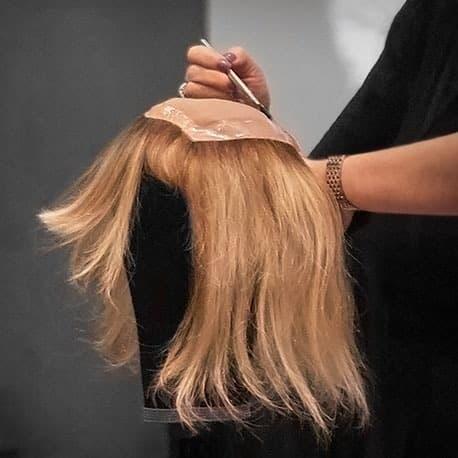
Before trimming, place the wig on a mannequin head or your own head to evaluate the lace. Lace front wigs often come with excess lace—carefully trim lace along the hairline, leaving a small margin (about 1/8 inch) to prevent cutting too close to the knot. When learning how to wear a front lace wig, cutting slowly and checking frequently prevents mistakes. If you want a more natural fall, pluck the hairline slightly with tweezers to mimic natural density; do this sparingly to avoid a patchy appearance. Creating baby hairs can also soften the transition between the wig and your forehead.
To disguise knots, apply a thin layer of foundation, concealer, or lace tint matched to your skin under the lace or directly on the knots. This step visually pushes the scalp back into the hairline. For an even better result, use a thin wig band or tape along the perimeter to help flatten the lace, or lightly spray a lace tint that adheres to synthetic and human hair knots.
Always patch-test adhesives and new makeup products on a small area of skin 24 hours beforehand to check for sensitivity. If you’re using glue, an alcohol-free remover is gentle on the lace and your skin.
There are three common methods to secure a lace front: tape, glue, and sewing. Tape is quick and repositionable, while glue usually gives longer hold. Sewing the cap to braids offers maximum security for sports or long-term wear. For most everyday wearers, a hybrid approach works best: sew the cap edges lightly and use tape or a skin-safe adhesive at the front hairline for invisibility. When using glue, apply thin lines or dots 1/4 inch from your natural hairline, allow it to get tacky, then gently press the lace down. Use a comb or your fingertips to smooth the lace into the adhesive.
After the lace is secured, create baby hairs using small sections of the wig hair near the hairline. Trim carefully and use edge control gel or light hairspray to shape them. A toothbrush or a small edge brush works wonders to lay baby hairs against your forehead. For extra blending, apply a small amount of concealer along the part or hairline and lightly pat with a sponge.
Style the hair as you would natural hair. With human-hair lace fronts, you can safely use heat to straighten or curl; always employ heat protectant. Synthetic wigs may require low-heat tools if labeled heat-friendly. Parting is important: deep side parts or middle parts can dramatically change your look—use concealer or root powder at the part line for that realistic depth. Layering and texturizing can reduce bulk and mimic natural growth patterns.
To keep your lace front looking fresh, sleep on a satin pillowcase or wear a satin bonnet to reduce friction. If the lace lifts or edges become visible, carry a small tube of wig glue or tape for touch-ups. Wash the wig every 8–12 wears for human hair (less for synthetic) with sulfate-free shampoo and condition lightly. When drying, place on a wig stand to retain shape and prevent tangling. For long-term storage, keep wigs on a styrofoam head or in a breathable bag to maintain the cap structure.
Issue: Lace peels by midday. Solutions: Check that the scalp was clean; reapply adhesive in thin layers and allow to become tacky; consider a different adhesive suited to oily skin.
Issue: Wig shifts during activity. Solutions: Sew the wig cap to braids for extra hold, or use wig clips/comb anchors for temporary stability.
Issue: Hairline looks too dense. Solutions: Pluck small sections for graduated density and create baby hairs to obscure the edge. Avoid over-plucking.
There are a few lace types: Swiss lace, French lace, and HD lace. HD lace tends to melt into the skin best and works well for high-definition cameras, while Swiss lace is breathable and durable. For cap structure, choose between full lace, lace front, and 360 lace depending on styling versatility and budget. These choices affect how you approach how to wear a front lace wig because they determine how much manipulation is needed for a natural look.
Keep tangling to a minimum by detangling daily with a wide-tooth comb starting from ends to roots. Apply a small amount of leave-in conditioner or serum to human hair wigs—avoid heavy oils near the lace to prevent loosening adhesives. For synthetic wigs, choose products specifically designed for synthetic fibers. Rotate two or more wigs if you wear them daily to extend lifespan.
Always prioritize scalp health: frequent adhesive use can irritate skin. Give your natural hair breaks between long-term adhesive use. Remove glue gently with a proper adhesive remover to avoid pulling natural hair or causing abrasions. If you experience persistent itching, redness, or swelling, discontinue use and consult a dermatologist.
To remove a lace front, saturate the adhesive with remover until the lace releases easily; do not rip. After removal, cleanse both the wig and your scalp. For washing wigs: detangle, shampoo gently, rinse thoroughly, apply conditioner (avoid roots), and air-dry on a mannequin head. For human hair wigs, deep-condition occasionally to restore moisture.
On a budget, use tape and careful trimming to achieve a convincing finish. For upgraded results, invest in HD lace, a professional plucking service, or custom color-matched lace. Consider a professional stylist for initial fitting and hairline customization if you’re aiming for a red-carpet finish.


Understanding terms helps: “ventilated lace” refers to hair hand-tied to the lace; “knot bleaching” lightens knots to hide rooting; “cap construction” describes the base inside the wig. Familiarize yourself with these so you can buy and maintain wisely.
If you need a wig for work, choose breathable caps and lighter adhesives for comfort. For athletic activities, reinforce the cap with additional sewing and use stronger skin-safe adhesives. For photos and video, HD lace and careful part shading will prevent flashback and reflections.
Light daily care, weekly touch-ups of baby hairs and edge gel, and monthly deep cleaning will keep your investment performing. Replace the adhesive strip or check the glue integrity every 2–4 weeks depending on usage.
Wrapping up, practicing these methods will improve your ability to achieve a realistic hairline and comfortable fit. Repetition will reveal which adhesives, styling products, and cap types work best for your skin tone and lifestyle. Embrace experimentation with plucking, tinting, and baby hair shaping, but proceed conservatively to preserve the wig’s longevity and your natural hair health.
A: With proper care, human-hair lace fronts can last from 6 months to over a year depending on wear frequency and maintenance. Synthetic lace fronts may last several months to a year depending on quality and care.
A: Both have pros and cons—glue often offers longer wear but may require more skill and remover; tape is easier for beginners and less messy. Choose based on your activity level and skin sensitivity.
A: You can, but protect the hair with a satin bonnet or pillowcase to reduce friction and tangling. For adhesives, letting the scalp breathe occasionally is better for skin health, so consider removing the wig overnight when possible.
Relevant keyword focus: Throughout this guide we emphasized how to wear a front lace wig with practical, SEO-focused structure, covering step-by-step application, troubleshooting, and care so readers gain confidence and achieve a natural hairline every time.
