Synthetic fibers are crafted to hold shape, color and texture, but they can become limp, frizzy or tangled over time if not treated properly. For anyone who wants to preserve longevity, reduce fiber damage and avoid irreversible changes, gentle heat-free approaches are ideal. This guide focuses on safe, step-by-step, non-heating techniques to reshape, revive and restyle synthetic hairpieces while maximizing lifespan and aesthetic appeal. Whether you wear wigs for fashion, cosplay, medical reasons, or theatrical use, these methods will help you transform a tired unit into a refreshed, flattering look without applying direct heat.
 : overview and mindset
First, adopt the mindset of careful restoration rather than dramatic remolding. Synthetic wigs respond best to moisture, mechanical shaping (braids, rollers, twists) and specialized products. The phrase how to restyle a synthetic wig here means restoring texture, adding soft waves or curls, reducing frizz, refreshing volume, and trimming or reshaping the silhouette—all accomplished without heat.
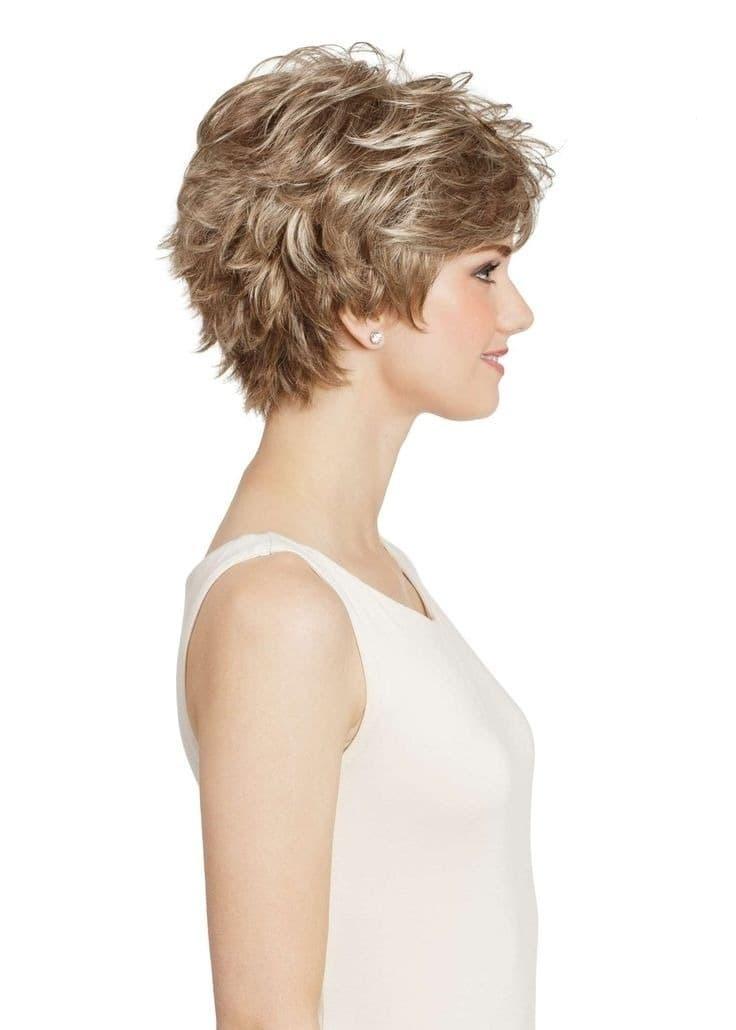
Begin with detangling while the wig is dry by using a wide-tooth comb or a loop brush from ends upward to the roots. If heavy tangles exist, divide the wig into small sections and work section by section. When you need to clean first, use cool water and a wig-specific shampoo or a very mild baby shampoo. Submerge the wig briefly; do not rub. Rinse with cool water, then apply a tiny amount of synthetic-friendly conditioner, rinse lightly, and gently pat with a towel to remove excess water. Never wring or twist. Place the wig on a stand and let it air-dry until slightly damp for restyling steps that follow.
For defined curls or bouncy waves, use foam rollers or flexi rods on a slightly damp wig. Spray the wig evenly with cool water or a diluted leave-in conditioner, then section the hair small to medium depending on desired curl size. Roll each section away from the face, secure with pins or bend flexi rods. Ensure rolls are smooth and not folded, to avoid kinks. Place the wig on a vented stand in a well-ventilated area to air dry fully—this may take several hours. Once dry, unroll gently and finger-style. For additional hold, mist with a wig-safe light-hold hairspray formulated for synthetics.
For looser waves, divide damp hair into multiple braids or simple two-strand twists. Tight braids yield tighter waves; loose braids create subtler texture. Secure ends with small elastic bands or pins. Allow the wig to dry fully on a stand or wear a silk-covered mannequin head to set the style. Undo braids and use fingers to separate waves. Avoid brushing to keep texture intact. This technique is an excellent choice when learning how to restyle a synthetic wig into casual, lived-in styles.
Cut old cotton fabric into strips (rags) or use rolled-up socks as heatless rollers. Wrap damp sections around the rag/sock and tie ends to secure. This method produces smooth, elongated curls and works well for retro looks or defined ends. Dry fully, remove rags, and shape with fingers. Use bobby pins to set any pinned waves for a few minutes to refine the silhouette.
Pin curls are ideal for shorter wigs or when you want sculpted waves near the face. With damp hair, wrap small sections into loops flat against the cap and secure with bobby pins. When dry, remove pins and gently separate loops into waves, using a comb for soft definition. This method simulates salon finger waves without heat.
To add volume, mist the roots lightly with water or leave-in spray, then gently backcomb small sections near the crown using a coarse-tooth comb. Soften the teased area by smoothing the surface lightly with your palm or a soft brush—never brush through aggressively. Finish with a light hold spray to maintain lift. For a longer-lasting effect, create a small, loose base with a hidden bun underneath the wig cap and arrange the top layers around it for subtle elevation.
Small, careful trims can update a wig’s silhouette. To thin or add movement, use point-cutting techniques with sharp shears while the wig is on a headform. For bangs, cut slowly, removing small amounts and checking symmetry often. If you’re nervous about cutting, use temporary methods like clipping sections to preview the shape before removing hair. Mentioned technique: always cut synthetic fibers dry to avoid unexpected shrinkage or irregularities; remember how to restyle a synthetic wig can include controlled trimming done conservatively.
To tame frizz, apply a tiny amount of silicone-free serum or wig detangler to the palms and smooth over the mid-lengths and ends—never to the roots where it can weigh the cap down. For flyaways, use a fine-tooth comb dipped in diluted fabric softener or a spray designed for synthetics to smooth stray fibers. Add accessories like headbands, scarves, clips or pins to conceal imperfections and add immediate style. A well-placed headband can reshape an entire look without altering the wig permanently.
Transform a straight unit into layered-looking waves using stacked braids, or create an updo by securing a low ponytail with bobby pins and wrapping loose ends into a faux bun. Try space buns with twisted sections for playful looks, or use a narrow scarf to create a bohemian head wrap that also protects hair. For cosplay or color-block looks, use clip-on extensions or temporary wrap pieces to add distinct color or length without altering the base wig.
Some restoration work is best left to specialists. If the cap is coming apart, fibers are severely matted beyond detangling, or the wig no longer fits comfortably, consult a professional wig stylist or the manufacturer. High-grade or expensive synthetic pieces can be reconditioned professionally; sometimes replacement is more cost-effective for heavily worn fibers. A professional can also perform advanced work like selective fiber restyling or re-rooting to refresh the unit.
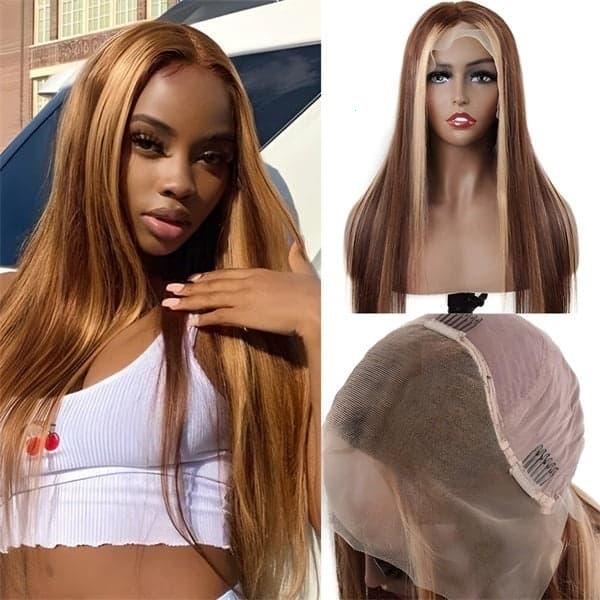
Restyling a synthetic wig at home is an exercise in patience and technique rather than force. Follow these step-by-step heatless methods: cleanse gently, set curls with rollers or braids while damp, shape with pins, and finish with light styling products and trims. Remember that the keyword how to restyle a synthetic wig implies a series of careful choices—product selection, drying technique, and styling method—all designed to maintain fiber integrity while delivering the managed look you want. With practice, you can create numerous looks from a single unit without ever needing direct heat.
Look for: shampoos and conditioners labeled for synthetic wigs, foam or flexi rollers, silicone-free detanglers, and lightweight hairsprays made for synthetic fibers. Avoid products containing oil or heavy waxes that can coat fibers. Always perform a small strand test with any new product.
Whether you aim for polished waves, playful curls, or textured volume, the heatless, gentle route preserves your investment and opens creative options. Keep experimenting with rollers, braids, and pins—each method refines your skill at restoring and restyling a synthetic unit at home.
