This long-form exploration examines the persistent question many fans and curious readers ask: is ralph macchio wearing a wig? Rather than repeat a headline, this piece unpacks the claim with measured analysis, photographic context, role-by-role notes, and a decades-spanning hairstyle timeline to help you decide for yourself. The goal is to combine observational detail, public-sourced imagery descriptions, and hair-professional signals — not to defame or spread rumor, but to evaluate evidence and explain why this question keeps resurfacing in celebrity conversations.
Before we address the specific case of Ralph Macchio, it's useful to understand why viewers scrutinize celebrity hair. Hairstyles are a key part of identity, continuity in film/TV, and perceived youth. Audiences notice differences across time, lighting, and camera angles. When an actor appears to have an unusually consistent hairline, sudden density changes, or perfect styling in scenes with harsh lighting, speculation about a wig or toupee can follow. That background frames why the question is ralph macchio wearing a wig has traction: he became famous as a teen in the 1980s and remains visibly active onscreen decades later.
Searching through interviews, official production notes, and reputable entertainment reporting, there is no documented or verified public statement from Ralph Macchio or a credited stylist asserting he habitually wears a wig in real life. Actors do, on occasion, use hairpieces for particular roles — especially when continuity, period accuracy, or specific hair volume is required — and productions sometimes document that in behind-the-scenes features. For Ralph Macchio, however, the public record does not contain an unequivocal admission that he wears a wig day-to-day. This absence of direct confirmation is significant but not definitive: it means we rely more on photographic and contextual evidence than on statements.
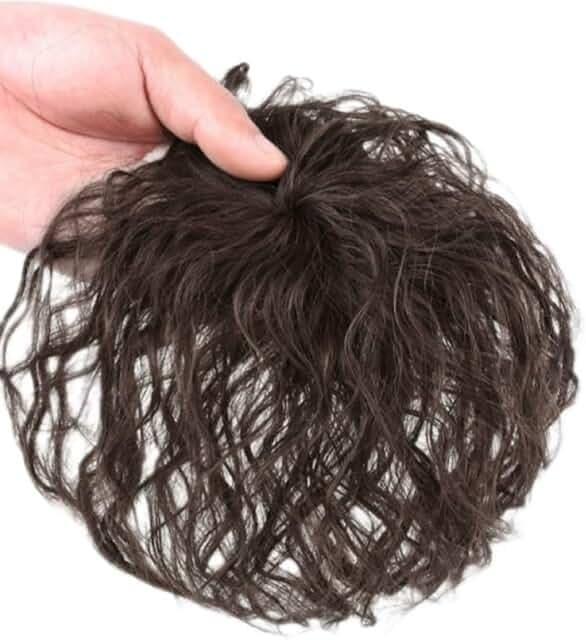
When people search for the answer to is ralph macchio wearing a wig, they often point to a handful of publicity stills, red-carpet photos, and on-set captures. Evaluating these images requires attention to:
Across many images of Macchio — from his early '80s lifestyle press shots to modern Cobra Kai promotional photos — his hair exhibits continuity in texture and movement that is consistent with natural hair tailored by professional styling. The crown, parting, and temple areas move and catch light in ways often associated with natural density rather than a fixed toupee. That said, occasional shots from particular angles suggest he might use styling techniques, extensions, or lightly applied hair fibers to maintain a fuller appearance for certain scenes or events. Such cosmetic measures differ from a full wig and are common in the industry.
Film and TV productions commonly use wigs and hairpieces for period accuracy and rapid continuity. For example, an actor may wear a 1980s-style wig while shooting flashbacks to ensure identical hair between takes filmed months apart. In Ralph Macchio's case:
Overall, industry practice allows for partial hairpieces or temporary enhancements in specific scenes, but that is different from the claim that someone consistently wears a wig in daily life. There is no verified production credit or behind-the-scenes confirmation stating that a full wig was used for Macchio in a way that would substantiate the broader rumor.
Some common phenomena that fuel wig speculation include:
 achieved through styling and concealers that fill sparse areas.
When fans ask is ralph macchio wearing a wig, these common factors are often why a hairpiece is suspected. Without corroborating details like visible lace, multiple behind-the-scenes shots showing an attachment, or a stylist's admission, such signs are circumstantial.
Early 1980s: Teen actor with naturally thick, dark hair; signature mop-top look that became iconic after his breakout role. Styling prioritized volume and soft fringe.
Late 1980s–1990s: Transition to more mature styles; haircuts became shorter and neater, reflecting age and changing trends. Photos from red carpets show natural part lines and consistent density.
2000s: Continued shorter styles, often well-groomed for interviews. Any perceived change in hair volume here is consistent with normal adult hair changes and industry styling.
2010s–present: Return to slightly longer styles in promotional materials for nostalgia-driven projects; hair remains dark with controlled volume, stylist-applied sheen, and careful parting to retain a recognizable silhouette for fans of early work.
Professional stylists evaluating high-resolution images typically remark on texture, edge detail, and movement. In many celebrity cases, experts explain that subtle extensions, hair fibers, and even micro-tinting of the scalp can create a fuller look without a wig. If asked whether an actor wears a wig, a stylist might respond that they never publicly disclose client-specific hair restoration or augmentation methods due to privacy and contractual concerns. Consequently, absence of stylist testimony is not conclusive evidence of natural hair, but the public pattern of photos is a strong indicator.
Context matters: one isolated image rarely proves a hairpiece claim; patterns across time and settings are more reliable.
Critics often cite a single event photo or poorly-lit red carpet shot as proof that a celebrity like Ralph Macchio is wearing a wig. To evaluate these claims, ask:
In Macchio's case, the available high-quality images seldom show telltale wig signs. When unusual consistency appears, it's frequently explainable by styling, lighting, and camera work.
After reviewing public imagery, standard production practices, and the absence of direct confirmation from credible sources, the most balanced conclusion is that there is no convincing, documented evidence proving that Ralph Macchio regularly wears a wig in his personal life. Some images and modern production styling choices can create the illusion of a fixed hairpiece, and subtle hair enhancements are common for actors — but those enhancements are not the same as a full wig. So, while curiosity is understandable and the question is ralph macchio wearing a wig is a natural one for fans of his enduring career, the available body of evidence supports the view that he primarily wears his own hair, professionally styled, with occasional cosmetic aids for specific roles or appearances.
Celebrity hair discussions should be anchored in evidence and respect for privacy. Avoid jumping to conclusions based on a single image, and favor corroborated facts over speculation. If future materials emerge — such as a stylist interview or production note confirming a hairpiece — that would change the assessment. Until then, the fair stance is cautious skepticism toward sensational claims and an appreciation for the craft of professional styling that keeps on-screen personas consistent.
For readers who want to dig deeper into photo analysis methods, a short glossary follows:
lace front: a wig construction allowing for a more natural-looking hairline;
hair fibers: cosmetic keratin powders that adhere to hair shafts to create a fuller appearance;
extensions: added hair strands that increase length or volume but are not full wigs;
toupee: a small hairpiece typically used to cover a bald spot.
Public fascination with celebrity appearances is part of modern popular culture. When the question is ralph macchio wearing a wig crops up, the best response is an evidence-based review of photos, production details, and expert commentary. As of the current public record, there is no definitive proof of a full wig in day-to-day life; professional styling and scene-specific hairpieces remain the more likely explanations for any perceived change.
Yes. Professional lighting, camera exposure, and post-production retouching can make hair appear unnaturally uniform or volumized, which sometimes fuels wig speculation.
There are no widely published stylist confirmations that a full wig was used for Macchio in his major roles; minor hairpieces or styling aids may have been used for specific scenes, which is common in film and TV.
No. A single image is rarely conclusive. Multiple high-quality images from different angles and contexts, or direct confirmation from production personnel, are needed for a reliable conclusion.
