If you have ever asked "can you spray paint wigs?" you are not alone. Many DIY enthusiasts, cosplayers and stylists wonder whether an aerosol can is a viable tool for altering the color of a wig quickly, cheaply and effectively. This comprehensive guide explores the pros and cons, safety considerations, preparation steps, recommended products, techniques for both synthetic and human hair, aftercare, troubleshooting, and alternatives that achieve long-lasting results without compromising the wig’s texture or structure.
At first glance, using spray paint seems attractive: it’s fast, accessible, and often inexpensive. However, wigs are delicate constructions made from synthetic fibers or processed human hair, and applying aerosol formulas that are designed for fabrics, plastics, or wood can damage the fibers, stiffen the strands, or cause uneven color. Understanding the difference between cosmetic-safe sprays and industrial spray paints is essential. This article highlights which products to use and which to avoid, and provides a step-by-step method to get the best finish while preserving movement and softness.
Not every aerosol is suitable. Avoid automotive spray paints, enamel sprays, or household spray paints that include solvents designed to bond to metal or plastic long-term. Instead, consider these options:
Never use aerosol paints labeled for metal, wood, or plastic construction. Avoid spray paints that list harsh solvents, high VOCs, or permanent bonding resins. Those can leave the wig stiff, smell strongly, and be irreversible.
The short answer is: yes, but only with the right products, preparation, and expectations. If you are using sprays made for hair or wigs and follow carefully controlled techniques, you can achieve vibrant, varied effects. If you attempt to use conventional spray paint, you risk irreparable damage.
Create a ventilated workspace — outdoors or in a well-ventilated room with a fan and an open window. Wear a respirator rated for organic vapors if you are handling anything besides water-based temporary sprays. Gloves, goggles, and protective clothing are wise. Protect surfaces with drop cloths. Test on a small, hidden section or on a practice sample of matching fiber before full application.
1. Clean and detangle: Gently wash the wig with a mild wig shampoo, rinse fully, and air dry until slightly damp. Comb out tangles with a wide-tooth comb.
2. Test patch: Spray a small, inconspicuous area to confirm color uptake and texture change. Allow to dry thoroughly and assess.
3. Prep the wig: Secure the wig on a stand. Section hair into manageable panels and clip them. Keep the nozzle 8–12 inches away to avoid pooling.
4. Light, even passes: Apply multiple light coats rather than one heavy coat. Move the can constantly. Allow drying between coats (follow product instructions).
5. Blend and soften: After the last coat is nearly dry, lightly mist a wig-safe conditioning spray to reduce stiffness. Use fingers or a wide-tooth comb to reshape strands.
6. Final seal (optional): If the product recommends a sealant, choose a wig-friendly, flexible spray sealant designed to maintain softness.
Human hair wigs tolerate professional hair color and some spray mists. For the safest outcome, use hair-specific temporary color sprays or consult a stylist for permanent color. When using temporary spray mists, follow the same paneling and light-pass approach as with synthetics, then condition thoroughly.
Consider opacity, finish (matte vs glossy), and colorfastness. Many hair-specific spray dyes are translucent, so multiple passes or layering of shades can create depth. For ombre or gradient effects, use masking techniques and cotton or plastic wrap to guard sections you want to remain light. Matte sprays tend to look more natural; high-gloss finishes may look plasticky on synthetic fibers.
After spraying, treat the wig as you would a styled piece: avoid harsh shampoos for temporary colors, use wig-specific conditioners, and store away from sunlight if the spray may fade. For synthetic wigs, avoid heat styling unless the fiber is heat-friendly. Periodic light conditioning sprays will keep the fibers from becoming brittle.
For high-value human hair wigs, multi-tonal or permanent color changes, or color corrections, consult a professional colorist who understands wig construction and fiber chemistry. Stylists can apply color with precision and use salon-grade products that minimize damage.
If you decide that spray methods are too risky, these alternatives provide controlled color and minimal damage:

Always do a small-scale test: spray a 1–2 inch sample area, let it dry for 24–48 hours, then wash and style as you would for full use. Evaluate softness, colorfastness, and any odor that persists. If the test produces unacceptable results, stop and choose another method.
Temporary sprays are designed to wash out, which can be beneficial if you like frequent changes, but that also means the color will not be long-lasting. Permanent or semi-permanent methods used by professionals will last longer but may require touch-ups and more careful maintenance. Consider the lifecycle of the product, disposal of aerosol cans, and ventilation when spraying indoors.
• Wig stand or mannequin head; • Wig-safe spray product (hair-specific or wig-specific); • Respirator or mask for stronger formulas; • Gloves; • Clips to section hair; • Wig conditioning spray; • Soft brushes and wide-tooth comb; • Drop cloths and workspace protection.
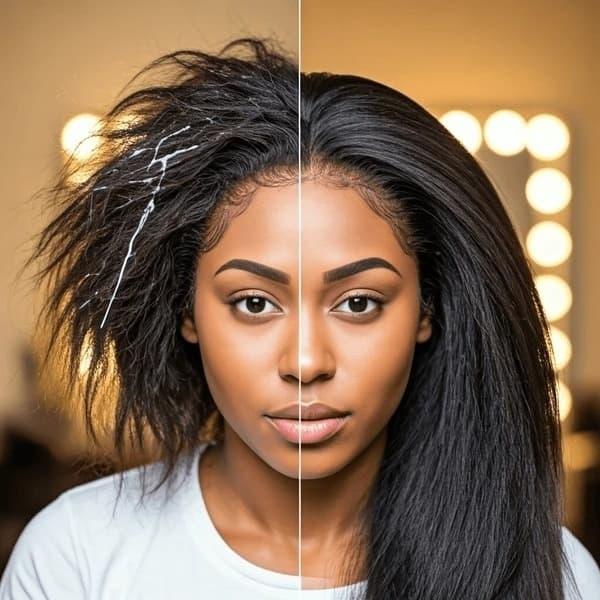
When documenting your process or writing a blog post about can you spray paint wigs, include clear step-by-step photos, time-lapsed progress, before-and-after shots, and product links (avoid brand over-saturation). Use headings like
Yes, can you spray paint wigs — but the important qualifier is "with the right spray." Choose products formulated for hair or wigs, prepare and test carefully, follow controlled layering techniques, and prioritize conditioning to avoid stiffness. For valuable wigs, complex color work, or permanent results, seek professional services.
Remember: the goal is color and movement. If the wig no longer moves naturally after application, you have likely used the wrong product or too much of it.
DIY spray projects can be inexpensive but carry risk; professional coloring costs more yet reduces risk to precious wigs. Factor in materials, time, and potential for having to replace a damaged piece when deciding.
Sprays can deliver highlights, lowlights, pastel shades, metallic sheens (with wig-safe products), and soft gradients. Layering translucent shades and using masking techniques yield sophisticated results useful to cosplayers and fashion stylists alike.
Approach any coloring project with testing and patience. When someone asks, "can you spray paint wigs?" provide the nuanced answer: yes, under the proper conditions and with the correct materials. Prioritize the wig’s longevity over a rush to finish. If you're ever uncertain, consult a wig technician or color professional.
Q: Will spray paint ruin a synthetic wig?
A: Standard hardware store spray paints will likely ruin a synthetic wig by stiffening or melting fibers; only use sprays formulated for wigs or hair.
Q: How long does spray color last on a wig?
A: It depends on the product: temporary hair sprays wash out after one or a few shampoos, while professional methods last longer but may require touch-ups.
Q: Can I heat-style a wig after spraying?
A: Only if the wig fiber is rated for heat styling and the spray product does not render the fiber brittle; always check product labels and test a small section first.
