Blonde hair conveys brightness, contrast, and a youthful glow. For many people, a blonde wig or light-toned unit can instantly change your perceived age, complexion, and style profile without the commitment or damage of chemical bleaching. Blonde hairpieces are useful for special events, cosplay, theatrical use, or daily wear. They can be subtle—like soft honey and beige highlights—or bold, such as platinum and ash shades. When used well, blonde wig wigs become versatile style tools, blending trend and convenience.
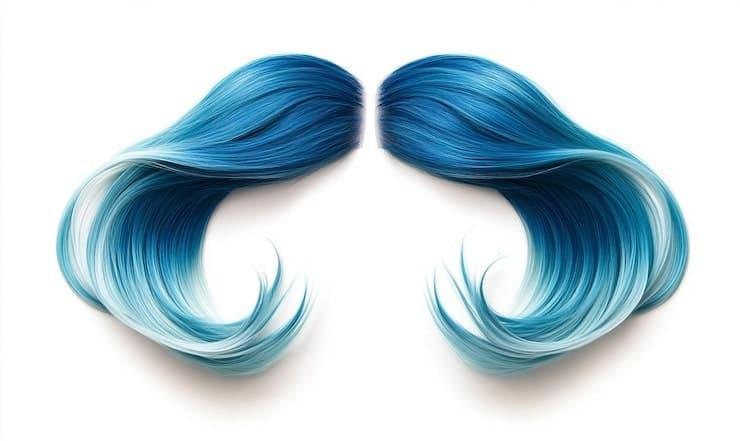 Lace front, full lace, monofilament, and machine-made caps each offer different levels of realism, comfort, and breathability. Lace front caps deliver a natural hairline, while full lace allows versatile parting and updos.
Choosing the right blonde is a blend of art and science. Consider these factors:
Different lengths and parting styles flatter different face shapes. Use these general rules as starting points:
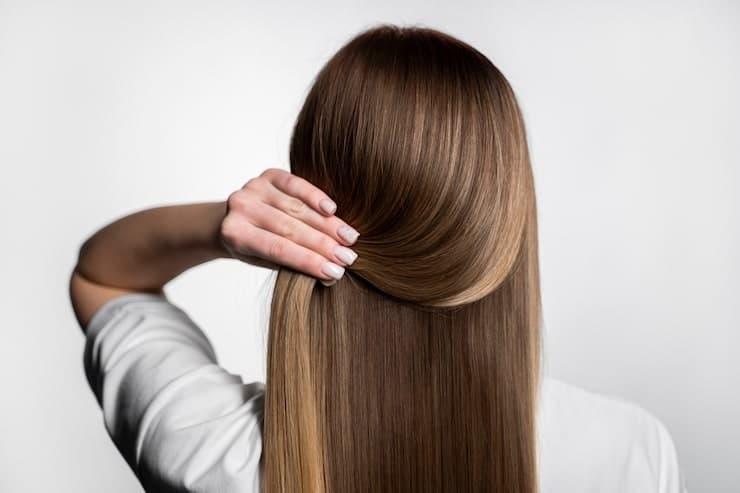
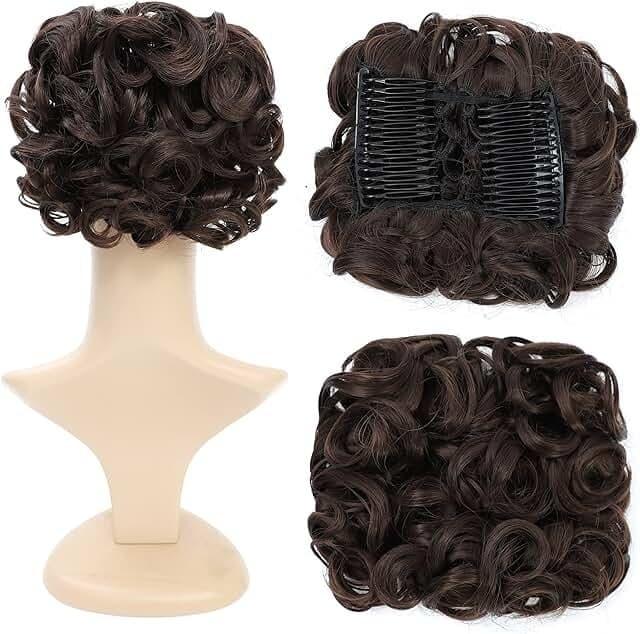 Soft waves and side-parted styles soften angles.
From weddings to daily wear, select a piece according to the event:
Styling can transform a good wig into an amazing one. Start with proper base care: wash with a sulfate-free, color-safe shampoo for human hair or a specialized synthetic wig cleanser for fibers. Use a wide-tooth comb to detangle from tips to roots. For heat styling, use a heat protectant and choose a mid-low temperature for synthetic heat-friendly fibers; human hair may tolerate higher heat but always err on the side of lower temperature to preserve lifespan. Layered cutting, face-framing pieces, and hand-tied parting all increase realism.
To avoid a flat, monotone look, ask your stylist or supplier for subtle highlights, baby lights, or lowlights incorporated into the unit. Ombre shading or root-smudging at the base yields a grown-in, modern effect that makes blonde wigs appear more natural under different light conditions.
Maintenance is the secret to long-lasting quality. Create a consistent routine:
Prepare a compact care kit that includes: a wig cap, a lightweight scarf for windy days, clips for secure attachment, a small spray bottle with a diluted leave-in conditioner, a mini brush, adhesive remover, and a travel-sized wig shampoo for refreshes. Rotate between two or more units if you wear wigs daily; this reduces wear and allows each piece to rest.
Proper installation affects comfort and realism. Lace front adhesives, tapes, and wig grips each have pros and cons. Tapes and medical-grade adhesives provide security for active lifestyles; wig grips and adjustable straps work well for quick daily use. Carefully clean skin and follow manufacturer directions when using adhesives. For high-activity situations, consider sewing in silicone strips or using professional installation for a longest-lasting hold.
Simple customizations make a big difference: trim the lace close to the hairline (by a professional), add hand-tied baby hairs, bleach knots subtly on lace front units to mimic a natural scalp, and slightly thin heavy wefts to match your natural density. A salon can also blend a wig seamlessly into your hairline using color-matching roots or micro-weft adjustments.
When buying online, choose sellers with clear, high-resolution photos, detailed color swatches, construction close-ups, and transparent return policies. Read user reviews for fit, density, and actual color accuracy. If possible, test a color sample or order a less expensive unit to trial a specific shade before investing in a custom human hair piece. Look for vendors who offer measurements for cap size and allow customization like knotted hairlines, pre-plucked parting, and root shading.
Demand for ethically sourced human hair has grown. Reputable suppliers disclose sourcing practices and may offer traceability. Consider synthetic options made from recycled fibers if you prefer a lower-impact choice. Also evaluate production quality—high-grade synthetic and ethically sourced human hair can both provide luxurious results without compromising values.
Invest in a few accessories: silk pillowcase to reduce friction and tangling, breathable wig caps for comfort, wig stands for storage, heat-protectant sprays, and cleansing foams for lace. Accessories extend life and improve daily comfort.
Price ranges vary widely: entry-level synthetics can be very affordable, mid-range human hair wigs offer good longevity, and fully custom, hand-tied human hair units are an investment. Factor in maintenance costs—professional styling, adhesives, and replacement when calculating true value. Often, the best long-term value is a mid-range human hair unit properly cared for, or a premium synthetic unit designed to hold its style with minimal upkeep.
Experiment with beach waves for a sun-kissed vibe, a sleek straight look for modern elegance, or soft curls for romantic events. Use root shading and subtle highlights to give depth. For dramatic change, try a balayage effect on human hair units or layered lightening on multiple synthetic pieces for a multi-dimensional style that photographs well.
Choosing the right blonde look involves matching color to skin tone, selecting the appropriate cap and fiber, maintaining the unit with a consistent care routine, and customizing where needed for maximum realism. Repeatedly using keywords like blonde wig wigs, blonde wig, and blonde wigs throughout product descriptions and care guides helps searchers find accurate information and retailers showcase expertise. Thoughtful selection and gentle care will keep your light-toned hairpiece luminous, comfortable, and natural-looking.
A: Choose human hair if you want heat styling, dyeing, and the most natural movement; choose synthetic for lower maintenance, consistent style memory, and lower upfront cost. Consider your lifestyle and willingness to perform upkeep when deciding.
A: Only if the synthetic fiber is labeled heat-friendly. Always test on a small section and use the lowest effective temperature while applying a thermal protectant designed for synthetic fibers.
A: Wash human hair wigs every 7–14 wears depending on oils and products; synthetic wigs every 8–12 wears, adjusting based on activity level and product buildup.
Incorporate these principles whether you are shopping for your first lighter-toned unit or refining a multi-piece wardrobe; thoughtful selection, regular maintenance, and careful styling keep your chosen blonde option looking modern, realistic, and beautiful.
