Many people ask if they can alter the hue of a wig using traditional hair dye. The short answer is: yes, sometimes—but it depends on the material, the type of dye, and the desired result. This guide explores how to safely change color on both human-hair and synthetic wigs and answers the question can you dye a wig with hair color in practical, step-by-step detail. We unpack pros and cons, necessary tools, preparation, exact processes, safety considerations, and aftercare so you can make an informed choice before committing to color changes.
First, identify what type of wig you have. Human-hair pieces accept conventional permanent and semi-permanent hair dyes because they are composed of cuticle-bearing hair that reacts to chemical and oxidative dyes. Synthetic wigs are typically made from fibers (like Kanekalon, Toyokalon, or heat-resistant blends) that do not absorb traditional hair dye molecules the way natural hair does. That means the method and expected outcome differ substantially. Understanding this distinction is the starting point for anyone searching for guidance on can you dye a wig with hair color.
Human wigs can be dyed similarly to natural hair, allowing for full-color changes, highlights, lowlights, toner work, and even balayage techniques when handled by an experienced colorist. Benefits include: realistic color blending, long-lasting results with permanent dyes, and the ability to lighten, darken, or tone. Limitations include potential damage from bleaching, color inconsistency if the hair is previously treated, and the need for professional-grade products and aftercare to maintain vibrancy.
Synthetic fibers are designed to be colorfast to many consumer products; they do not contain the proteins and porosity of natural hair to bond with oxidative dyes. Using standard developer and hair color on synthetic wigs usually results in no change or a sticky, damaged fiber. However, alternative methods—such as specially formulated fabric dyes for synthetics, spray-on color, or professional fiber dyes—can work if compatibility is confirmed. Always patch-test a hidden area first.

Preparation is critical to success. For human-hair wigs, gently wash with a clarifying shampoo to remove oils and product buildup. Do not condition before dyeing; instead, rinse thoroughly and gently towel-dry. For synthetic wigs, clean with a mild detergent designed for synthetics to remove dust and styling products. Always allow the wig to dry completely on a stand. Secure the wig on a stable stand to avoid slippage during the coloring process.
Perform a strand test on a hidden section or the end of the wig to preview the outcome and check for unwanted reactions. Choose a shade mindful of the starting level: you can darken easily, but lifting (going lighter) will require bleaching, which can stress the wig. When deciding whether can you dye a wig with hair color, this step confirms compatibility and sets realistic expectations.
Wear gloves and mix the professional color with the appropriate developer according to the product instructions. Work quickly and apply evenly from root to tip if you want a uniform tone. For highlights or dimension, use foils and a lighter formula or balayage technique. Avoid overlapping already-dyed hair repeatedly to minimize damage. Keep timing precise; over-processing can ruin the wig's texture.
Check the color development every few minutes. Rinse with cool water until water runs clear, then apply a color-safe conditioner. For permanent color, follow up with a professional gloss or toner if needed to neutralize brassiness. Gently blot the wig and let it air-dry on a wig stand. Style with heat tools only if the wig's hair quality permits.
Use sulfate-free, color-safe shampoos and deep conditioning masks to maintain moisture and vibrancy. Limit washing frequency, avoid prolonged sun exposure, and use UV protective sprays when outdoors. Touch-ups should be planned because roots will show as the wig is worn; professional re-coloring is recommended for complex tones.
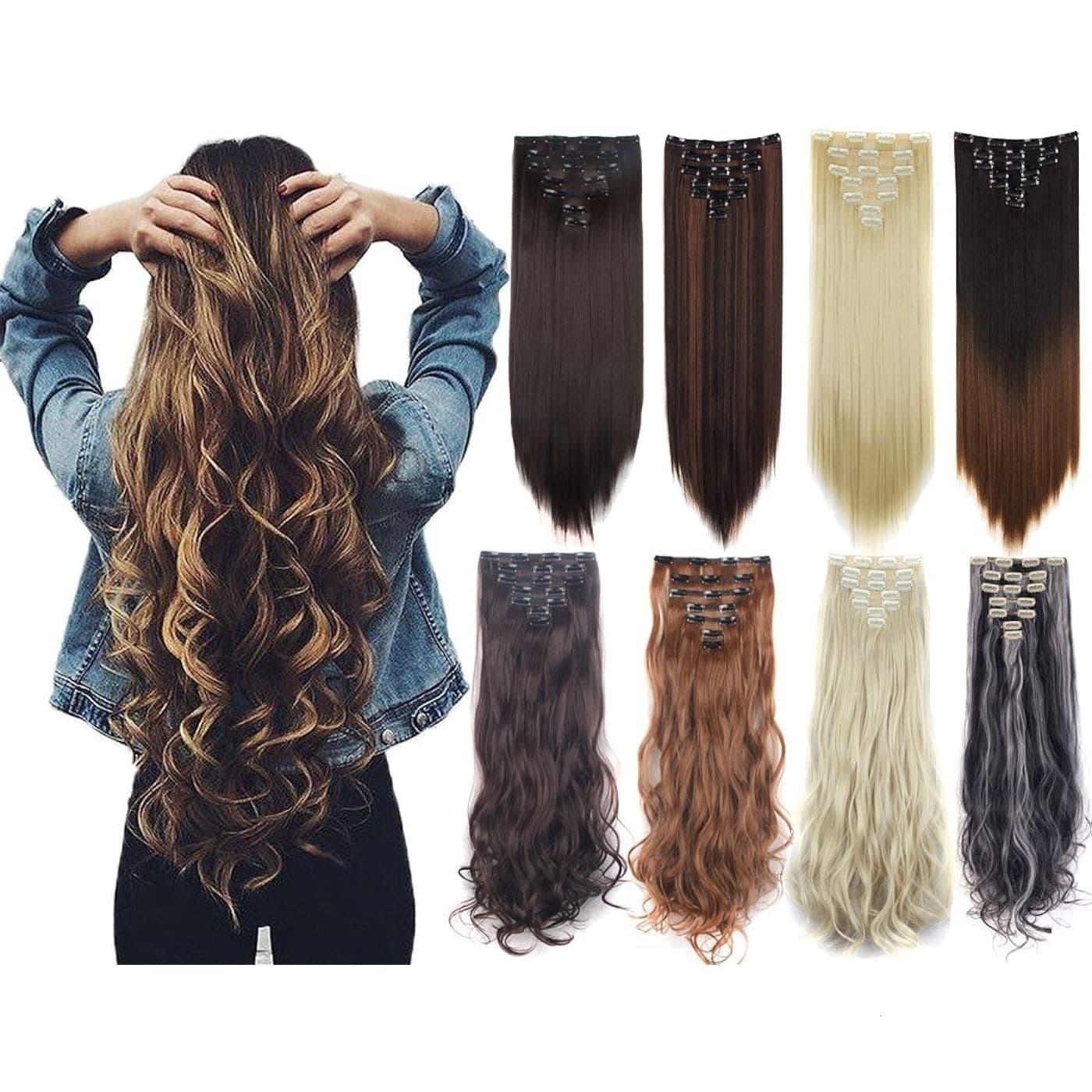
Temporary spray-on colors and hair chalks are the safest way to change a synthetic wig’s look without permanent commitment. These are applied after the wig is placed on a stand, sprayed evenly at a distance, and left to dry. They can be washed out and are ideal for events or costume changes.
Some synthetic-dedicated dyes (e.g., synthetic fiber dyes or Rit DyeMore) can color synthetic wigs if the fiber composition is compatible. Dilute the dye per instructions and submerge the entire wig, or apply selectively for ombre effects. Heat may be required to set the dye for some materials. Always test on a small section first, because results are less predictable than natural hair. If the question can you dye a wig with hair color refers to using household salon dye on synthetics, the answer is usually no; instead use these fiber-specific products.
If you want a permanent or highly customized synthetic color, consult a professional who specializes in wig fiber coloration. Professionals can match pigments, advise on colorfastness, and often reverse mistakes more safely than DIY attempts.
After dyeing synthetics, avoid excessive heat unless the fibers are heat-safe. Use gentle, sulfate-free detergents for maintenance, avoid brushing when wet (for many synthetics), and store on a stand to keep the style intact. When using spray colors, brush gently to remove residue and refresh with synthetic-specific conditioners to maintain softness.
If color turns too brassy or orange, use a blue or purple toner depending on the level to neutralize unwanted warmth. If synthetic dye patches unevenly, try re-dipping or using diluted approaches for smoother blending. If human hair becomes dry after processing, apply protein treatments followed by rich conditioners and consider scheduling color operations farther apart to allow the hair to recover.
For human-hair wigs, opt for professional-grade salon dyes for the most predictable outcomes. Consider demi-permanent dyes for lower commitment or to refresh color without strong oxidative processing. For synthetic wigs, research fiber-specific dyes and avoid household box dyes made for natural hair. Color swatches and referencing professional color charts can help you visualize the end result; always remember that underlying base color will affect the final shade—darker bases may need lifting before achieving pastel or pale tones.
To keep any dyed wig looking its best, follow a consistent maintenance routine: use cold water when washing, choose color-protecting products, avoid chlorine and saltwater, and schedule gentle refresh treatments or glosses to maintain shine and depth. Storage in a cool, dry place on a wig stand helps preserve fiber integrity and shape.
Dispose of chemical waste responsibly by following local guidelines. Wear gloves and eye protection when working with strong developers and bleaches. If you experience skin irritation, discontinue use immediately and consult a medical professional. Keep dyes away from children and pets.
Complex color transformations, drastic level changes (for example, dark brown to icy blonde), or repairs after a DIY mishap are prime reasons to consult a professional wig colorist. Experts can evaluate the wig’s construction, previous treatments, and recommend safe, effective coloring strategies to achieve your desired look without compromising durability.
To summarize the core takeaway: can you dye a wig with hair color depends on the wig material. Human-hair wigs generally accept standard hair colors and developers, while synthetic wigs usually require fiber-specific products, temporary sprays, or professional treatments. Always conduct strand tests, use proper protective equipment, and follow a thorough aftercare routine to maximize color success and longevity.
Label wigs after dyeing with color notes and dates, rotate use to reduce wear, and avoid over-styling with heat. Keep a color correction kit or a professional contact for emergencies. Small routine steps save significant restoration costs and extend the life of the wig dramatically.
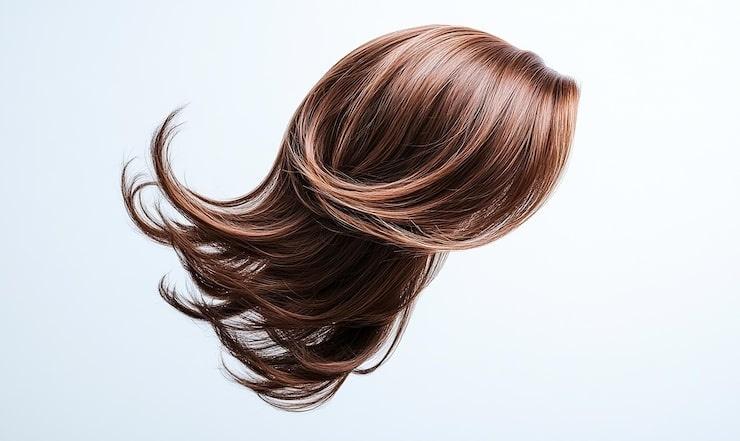
Box dyes can be used on human-hair wigs, but professional salon products often yield more predictable and gentler results. Strand-testing and cautious application are essential.

Lightening synthetics is difficult and risky with standard bleaching agents. Use fiber-specific dyes or replace the wig if a lighter base is required; consult a professional before any aggressive steps.
Condition colored human-hair wigs every 2–4 washes and use a deep treatment monthly, depending on wear frequency. Synthetic wigs benefit from occasional synthetic conditioners to maintain softness.
Dyeing low-cost wigs can be economical for a temporary look, but be mindful of fiber quality. Investing in a higher-quality base improves final results and longevity after dyeing.
