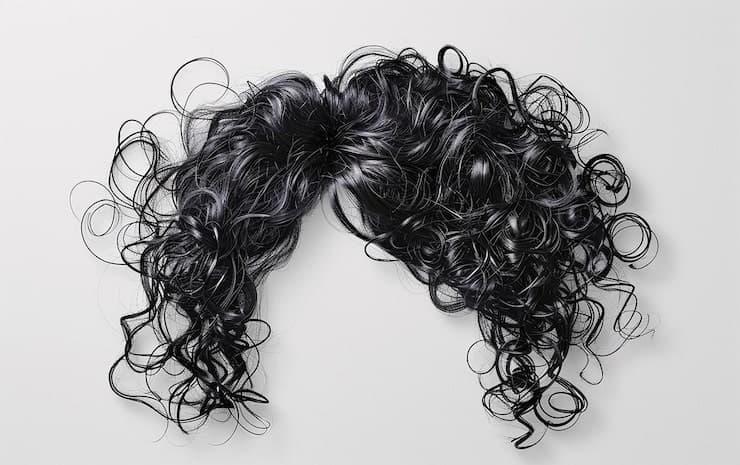
How to care for a wig human hair: an expert roadmap for washing, styling and storing
This comprehensive, practical guide explains in depth how to care for a wig human hair so your investment lasts longer, looks natural and behaves predictably during wear. Whether you own a full lace wig, a lace front or a machine-tied wig, the same fundamental principles apply: gentle cleansing, proper conditioning, heat-safe styling, secure storage and timely maintenance. This article covers everyday routine care, intensive washing protocols, professional styling tips and storage strategies to keep the hair soft, shiny and tangle-free.
Why proper care matters
Human hair wigs are prized for their realistic movement, texture and styling versatility, but they require more attention than synthetic alternatives. Understanding how to care for a wig human hair prevents premature dryness, split ends, shedding and tangling. A well-maintained wig preserves color vibrancy, reduces the need for restorative services and maintains a natural hairline and density.
Key principles before you begin
- Gentleness — Treat the fibers like natural hair: avoid aggressive rubbing, over-brushing or harsh chemicals.
- Appropriate products — Use sulfate-free shampoos, lightweight conditioners and leave-in formulations designed for human hair. Avoid alcohol-heavy styling products.
- Heat awareness — Human hair wigs can be styled with heat, but use temperature control and heat protectants to minimize damage.
- Storage and protection — When not worn, store on a stand or in a breathable container to preserve shape and prevent friction.
Daily and between-wear maintenance
Daily maintenance is brief but critical. Here are fast routines that protect your wig between wears and vastly extend its lifespan:
- Gently detangle from ends to base with a wide-tooth comb or a wig-specific brush after each use.
- Limit contact with oils: avoid heavy scalp oils or saturated face creams at the hairline; use a dry shampoo or light powder on the cap if needed.
- Loosen styling products: use a light leave-in conditioner or a mist formulated for human hair to refresh texture and reduce static.
- Air the wig by placing it on a stand after wearing to allow moisture and body oils to evaporate naturally.

Professional-grade washing routine
Proper washing is one of the most important rituals when you learn how to care for a wig human hair. Follow these steps for a salon-like cleanse:
- Frequency: Wash every 7–14 wears or when product build-up or odor appears. Over-washing can strip moisture.
- Preparation: Detangle fully on a wig stand using a wide-tooth comb. Use clips to manage layers.
- Water temperature: Use lukewarm water—hot water opens cuticles and increases frizz and shedding.
- Shampoo: Apply a small amount of sulfate-free, moisturizing shampoo. Work in gentle, downward motions from crown to tips. Do not rub or twist.
- Rinse: Rinse thoroughly under a gentle stream until water runs clear.
- Second cleanse (optional): For heavy product or styling residue, a second mild shampoo pass may be useful.
- Condition: Apply a hydrating conditioner mid-length to ends, avoiding the base of the cap to prevent slippage. Let sit 3–10 minutes then detangle with fingers or a wide-tooth comb.
- Final rinse: Rinse with cool water to close the cuticle, promoting smoothness and shine.
- Blot: Blot excess water with a microfiber towel—never wring or twist the hair.
Deep conditioning and masks
For older or chemically processed wigs, use a deep-conditioning mask every 3–6 washes. Apply a protein-balanced mask if the hair feels mushy or frizzy, and use a moisture-rich mask if the hair is dry and brittle. Follow product instructions and always detangle before heating treatments.
Drying methods
Proper drying preserves the hair’s cuticle and reduces tangling. Recommended approaches:
- Air dry on a wig stand for the most gentle results. Reshape with fingers and leave until completely dry.
- For faster drying, use a blow dryer on cool or low heat and low airflow. Keep the dryer 10–12 inches away and move constantly.
- Use a heat protectant if applying any direct heat. Minimize the number of high-temperature passes.
Detangling and brushing
Brush carefully and only when hair is dry or lightly damp. Start at the ends and work upward. Use brushes designed for wigs or wide-tooth combs. Avoid brushes with tightly-packed bristles which can cause shedding and damage the cap foundation. When detangling knots near the lace or cap, use your fingertips and apply a small amount of detangling mist to ease the process.
Styling like a pro
One of the big advantages of human hair wigs is styling versatility. To style without compromising longevity, follow these professional tips:
- Use heat tools with adjustable temperature settings; keep below 350°F (177°C) for fine or chemically treated hair.
- Always apply a heat protectant; spray evenly and allow it to penetrate briefly before heat styling.
- For curls, use larger barrel sizes when possible—tight curling rods increase stress and create more friction.
- When using hot tools, make one or two controlled passes instead of repeated strokes.
- Opt for non-damaging methods like pin curls, foam rollers or overnight braids to create waves without heat.
- Avoid backcombing at the crown near the lace to minimize tangling and exposed knots.
Coloring and chemical services
If you plan to color or chemically alter a wig, consult a stylist experienced with wig hair. Key considerations:
- Human hair wigs react like natural hair and may need pre-conditioning before color to ensure even uptake.
- Bleaching is especially damaging—only perform in controlled salon conditions with bond-rebuilding treatments.
- Consider semi-permanent dyes for subtle changes; these deposit pigments without lifting base color.
- After any chemical service, schedule deep-conditioning treatments and reduce heat styling frequency.
Repair and professional maintenance
When a wig begins to show wear—thinning, excessive shedding, or frizz—seek professional maintenance. Services include ventilating (knot repair), re-lace, re-bonding wefts and trimming split ends. Regular professional upkeep every 6–12 months can restore shape and extend usable life.
Storage and travel best practices
How you store and transport your wig affects its shape and longevity. Best storage methods include:
- Use a tall wig stand or a mannequin head to preserve the cap shape and facilitate air circulation.
- For travel, place the wig on a travel-friendly foam head or fold carefully into a breathable bag with padding to prevent crushing.
- Use silk or satin bags to reduce friction when storing; avoid plastic which traps moisture and encourages mildew.
- Keep wigs away from direct sunlight and humid environments which fade color and weaken fiber integrity over time.
Securing and wearing tips
To ensure a comfortable, natural fit while minimizing tugging and stress on the hairline:
- Use adjustable straps, wig grips or tape to secure the wig instead of over-tightening straps which alters cap tension and shape.
- Apply adhesives carefully along the perimeter—clean the lace with recommended solvents and allow adhesives to breathe and be replaced regularly.
- Protect the base by wearing a wig cap to absorb sweat and oils, prolonging time between washes for the wig itself.
Troubleshooting common issues
Excess shedding: Light shedding is normal; heavy shedding may indicate weakened wefts or improper washing. Detangle before washing and avoid vigorous massaging near the roots.
Tangles and matting: Prevent by keeping ends conditioned, avoiding excessive product build-up and using regular detangling mists. For severe matting, consult a wig technician.
Dullness and dryness: Restore shine with moisturizing masks, leave-in conditioners and occasional oil serums applied lightly to mid-shaft and ends—avoid the cap area.
Frizz: Use smoothing serums for human hair wigs and finish styles with a light mist of anti-frizz spray. Avoid silicone-heavy serums that attract dirt and require more frequent washes.
Recommended product categories
Choose products labeled for human hair extensions or wigs. Key categories include:
- Sulfate-free, color-safe shampoo
- Hydrating conditioner and weekly deep masks
- Leave-in detanglers and lightweight serums
- Heat protectant sprays with film-forming agents
- Wide-tooth comb, wig brush and breathable storage bag
Maintenance schedule and checklist
Adopt a simple schedule so care becomes habitual:
- Daily: light detangle, air on stand, apply refresh mist if needed.
- Weekly: gentle cleanse if worn daily; otherwise, cleanse every 7–14 wears.
- Monthly: deep condition or mask if you style with heat or use many products.
- Every 6–12 months: professional inspection for re-lace, knot repair or weft tightening.
Special considerations for longevity
To maximize lifespan, minimize mechanical stress and chemical exposure. Rotate between two wigs if you wear them daily so each wig gets rest and recovery time. Label wigs with color and style notes if you have multiple similar pieces—this reduces unnecessary styling trials that wear the hair.
How to spot quality and when to replace
High-quality human hair wigs can last months to years with proper care. Replace the wig when:
- Density loss is significant and cannot be restored by styling.
- The lace or cap deteriorates beyond repair.
- The hair has become excessively porous, frizzy and resistant to conditioning treatments.
Environmental and lifestyle tips
Protect wigs from chlorinated and salt water unless pre-treated with barrier products. Avoid sleeping in a wig to reduce friction and tangling; if you must sleep in it, braid gently and use a silk pillowcase. When exercising, use a sweat-absorbing wig cap and cleanse after intense workouts.
Key takeaways
To summarize the essential elements of how to care for a wig human hair: be gentle, pick the right products, protect from heat and chemicals, detangle methodically, and store correctly. Regular maintenance and professional check-ups transform a good wig into a great, long-lasting one.
Advanced professional tips
Consider the following expert techniques: use steam-based styling to set shapes without extreme heat, apply bond-rebuilding treatments after any chemical service, and invest in hand-tied caps for better parting and longevity. When customizing, work with a certified wig stylist to ventilate and thin the hairline for the most natural appearance.
FAQs
- How often should I wash a human hair wig?
- Wash roughly every 7–14 wears, or sooner if you use heavy styling products or the wig accumulates oil or odor.
- Can I use regular hair products on my wig?
- Use products formulated for human hair extensions or wigs; avoid sulfates and products with high alcohol content that dry and weaken fibers.
- Is heat styling safe?
- Yes, with temperature control and a quality heat protectant. Keep heat moderate and limit repeated passes.
- How should I store my wig long-term?
- Store on a tall stand to maintain shape; use breathable bags and keep away from humidity and direct sunlight.