Mastering the Look: Practical Guide to Lasting Wig Styling
If you want a dependable, camera-ready appearance for conventions, photoshoots, or theatre, knowing how to style anime wigs is essential. This comprehensive resource covers tools, materials, step-by-step techniques, and pro tips that keep your wig looking fresh all day. Whether you're new to synthetic fibers or an experienced cosplayer refining a signature silhouette, this guide prioritizes longevity, heat safety, and salon-level finishes—without requiring professional training.
Why specific techniques matter
Styling a character-ready wig differs from everyday hairstyling because of density, fiber type, and construction. Learning how to style anime wigs helps you avoid common pitfalls like frizz, melted fibers, and sagging wefts. Proper preparation, fiber-appropriate tools, and finishing strategies allow dramatic shapes—spikes, gravity-defying tails, sculpted bangs—that last under lights and through hours of wear.
Quick overview: tools and products you’ll want
- Heat tools: Adjustable low-temp flat iron and curling iron rated for synthetic or heat-resistant fiber. (Always test on a hidden strand.)
- Steam source: Garment steamer or pot steam for safe reshaping.
- Styling aids: Wig-grade hair wax, fiber-friendly glue or gel, clear tacky glue, Got2b Glued-style stronghold gel or a water-based fiber-friendly alternative.
- Finishing spray: High-hold, low-residue hairspray formulated for wigs or a professional wig spray to avoid sticky buildup.
- Tools: Wide-tooth comb, teasing comb, metal tail comb, rat-tail comb, duckbill clips, wig stand or foam head, sewing needle and thread for weft reinforcement.
- Accessories: Wig caps, bobby pins, wig tape, elastic wig grip for secure wear.
Essential prep steps before styling
Good results start with preparation. Practice these before attempting a complex build:
1) Place the wig on a foam head and secure with T-pins at the nape and sides to prevent shifting.
2) Detangle from tips to roots with a wide-tooth comb; synthetic fibers resist breakage when handled gently.
3) Identify the fiber type—heat-safe synthetic vs. low-temp—then set your iron or steamer accordingly. Always test on a small hidden portion to avoid accidental damage.
4) Apply a thin layer of detangler or light wig serum to smooth strands and reduce static.
Ten easy techniques to elevate and secure a style
- Block and anchor as your base: Use a wig block or foam head to build everything on a stable form. Anchor with T-pins and adjust the cap so bangs and hairline fall in the right place for your face shape. Anchoring prevents later slippage that ruins symmetry.
- Cut and thin carefully: Start with slightly longer than required. Use texturizing shears for gradual thinning; point-cut bangs to avoid blunt, unnatural edges. When editing wefts, always fold the edge slightly and stitch to prevent unraveling.
- Layer to create silhouette: Anime looks often rely on dramatic layers. Remove bulk at the inner cap and create outward-facing layers with a flat iron and slight back-combing for volume that holds.
- Spike and sculpt with gel and glue: For gravity-defying spikes, apply a thin bead of fiber-friendly glue at the root, shape the spike with a tail comb, then set with a blow dryer on low or a hairdryer on a cool setting. Finish with stronghold spray. Repeat layering small amounts to build height without making the fiber stiff-looking.
- Use heat safely: For heat-resistant synthetics, set an adjustable flat iron to manufacturer-recommended temperatures (commonly 250–300°F / 120–150°C), use a comb between iron and fiber, and isolate small sections. For non-heat fibers, rely on steam shaping and pins only.
- Steam shaping for soft reshapes: Direct steam from a garment steamer while shaping with gloved hands. Use silicone curlers or rolled paper to set tails and waves. Steam works well for smoothing frizz and softening kinks without risking melt from direct heat.
- Sew-in reinforcement: For high-tension areas like ponytails or buns, sew an additional weft strip or anchor a small strip of elastic to the inside cap. This spreads weight and prevents weft strain that can distort the wig's shape during long wear.
- Conceal adhesives and edges: Clean hairline finishes by trimming lace (for lace-front wigs) and applying wig glue/tape with care. Use a thin, invisible strip of makeup along the part to match your skin tone and create a realistic scalp illusion.
- Strategic backcombing and padding: For volume and shape retention, backcomb at the base of tails or crowns, then smooth the outer layer with a flat iron or brush. For extreme shapes, add foam or lightweight padding inside the wig and cover with the hair to maintain form.
- Finishing and touch-up techniques: Once your silhouette is achieved, mist with a firm-hold wig spray and let it set on the block or mannequin. For travel, wrap the wig gently around a core and store in a protective bag to prevent crushing; re-fluff and retouch spikes with a small pin and glue touch-ups if necessary.
Pro tips for longevity and comfort
Comfort matters as much as looks. A poorly balanced wig shifts and loses style. Use these pro-level considerations:
- Fit the cap snugly with adjustable straps and a wig grip; a secure base reduces friction and preserves style.
- Balance weight: heavy buns or ponytails should be anchored to an inner silicone band and sewn to the cap, not simply pinned.
- Rotate products: alternate heavy glues and light sprays to avoid brittle buildup on fibers.
- Retouch only small areas when required; constant reapplication of adhesives will degrade fiber quality over time.
Common styling challenges and solutions
Frizz and flyaways
Lightly mist a fiber-safe smoothing spray and run a paddle brush through with downward strokes. For stubborn flyaways, apply a tiny amount of wax on fingertips and smooth.
Collapsed spikes
Rebuild by softening the spike base with steam, reapplying a thin glue line at the root, and reshaping; finish with stronghold spray.
Flattened crown
Add internal padding or a second layer of wig cap material to raise the crown subtly; then smooth the outer fiber with a low-temperature iron if heat-safe.
Styling different anime archetypes
Each character aesthetic requires tailored approaches:
- Shonen heroes often need thick, upward spikes—use sparse internal supports and layered glue build-up combined with a firm spray finish.
- Magical girl looks emphasize soft, bouncy tails and defined curls—steam-set these with rollers and avoid hard gels.
- Villain or stoic characters may use long, sleek fibers—use straightening and anti-frizz products and seal cut ends with a minute heat pass if fiber allows.
Maintenance routines after wear
After each wear, gently brush from tips to roots, soak in cool water with wig shampoo if dirty, rinse, and air dry on a stand. Store on a foam head for long-term display or in breathable bags to prevent dust accumulation. Deep-condition heat-safe wigs periodically with a specialized conditioner to restore fiber flexibility.
Shopping and fiber considerations
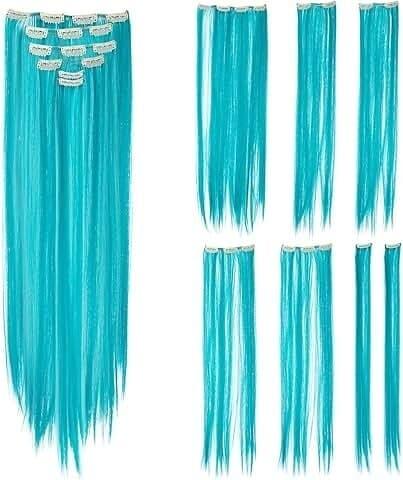
When purchasing, verify whether the wig is heat-resistant. Mix synthetic fibers can offer realistic sheen but differ in styling response. Human hair wigs provide maximal heat styling freedom but require salon-grade care. Prioritize a cap that aligns with your comfort needs: lace front for realistic hairlines, monofilament parting for natural part movement, or basic caps for budget builds.
Step-by-step example: Creating a gravity-defying ponytail
- Secure the wig to a block and mark where the natural hairline will be.
2) Create internal support by sewing a lightweight foam core to the cap where the pony will sit.
3) Divide hair into sections and lightly tease the base to give the hair something to grip.
4) Apply a thin strip of glue along the root line and press the ponytail into position.
5) Reinforce by sewing the ponytail weft into the cap and covering stitches with outer fiber.
6) Shape the tail with heat or steam, depending on fiber type, and finish with high-hold spray.
When demonstrating how to style anime wigs, visual testing on a mannequin head helps refine proportions and balance. Record the process with photos for reference and to reproduce the style consistently.
Safety checklist
- Always perform a heat test on a hidden strand. Do not exceed manufacturer temperature recommendations.
- Ventilate the workspace when using adhesives and sprays. Use gloves when applying strong glue and keep acetone away from synthetic fibers.
- Avoid flame and open heat sources near synthetic wigs; they can melt or ignite at high temperatures.
SEO-friendly considerations when sharing your tutorial
When publishing your own step-by-step articles and videos about how to style anime wigs, use descriptive headings, include the keyword in an H2 or H3, and place variations like "anime wig styling tips" and "long-lasting wig techniques" in subheadings. Use image alt text that describes the step (e.g., "teasing crown for anime wig support") and caption photos with clear process descriptions. Structured data for tutorials and FAQ markup will help search engines showcase your content prominently.
Checklist: quick reference
- Wig stand and T-pins
- Heat tools rated for fiber type
- Stronghold glue and wig spray
- Needle and thread for weft reinforcement

- Foam padding for extreme shapes
Mastering how to style anime wigs combines careful prep, appropriate tools, and patience. Start simple, practice techniques like spike building, steam shaping, and weft reinforcement, and you'll develop the muscle memory to create complex silhouettes quickly. Keep a small repair kit on hand at events for glue, pins, and a mini-spray to handle emergencies—this small investment protects hours of styling work.
Bonus pro workflow
When preparing for a long day, style the wig the day before and store it on a block in a cool, dry room. On the day, secure the wig with an elastic wig grip and perform a quick touch-up with a travel-size glue pen and tiny hairspray. Re-tighten any sewing anchors if you notice stress points after a practice wear.
FAQ
- Q: Can I use a regular flat iron on synthetic wigs?
- A: Only if the wig is labeled heat-resistant. Always test a small hidden section and use the lowest effective temperature. For non-heat fibers, use steam or no-heat methods.
- Q: How do I make spikes last through a convention?
- A: Build spikes in layers using fiber glue at the root, shape them with a comb, dry carefully, and finish with high-hold wig spray. Reinforce with thin internal supports if necessary.
- Q: What’s the best way to clean a styled wig without losing the shape?
- A: Spot clean when possible. For full washing, remove any glued parts you can, hand wash gently in cool water with wig shampoo, reshape on a block, and use steam to re-establish the original set. Avoid vigorous rubbing.
By combining these techniques—anchoring, layering, fiber-appropriate heat, glue usage, and strategic finishing—you’ll know how to style anime wigs that look accurate, feel comfortable, and survive a full day under lights and crowds. Practice, patience, and the right gear are the keys to a flawless, long-lasting finish.
