Many people who encounter step-dancing for the first time ask a straightforward question: why do irish dancers wear wigs? The short answer begins with aesthetics and tradition, but to fully appreciate the practice you need to consider performance standards, historical evolution, styling techniques and competition regulations that shape modern choices. This article explores the cultural context, the visual logic behind hairpieces, the technical styling processes, and how judging criteria influence which hair solutions are used. Along the way we will refer to common terms — wigs, curly sets, bun hairpieces, and accessories — and explain how each ties into identity, practicality and fairness.
From the late 19th and early 20th centuries, Irish social dances transitioned into performance art and competitive sport. As stage lighting grew brighter and audiences expanded, a standardized visual presentation became important. Hair, like costume, is a visible component of identity: it signals cultural continuity and unifies a team. Many teachers and schools adopted a polished look that emphasized strong lines and traditional shaping. Wigs and structured hairpieces offered a reliable way to achieve consistent silhouettes across age groups and troupes. When asking why do irish dancers wear wigs, consider that one answer lies in the desire for a timeless, recognisable silhouette that reads clearly from the audience and satisfies judges’ expectations.
Practicality plays a large role. Natural hair, even when heavily styled, can loosen under hot lights, sweat and hours of rehearsal. Professional wigs and hairpieces are engineered to stay in place, hold curls, and maintain volume for a whole competition day. They save time for dancers who need consistent looks across multiple events and provide a secure base for fast head movements. Wigs also protect fragile natural hair from repeated heat styling and products, offering a restorative advantage over daily curling and spraying.
Each option addresses different priorities: full wigs for extreme uniformity and quick changes, clip-ins for customization and lightness, and bun pieces for a tidy arena-ready finish. The variety also reflects socioeconomic and stylistic differences among schools and regions.
In the competitive scene, the hairstyle functions as visual punctuation. A voluminous, carefully arranged mass of curls frames the face and enhances the motion of head and shoulders during set dances and reels. Judges look for confident presentation; hair that enhances lines without distracting from footwork is ideal. For this reason, many choreographers and teachers opt for styles that project strength: tight curls, high crowns, and neat edges. When asking why do irish dancers wear wigs, remember that wigs are both utility and visual device — they amplify expression and uniformity in performance contexts.
Governing bodies and organizations often include specific guidance for presentation. While rules differ by region and by federation, common guidelines govern what is acceptable in terms of hair length, color, and ornamentation. Judges typically evaluate costume and grooming only to the extent that it affects overall presentation, but nonconformity (such as excessively loose hair that obscures lines) can be marked down. That is why many schools adopt a standard wig: it eliminates ambiguity and reduces the risk of penalties related to inconsistent presentation.
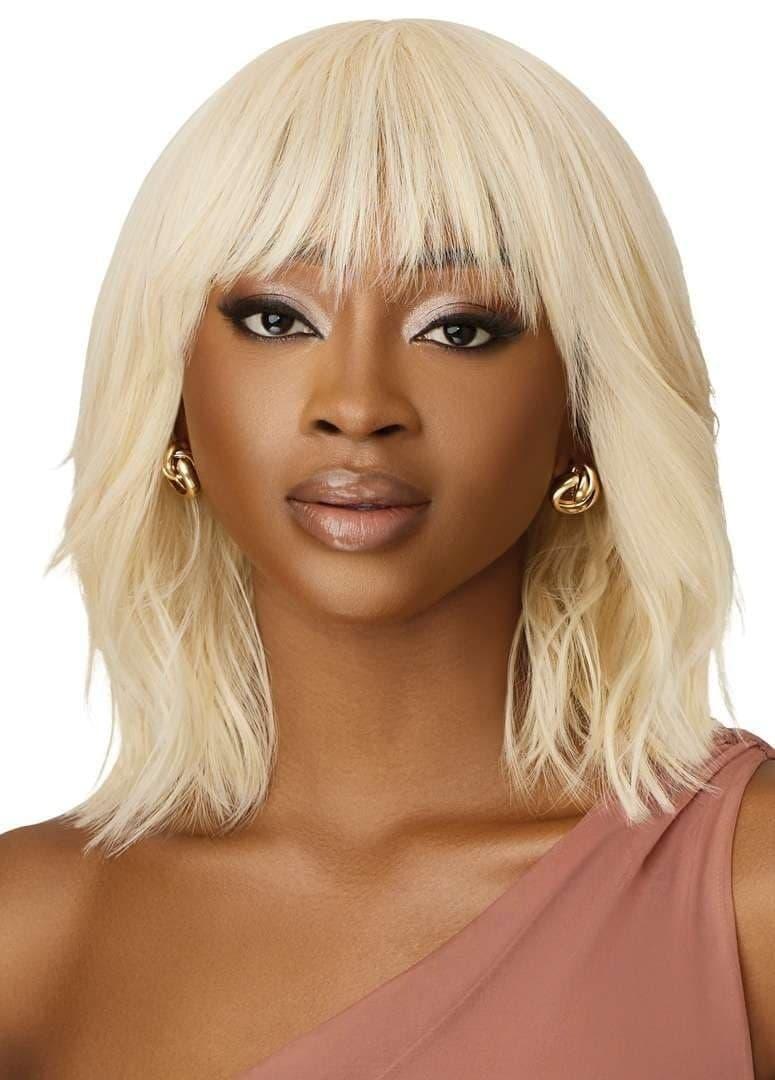
Proper application is a craft. Wigs are typically fitted over braided or slicked-back natural hair to create a smooth base. Adhesives, wig caps and strategically placed bobby pins secure the piece. Styling products designed for wigs — flexible sprays, foam curlers, and light serums — maintain the shape without making curls stiff or unnatural. After performances, careful cleaning and storage preserve the piece for repeated use. Many competitive dancers treat wigs as investment items, rotating them to reduce wear and extend life.

Across Ireland and the broader Irish dance world, styles vary. Some schools favor ultra-curly, voluminous looks while others emphasize sleeker silhouettes. Regional competitions may reflect local tastes: urban centers sometimes lean toward theatrical volume, whereas community festivals may prefer understated, natural styles. The choice of hairpiece therefore communicates belonging to a particular school or tradition, and this visual vocabulary evolves with fashion cycles, materials availability and pedagogical preferences.
Wigs range from affordable synthetics to bespoke human-hair pieces costing several hundred dollars. For young dancers, cost can be a barrier. Many teachers and regional organizations offer rental programs, shared resources or second-hand exchanges to improve accessibility. Understanding the economics helps explain why some schools maintain stringent uniform policies — pooled resources and shared standards lower the cost burden on families.
Not everyone agrees that wigs are essential. A growing number of dancers and choreographers question whether standardized hairpieces always serve the art form. Some argue for more natural looks that celebrate individual hair textures and cultural diversity. Others point out that wigs, while unifying, can erase personal identity. These debates are part of a broader conversation about tradition and innovation in Irish dance, and they influence how teachers instruct future generations.
If you are a parent or a dancer deciding whether to invest in a wig, consider the following points: assess competition expectations in your region, consult with your dance school about uniform policies, evaluate the frequency of performances (high frequency makes a wig practical), and explore rental or shared options to manage costs. Proper fitting workshops and peer demonstrations can also reduce anxiety about using hairpieces for the first time.
Audiences respond to a polished, confident presentation; judges look for clarity of line and consistency. When hair is well-managed — whether natural or a hairpiece — it enhances the visual rhythm of footwork and body movement. Conversely, poorly secured hair that shifts during a set can distract viewers and potentially impact scores. This reality helps explain why many dance educators emphasize a stage-ready, durable hair solution.
Good communication with instructors is essential. Ask about recommended hairpieces, application techniques, and whether a particular style is standard for solo versus team events. Many teachers maintain a list of trusted suppliers and can offer hands-on guidance during rehearsals to ensure a secure fit for competition day.
The practice of wearing hairpieces in Irish dance is both a preservation of historical visual codes and a pragmatic response to modern performance demands. As materials and tastes evolve, so do the ways dancers present themselves. New synthetic fibers mimic authentic textures at lower costs, and eco-conscious options are emerging. At the same time, schools and federations continue to negotiate the balance between traditional aesthetics and personal expression.
When you return to the question why do irish dancers wear wigs, a multifaceted answer is clear: wigs provide consistency, durability and a recognized silhouette that supports adjudication and audience perception; they help protect natural hair; they can be an economic investment or a shared resource; and they play a role in the cultural language of the dance. Understanding these factors helps spectators, parents and new dancers appreciate why hairpieces remain a common and sometimes contested feature of contemporary Irish dance.
For those who want to learn more, seek out federation rulebooks, teacher guides, and community forums where dancers share tips on fitting and maintaining hairpieces. Practical workshops, videos, and local costume coordinators are excellent resources for hands-on learning.