The public fascination with high-profile criminal cases often extends to small but visible details: clothing, demeanour, and hair. One recurring question among observers of the Menendez brothers' saga has been why did lyle menendez wear a wig? This article explores that question from multiple angles: courtroom context, prison photographs, possible medical or cosmetic reasons, legal and forensic insights, and media interpretation. Readers will find a layered, evidence‑based discussion designed to provide clarity while avoiding sensationalism.
Before diving into specifics, it's helpful to outline what this piece covers. We will not simply repeat tabloid assertions. Instead, we will parse public records, trial transcripts, expert commentary, and visible photographic evidence to build a reasoned explanation for why observers noticed changes in Lyle Menendez's hair and why wig use might have been a factor. The phrase why did lyle menendez wear a wig will appear throughout this analysis so that searchers looking for context find a comprehensive, measured response.
A defendant's physical presentation can influence public perception and, in some cases, courtroom impressions. Hair and grooming choices become proxies for narrative: signs of remorse, attempts at normalization, or efforts to mask identity. The question why did lyle menendez wear a wig taps into these broader concerns: was it a cosmetic choice, a medical necessity, or a strategic decision? We assess each possibility below.
The Menendez brothers' trials and subsequent media coverage produced a long visual record: courtroom photos, family snapshots, and later prison images. Photographs published in news outlets and legal documents show shifts in hairstyle and facial hair over the decades. Observers comparing early trial images to later incarceration images noticed that Lyle's hair sometimes appeared fuller or differently styled, prompting speculation and curiosity about whether a wig or hairpiece was involved.
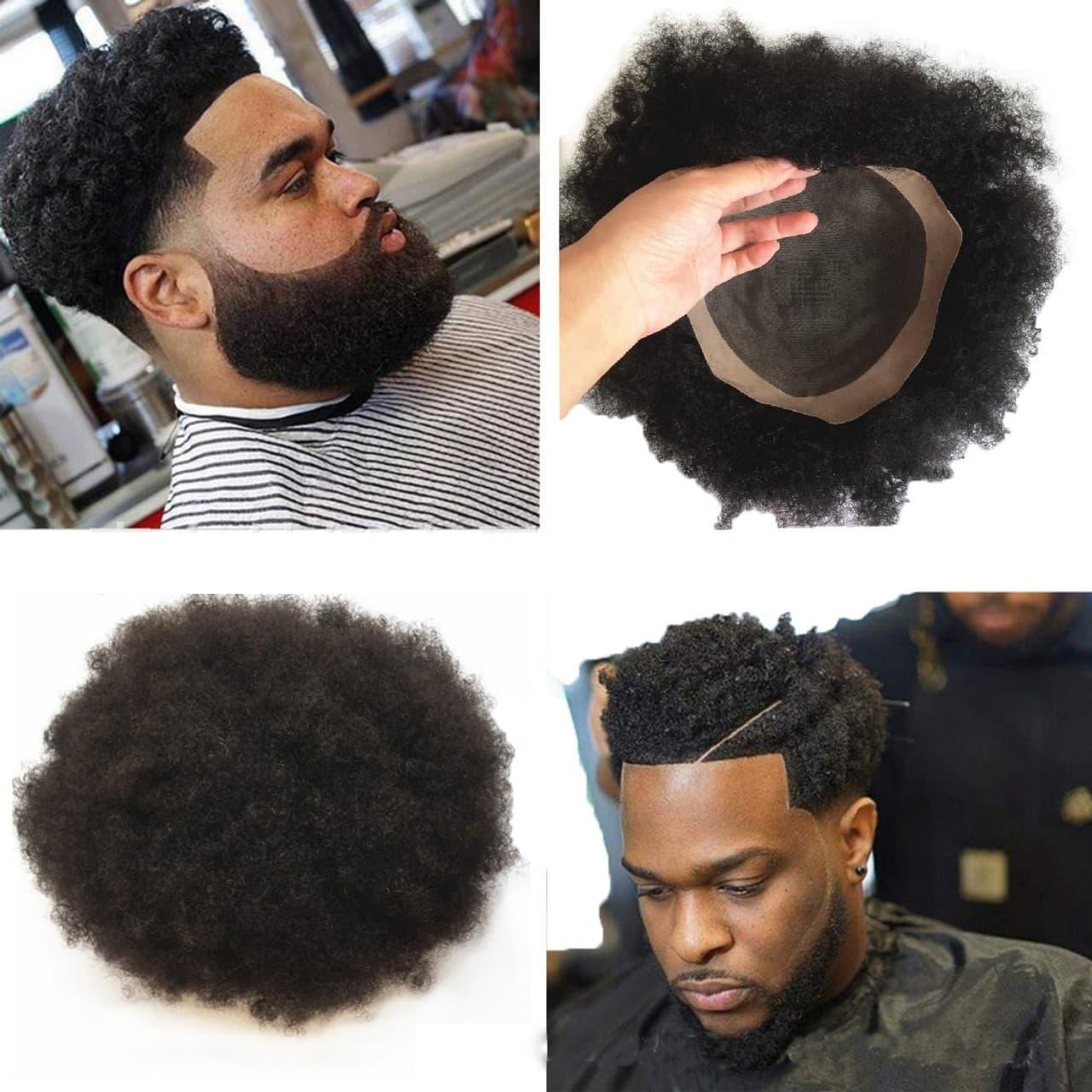
One obvious category is medical: hair loss can be caused by aging, stress, medical treatments, or dermatological conditions. Incarceration environments also bring unique stressors and limited control over grooming resources. Hairpieces and wigs can be used to address alopecia, scarring, or other scalp conditions. Medical hair loss can be partial, diffuse, or patterned, and the visual effect of a wig can make a person look younger or more 'normal' when compared to thinning hair.
None of the publicly available records explicitly confirm a medical diagnosis for Lyle Menendez's hair, but the above conditions offer plausible, non-strategic reasons someone might opt for a wig or hairpiece over time.
There are several non-medical motivations that could explain a decision to wear a wig. In high-profile trials, defendants and their teams often think carefully about the visual message they send to jurors, media and the public. Wigs can be used to:
From a legal standpoint, attorneys sometimes advise clients on grooming to present an image that aligns with legal strategy. That raises the question: if Lyle chose to wear a wig during trial proceedings or high-visibility visits, was this part of advice about courtroom demeanor? While no official trial documentation confirms grooming instructions, the public debate over why did lyle menendez wear a wig reflects awareness that image management is a recognized aspect of litigation strategy.
Correctional institutions regulate personal items, including wigs and hairpieces. Some facilities allow medically necessary wigs with documentation, while others restrict access to certain cosmetic items. There are also vendor programs in some systems that enable inmates to obtain approved grooming items. These institutional rules can affect whether someone in custody appears with a different hairstyle in photos taken at different facilities or times.
For readers researching why did lyle menendez wear a wig, it's important to note that a visible change in hair across years may result from transitions between facilities or changes in permitted items rather than a deliberate attempt to mislead.
Observers sometimes assume that a fuller head of hair must be a wig, but experienced forensic and photographic analysts caution against drawing conclusions from a single image. Lighting, camera angle, hair dye, regrowth cycles and even grooming tools can dramatically alter perceived density and hairline. A reliable assessment typically requires multiple high-resolution images and, ideally, direct inspection.
Yet none of these indicators are conclusive on their own. In publicized runs of photos related to the Menendez case, close observers noted differences but lacked the comprehensive visual set needed for a definitive forensic judgment. That ambiguity perpetuates curiosity around why did lyle menendez wear a wig, but also counsels caution before making definitive claims.
Another place to look for answers is the official docket and court reporting. Trial transcripts, motions, and filings rarely address personal grooming unless it becomes relevant to testimony or identification concerns. In the Menendez proceedings and subsequent appeals, there is no prominent record that explicitly discusses wigs in relation to damages to testimony or evidence tampering. The absence of such documentation suggests that if wigs were used, they were not considered legally salient or contentious in court filings.
That legal silence leaves room for media-driven narratives, reinforcing the need to separate verified facts from speculation when asking why did lyle menendez wear a wig.
To broaden the perspective, consider what hair and legal experts commonly say:
Combined, these expert voices underline that there are plausible, non-nefarious reasons for hair changes and that photographic evidence alone is rarely decisive.
Media outlets often emphasize humanizing or demonizing details to shape stories. Hair becomes an easy shorthand: neat hair equals composed defendant; unkempt hair equals dangerous or unstable. A cycle forms: selective images are published, readers react, and that reaction colors future coverage. The recurring query why did lyle menendez wear a wig exists partly because sensational frames encourage continued attention.
A responsible media consumer should therefore ask: which images are shown, why were they chosen, and what context is missing? Critical evaluation reduces the risk of accepting misleading impressions about a defendant's appearance and motives.
In the specific context surrounding the Menendez brothers, the most plausible, evidence-aligned explanations for hair differences include: natural hair changes over decades, medical or stress-related hair loss and cosmetic or grooming choices to present a desired image. While the possibility of a wig exists — as it does for many public figures — the available public record does not contain conclusive evidence that Lyle routinely wore a wig for deceptive purposes during his trial or incarceration. That measured conclusion helps to answer why did lyle menendez wear a wig with nuance rather than certainty.
Prison photos can document a person's outward appearance but cannot reveal motivation. A photo showing a different hairline or greater volume does not, by itself, demonstrate that a wig was used or why. It could be a fresh haircut, the use of styling products, a hairpiece, or simply photographic variation. Distinguishing among those possibilities requires corroboration beyond isolated images.
Therefore, anyone researching why did lyle menendez wear a wig should prioritize context: date, location, photographer, and any accompanying statements. Without those, definitive answers remain elusive.
Cultural fascination with the Menendez case means even small details continue to attract attention. The question why did lyle menendez wear a wig endures because hair is a visible, relatable attribute that people use to make sense of personality and intent. Yet focusing solely on hair risks obscuring larger issues about the case, such as legal arguments, evidentiary matters, and the brothers' stated motivations. A balanced approach keeps hair in context rather than letting it dominate the narrative.
When asked why did lyle menendez wear a wig, the most defensible response is cautious and multifaceted: there are several plausible reasons for changes in hair appearance, including natural loss, medical factors, inmate grooming conditions, permitted hairpieces, or conscious presentation choices advised by legal counsel. Public images suggest variability in hairstyle over time, but available records do not supply conclusive proof that a wig was worn for deceptive or legal advantage. Instead, the likely explanation combines mundane and institutional factors alongside the inherent ambiguities of photographic interpretation.
To investigate similar questions yourself: consult multiple reputable news archives for dated photos, check official court records for notes on identification or appearance, and seek neutral expert analysis on hair and photographic evidence. Always weigh the source, the photo quality, and whether the claim is supported by corroborating documentation.
Interest in small visual details such as why a public figure might appear to wear a hairpiece is natural, but those details are best treated as part of a larger, documented narrative. For the Menendez story, and specifically the question why did lyle menendez wear a wig, the credible answer emphasizes ambiguity and plausible non-criminal explanations rather than sensational certainty.
Thank you for seeking a careful, contextualized account rather than immediate assumptions rooted in single images or viral theories.
Note: This article aims to synthesize publicly available information and expert commentary and does not assert private medical facts about any individual without confirmed documentation.
FAQ:
