If you're drawn to the warm, sun-kissed tones of a honey blonde wig with dark roots, you probably want the final result to look effortless, natural, and flattering in every light. This comprehensive guide walks you through practical tips for wear, care, and styling that enhance realism, prolong the life of your wig, and help you feel confident whenever you put it on. Whether you're new to wigs or refining your routine, the ideas below are designed to be actionable, search-friendly, and focused on a natural-looking honey blonde effect with a subtly shadowed root.
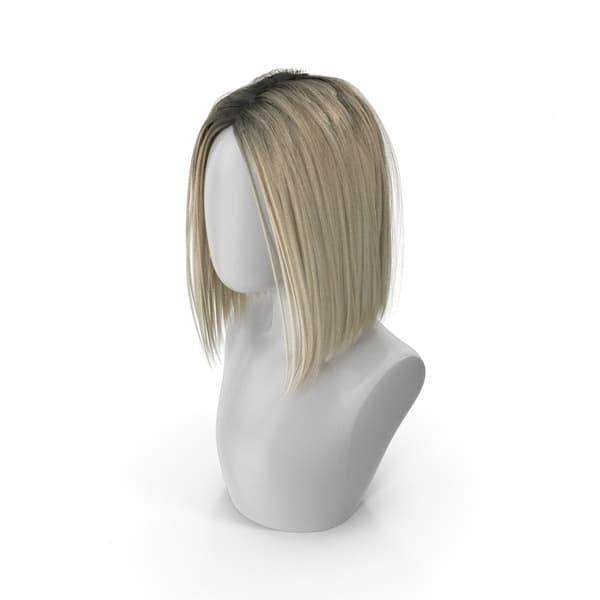
The contrast between warm honey tones and a darker root creates depth and dimension that mimics how hair grows and fades naturally. A honey blonde wig with dark roots avoids the flat, "wiggy" appearance often associated with single-tone pieces by offering a soft gradient, notably around the hairline and part. Dark roots help disguise the edge of the cap, integrate better with natural hair or brows, and give a lived-in, salon-refreshed look that is flattering on many skin tones. This visual complexity is essential for producing a believable finish and a flattering silhouette.
New wigs—synthetic or human hair—benefit from a little preparation. Start by gently shaking out packaging stiffness, then use a wide-tooth comb or a wig brush to detangle from tips to base. If your piece is synthetic, avoid heat unless the wig is heat-friendly; for human hair wigs, consider a low-heat steam or flat iron smoothing (always test a small section first). If the wig came extremely shiny, a light mist of dry shampoo or a tiny touch of baby powder applied from a distance to the underside can reduce factory gloss and enhance realism near the roots and part.
Pay attention to the cap construction and lace type. A lace front with a pre-plucked hairline or a customizable hairline will accentuate naturalness. Where the lace meets your skin, a thin layer of wig tape or adhesive can secure the piece, but less is often more—too much adhesive can change the apparent density at the hairline. Trim any extra lace carefully; if you're not comfortable doing that yourself, a stylist with wig experience can help. The darker root area on the wig should sit slightly behind the natural hairline to avoid an orange or harsh contrast—this mimics how hair grows darker at the base and lighter at the ends.
Blending is where many wigs succeed or fail in looking real. If you have some natural hair, leave out a small amount at the front and blend strategically with a thin layer over the wig edge. Use a low-build-up foundation or powder that matches your scalp tone on the lace for a seamless part; a light, stippled application at the part can emulate scalp visibility. When working with a honey blonde wig with dark roots, ensure the root shadow aligns with your natural regrowth zone if you choose to show any of your own hair. For those with no leave-out available, create a natural-looking part with a scalp-colored powder, a band of concealer, or a thin strip of wig tape covered with a tiny dab of makeup. Always set with a small amount of translucent powder to reduce shine and transfer.
Soft face-framing layers and feathered bangs tend to make wigs look more organic. Avoid blunt cuts that expose too much of the cap edge; instead, opt for tapered ends that mimic cut hair. When using heat tools on human-hair wigs, use a heat protectant and lower temperature settings. For synthetic heat-friendly fibers, follow manufacturer instructions. When you curl or wave a honey-blonde wig with dark roots, curl away from the face in alternating directions for a natural, undone look that shows off both the honey tone and the root contrast.
Whether your wig is human hair or high-quality synthetic, the color care routine influences how long the honey tones stay vibrant. Use sulfate-free, color-safe shampoos and conditioners for human hair wigs, and consider a purple or blue-tinted product cautiously—too strong might neutralize warm undertones. For synthetic wigs, use specially formulated synthetic wig shampoos and conditioners to maintain softness without stripping color. A deep-conditioning treatment every few wears restores moisture to dyed human hair pieces and prevents brassiness. To retain the honey brightness, limit sun exposure or use a UV protectant spray; UV rays can fade warm pigments, especially in lighter blondes.
The dark-root effect typically holds up well, but over time the lighter ends can become dull. For human-hair pieces, a toner or gloss treatment from a professional colorist can refresh the warmth without lifting the root. For synthetic wigs, root shading can be enhanced with special wig markers or makeup designed for fiber—apply subtly at the root base and blend. Avoid household dyes and harsh chemicals that can alter synthetic fibers unpredictably. Keep the root area looking natural by avoiding heavy product buildup; occasional clarifying for human hair or a gentle rinse for synthetics will stop residue from making roots look flat or greasy.
Daily handling matters. Always store the wig on a breathable stand to allow airflow and maintain shape. Avoid sleeping in your wig frequently; friction can cause tangling and shorten lifespan. When brushing, hold the base of the wig near the cap and brush from tips to mid-length to the root in controlled passes. Spritz lightly with a detangling or conditioning spray before combing if the fibers have been exposed to humidity or styling products. Keep cosmetic products such as foundation and powders away from the lace edge as they can transfer and discolor the base.
Clean your wig based on wear frequency: every 6-10 wears for human hair in regular use, and every 12-15 wears for synthetic, unless exposure to smoke, heavy makeup, or sweat occurs more often. To wash, gently soak in cool water with wig-safe shampoo, swirl gently instead of scrubbing, rinse thoroughly, and apply conditioner (for human hair). For synthetics, follow product-specific instructions and avoid hot water. Blot with a microfiber towel and place on a wig stand to air dry. Heat should be used sparingly and only when the piece is designed for it.
If you travel frequently, bring a small maintenance kit: a travel-sized wig brush, a sealed bottle of wig-safe detangler, extra wig tape or a small tube of adhesive if you use it, and a hairnet to protect the style in transit. For quick fixes—use baby powder or dry shampoo to combat oiliness at the roots, a toothbrush and a tiny bit of styling gel to tame flyaways, and a curling iron on low heat for human hair to revive waves. If a lace section peels, double-sided medical tape can act as a temporary hold until a proper repair is made by a professional.
Selecting a quality base is vital. Look for hand-tied lace fronts or monofilament tops if you want realistic parting. Density matters—too thick can look unnatural for a honey-blonde look that is often airy; aim for medium density or slightly customized thinning at the crowns and hairline. If your wig doesn't come pre-plucked, ask your stylist to thin the hairline and to create subtle baby hairs that mimic natural growth. For the most realistic results, match the root darkness to your skin tone and natural eyebrow color; sometimes a slightly warmer or cooler honey tone complements your complexion better than the standard shade shown online.
Professional styling for a new wig can save you time and avoid costly mistakes. Color correction, precision haircutting, hand-knotting adjustments, and lace tinting are best left to experienced wig technicians. They can also advise whether a honey blonde wig with dark roots should be toned warmer or cooler to harmonize with your wardrobe and undertone, and whether added lowlights or babylights would increase realism.
Invest in a good wig brush (wide tooth, flexible bristles), a breathable wig stand, heat tools with accurate temperature control for human hair pieces, wig-specific cleaning products, and a lightweight leave-in conditioning spray. For scalp realism, try a wig powder or concealer that matches your scalp hue and is meant for lace or parting. If you wear your wig daily, consider rotating two wigs to reduce wear and tear on a single unit.
To reduce waste, choose quality over single-use cheap units; proper care extends usable life so you replace less often. Clean only as needed, use concentrated products sparingly, and reuse wig packaging for safe storage. If budget is a constraint, synthetic heat-friendly wigs now offer realistic textures and rooted colorations at a lower cost; choose well-reviewed brands and handle them with care to get the best value.
Try soft waves that accentuate the honey tones, straight sleek styles with a slightly off-center part that showcases the dark root, or a low pony with face-framing tendrils for an understated chic look. Braids with loose pieces around the face can highlight the dimension created by darker roots meeting lighter ends. Accessorize with headbands, scarves, and clips that complement warm tones—think golds, creams, and earthy corals.
In summer, use UV protection and lighter styling products to avoid heat and salt damage; in winter, protect the wig from drying indoor heat and static by adding a lightweight leave-in serum for human hair or a static-reducing spray for synthetics. Rotate parting locations occasionally to avoid single-direction wear on the lace or cap.
If your honey blonde wig with dark roots looks flat, introduce texture with a sea-salt spray on human hair pieces or a curling iron for gentle waves. If the roots appear too stark, soften them with a light dusting of matching powder or a tinted root spray and blend carefully. For shedding or excessive tangling, evaluate your brushing technique and product use; if problems persist, seek a professional assessment—sometimes cap construction or fiber quality is at fault.
A well-cared-for human hair wig can last a year or more with regular use; synthetics vary from months to years depending on quality and wear. Replace when tangling becomes unmanageable, the lace is compromised, the color has unevenly faded, or the cap no longer fits securely. Planning replacements ahead of time ensures you always have a natural-looking option available.
In short, a realistic result depends on selecting a quality base, performing careful pre-wear preparation, maintaining color and fiber health, and using the right blending and styling techniques. The goal is to let the warm honey tones and subtle root shadow work together to mimic natural growth and light reflection. With attention to detail—particularly around the hairline and part—you can make a honey blonde wig with dark roots appear indistinguishable from natural hair.
Stylists often recommend: trim a few individual hairs at the hairline to create soft baby hairs, avoid heavy serums near the lace, and use a small, angled brush to apply a tiny amount of concealer at the part for instant scalp realism. When in doubt, less product and gentler handling will prolong both the look and longevity of any wig.
Remember: confidence in wearing a wig comes from both the physical fit and the styling strategy. Practice different looks at home, document what products and techniques work best for your specific wig, and don't hesitate to seek professional customization for lasting realism. Happy styling and caring for your honey-toned investment.
Use a thin application of scalp-colored powder or concealer in the part, blend well, and set with translucent powder. For lace fronts, a slight tint on the lace edge that matches your skin tone helps the transition appear seamless. Pre-plucked parts and monofilament tops also enhance realism.
Synthetic fibers generally do not accept traditional dyes—attempting to dye them can damage the material. Use fiber-specific markers or professional services that specialize in synthetic shades, or purchase a human-hair wig if you anticipate color changes.
For human hair wigs, an occasional use of purple or blue toning products (carefully applied) can neutralize unwanted warmth, but use them sparingly to maintain the honey tone. Professional toning is safest. Synthetics should be refreshed with appropriate color-safe maintenance products and protected from UV exposure.
