If you own a lace hairpiece and want it to stay soft, secure and natural-looking for months, knowing how to wash a lace wig correctly is essential. This comprehensive, search-friendly guide explains gentle cleansing, detangling, conditioning and post-wash care so your investment keeps returning the best results. The following content blends practical steps, product recommendations, troubleshooting tips and styling cues to improve longevity and maintain an authentic scalp appearance.
Wigs built on delicate lace bases need special attention. Improper washing can loosen knots, tangle hair fibers, fade color and weaken adhesives. By mastering the correct method for how to wash a lace wig, you reduce shedding, prevent lace damage and preserve the hand-feel and shine of human or high-grade synthetic hair.
Gently brush the wig from tips to roots to remove knots. Hold the hair at the root while you detangle to avoid tugging on the lace. If you’re working with a glued hairline, take special care to avoid stressing the lace edge.
Run cool to lukewarm water through the hair, avoiding strong streams on the lace cap. For spot-treating heavy oil or makeup buildup on the hairline, apply a small amount of diluted shampoo or a clarifying solution directly to the area and let it sit for 2–5 minutes before washing.
Use a gentle, low-foam shampoo. Place the wig in a basin with cool to lukewarm water, add a few pumps of shampoo and agitate the water to create suds. Immerse the wig, then gently compress the hair through the palm—do not rub, twist or wring. Focus on the cap and roots where sweat, oils and adhesives accumulate. Rinse thoroughly. Repeat only if necessary. This controlled approach prevents knots and preserves lace integrity.
Apply a lightweight, silicone-free conditioner from mid-lengths to ends—avoid heavy conditioners near the lace base or knots to prevent loosening. Leave the conditioner in for 3–7 minutes, then rinse with cool water to seal cuticles and reduce frizz. For human hair wigs, a deep conditioning mask can be used once every 4–8 washes to restore moisture. For synthetic fiber wigs, select conditioning sprays designed for synthetics.
Final rinsing should be done with cool water. This helps flatten hair cuticles and enhance shine. For an optional shine boost, add a teaspoon of hair-friendly oil (argan or jojoba; only a tiny amount) to the palms and smooth through ends once dry.
Pat excess water with a microfiber towel; never twist or rub. Place the wig on a stand or head form to air dry. If you must use heat, set tools to the lowest effective temperature and keep the dryer at least 8–10 inches away. For human hair lace wigs, use a heat protectant before styling. Avoid forcing the lace base to dry with direct heat—excessive heat can warp lace and weaken knots.
When cleaning a wig with adhesive along the hairline, remove residual glue before washing. Use a dedicated remover and gently peel off residue. Rinsing without removing adhesives first can spread residue into the lace base and hair, making thorough cleaning more difficult and damaging the lace. If you regularly re-apply adhesive, limit adhesive exposure to short periods and deep-clean less frequently but thoroughly.
The ideal interval depends on wear frequency, activity level and product use. For daily wear with minimal heavy products, a wash every 7–10 wears is common. For active lifestyles or heavy use of styling products, wash more often. Avoid over-washing; frequent, aggressive shampooing can dry hair and stress lace. Track how your unit responds and adjust accordingly.
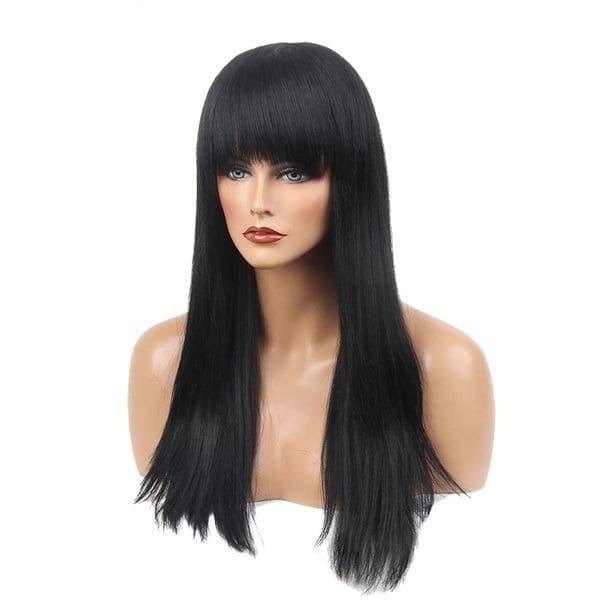
Always detangle from tips working up to roots. Use wide-tooth combs or brushes designed for wigs. For very tangled areas, apply a detangling spray and gently finger-comb first. Do not brush a wet wig aggressively—support the base and move carefully to reduce stress on knots and lace.
Every few washes, perform a deeper cleanse: soak the wig in diluted shampoo for a few minutes, use a soft brush at the base to remove product buildup (very gently), then condition and rinse thoroughly. For in-between wear refreshes, use a light dry shampoo or a cleansing mist specifically for wigs to absorb oils without a full wash.
Human hair wigs tolerate heat styling and deep conditioning but require natural hair care products; synthetic wigs resist heat (unless labeled heat-friendly) and need specialized cleaners and conditioning sprays. Both types benefit from gentle handling and avoiding heavy products at the lace base.
To protect knots and preserve the lace: avoid rough towel rubbing, never sleep in a glued wig without a silk cap, and choose lightweight products that won’t accumulate at the root. If knots appear loose after multiple washes, consider knot sealing treatments (apply sparingly) or consult a professional repair service.
When traveling, store the wig in a breathable bag or on a folding stand to keep shape. Avoid crushing the lace or placing objects on top. For long-term storage, secure hair gently with a soft scrunchie near the ends, wrap with silk or satin and store in a cool, dry place away from direct sunlight.
If you notice discoloration, try a clarifying wash first; persistent staining may require professional cleaning. For lingering odors, a vinegar rinse (1 part white vinegar to 3 parts water) followed by a mild conditioner can help neutralize smells. Matting near the nape often results from friction—smooth it out with conditioner and careful combing, or trim damaged ends if necessary.
Be mindful that some adhesives are water-activated and may lose hold when regularly washed. If you rely on glue or tape, plan reapplication after deep cleaning, and always use adhesive removers to clear residues before washing.
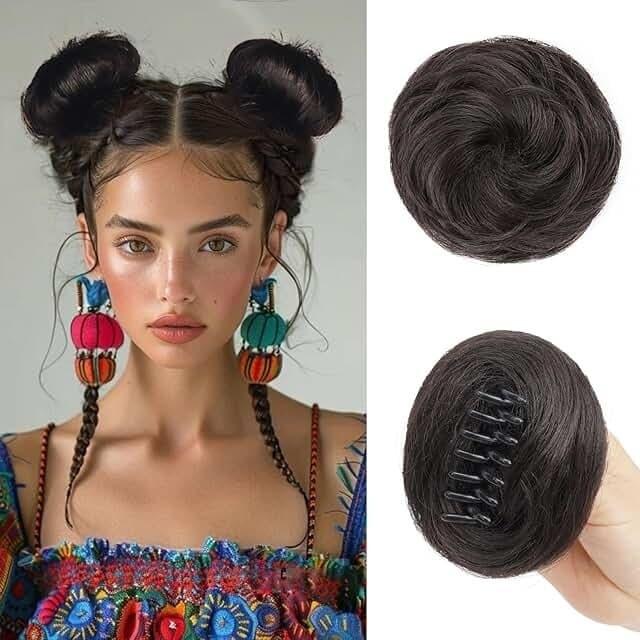
After drying, style with low-heat tools or heatless techniques. Use a lightweight serum on the ends to reduce frizz. To keep the hairline realistic, use concealer or wig-specific products to blend the lace with your skin. Reapply a minimal amount of adhesive or tape if necessary for security.
Create a simple routine: detangle daily, refresh between wears with a spray, wash every 7–10 wears (adjust based on activity), deep clean monthly or as needed, and inspect the lace monthly for repairs. This predictable plan helps extend lifespan and keeps the unit looking salon-fresh.
For stubborn adhesive, major lace tears, or extensive color correction, contact a professional wig technician. Professional cleaning and repair services can safely restore wigs that have been heavily worn or improperly treated.
When buying care products or replacement lace, search for terms like “sulfate-free shampoo for wigs,” “lace-friendly adhesive remover” and “heat-friendly synthetic wig conditioner.” Quality products often make the difference in minimizing maintenance and extending wear. If you search for how to wash a lace wig online, prioritize sources with detailed steps, before-and-after photos and professional affiliations.
Consider gentle, eco-labeled hair cleansers and plant-based conditioners that are free from harsh sulfates and parabens. These products are often milder on both lace and natural fibers and reduce environmental impact. For light refreshes, a steamed towel or water mist can reduce the need for full washes.
How to wash a lace wig correctly is a combination of the right products, careful technique and post-wash patience. Prioritize gentle compression washing, targeted product use away from the lace base, thorough rinsing and air-drying on a stand. Regular, moderate maintenance beats infrequent aggressive cleaning. With proper care, your lace unit can remain undetectable, soft and vibrant for a much longer service life.
This guide aimed to balance actionable steps with practical wisdom so you can confidently care for your wig at home while knowing when to consult a pro. Keep experimenting within safe limits and adjust routines as your unit ages to preserve natural texture and appearance.
If a wig has been over-scrubbed or exposed to high heat, immediately use a restorative deep conditioner and let it soak for at least 20 minutes. Gently detangle and apply a leave-in reparative product. If lace edges are compromised, seek a repair specialist to avoid further damage.
FAQ
A: While you can use some mild regular shampoos, it's best to choose a sulfate-free, pH-balanced formula to avoid stripping natural oils and weakening knots. For synthetic units, use products formulated specifically for synthetic fibers.
A: Lifespan depends on material and care. Human hair lace wigs can last a year or longer with careful maintenance; high-quality synthetic wigs last several months to a year depending on wear frequency.
A: Air-drying is safest. If you must speed-dry, use cool airflow from a blow dryer at a distance. Avoid direct hot air on the lace base as it can deform the mesh and affect adhesive bonds.
