If you've ever wanted to take action to help a child facing hair loss, learning how to donate hair to wigs for kids is a meaningful first step. This comprehensive resource explains the process in plain language, offers a step-by-step roadmap, includes length and quality requirements, and supplies a reliable mailing checklist so your generous gift arrives ready to be transformed into a wig. Whether you're preparing your first ponytail or organizing a group donation event, these tips will make the experience organized, safe, and compliant with common donor programs.
Human hair wigs provide comfort, confidence, and a sense of normalcy to children who have lost hair due to medical conditions. When you learn how to donate hair to wigs for kids, you give more than strands — you give dignity. Many nonprofit wig programs prefer raw hair because it can be styled, colored, and cut to fit a child’s needs. By following a few key requirements you’ll ensure that your hair donation is eligible and helpful.
The general workflow for most reputable organizations includes: confirming the organization’s length and condition requirements; preparing and cutting the hair properly; cleaning and packaging the hair; and mailing it with a completed donor form or note. This guide offers a step-by-step checklist and explains common variations so you can complete each stage with confidence.
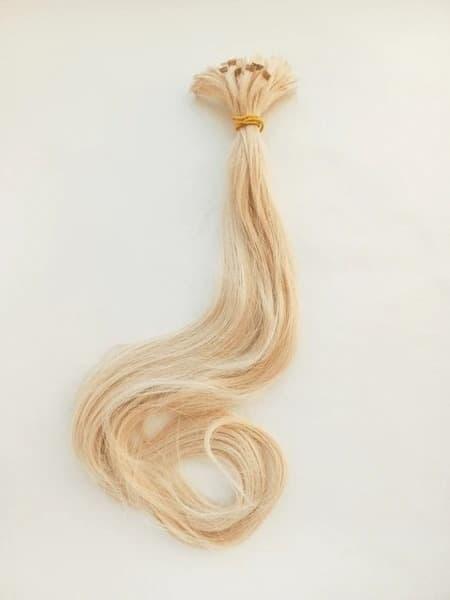 Some salons offer free or low-cost cuts timed with donation events.
Minimum length requirements vary: many accept 8–10 inches as the minimum, while programs focused on children’s wigs often request 12 inches or more. Why the variance? Longer hair allows stylists to create fuller, more natural-looking units. Quality expectations include unprocessed hair that is clean, dry, and free from lice or disease. Organizations may accept colored hair but often exclude heavily chemically processed or heat-damaged strands. If your ends are split, trimming them before donating is acceptable as long as you still meet the minimum length. When in doubt, read the "eligibility" or "donate hair" pages on the charity’s website or call their support line to verify.
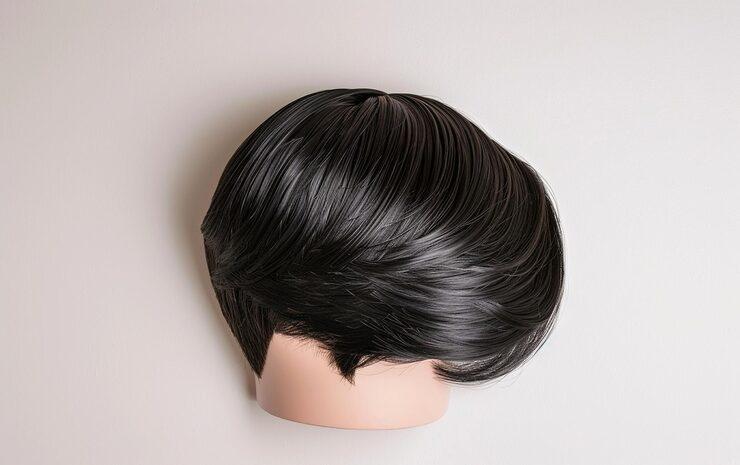
Curly and coily textures require special handling: stretch the hair (gently) to measure length accurately, secure the bundle in a way that preserves curl pattern, and label the texture type on the donor form. Many wigmakers specifically seek natural textured hair to create wigs that represent children of all backgrounds. Be sure the charity accepts the texture you’re donating.
Color, highlights, perms, and relaxers affect acceptability. Some organizations accept treated hair if it’s in good condition; others only process virgin hair. Always disclose treatments on the donor form to help wigmakers plan usage and avoid rejection of the donated hair.
Before you seal the envelope, confirm these essentials:
To measure: secure hair at the root with an elastic band, pull the ponytail taut, and use a ruler or tape measure from the top of the elastic to the ends. Record the measurement in inches on your donor form. If hair is curly, stretch gently to measure true length. If you plan to trim split ends before donating, measure after trimming to ensure you still meet minimum requirements.
Rejected donations are usually due to moisture, inadequate length, or heavy damage. Avoid these by: ensuring hair is fully dry; measuring carefully; disclosing chemical treatments; and packaging correctly. Another common error is shipping to an outdated address — confirm the mailing address on the organization’s official site immediately before shipping.
To help this helpful guidance reach people searching for ways to help, this document repeats the key phrase how to donate hair to wigs for kids within described contexts and headings. If you're using a blog or informational site to explain donation steps, use headings such as Step-by-step, Length requirements, and Mailing checklist, and include the keyword phrase naturally within alt text for images or captions when applicable.
Tip: Add local SEO signals by listing community events, salon partners, and drop-off locations with city names to attract geographically relevant donors.
Below is an optional short template you can print or paste into an email to a salon or charity when arranging your donation:
Donation Type: Hair for child wig programDonor Name:Length of ponytail(s):Was hair chemically treated? (Yes/No) If yes, describe:Date cut:Tracking number (after shipping):Comments:Once received, organizations generally sort hair by length, texture, and color. Wig creation can take weeks to months depending on volunteer capacity and demand. Be patient — your contribution may be part of a future wig completed when materials and skilled labor align. Many charities provide updates or photos with consent, but remember that privacy considerations for child recipients limit public sharing.
Organizing a collection event involves: coordinating with a charity to confirm requirements; promoting the event with clear instructions on length and preparation; partnering with local stylists or barbers; providing donor forms and mailing supplies; and scheduling a drop-off and a shipping plan. Provide volunteers to help secure and label ponytails, and plan for a single bulk shipment to minimize issues.
For people wondering how to donate hair to wigs for kids while balancing busy schedules, consider scheduling a weekend appointment with a participating salon that will collect and ship donations on your behalf — many salons are familiar with the rules and can assist with accurate measurement and packaging.
Respect the dignity of wig recipients by choosing reputable charities with transparent policies on wig distribution. Avoid organizations that require fees from recipients to receive wigs; many nonprofits provide wigs free of charge to qualifying children. Additionally, if you’re a minor donating through a school or group event, ensure parental consent where required.
Your decision to donate hair can transform a child’s day, boost confidence, and create a ripple effect of kindness. By following proper measurement, preparation, and mailing protocols, you maximize the chance your hair becomes a usable, beautiful wig. Keep a copy of your donation records, use tracking, and celebrate the act — then consider encouraging others to join you in learning how to donate hair to wigs for kids.
A: Length requirements vary, but many children’s wig programs require at least 10–12 inches. Always check the specific organization’s rules before cutting.
A: Some programs accept chemically treated hair if it is in good condition; others only accept virgin (untreated) hair. Declare any treatments on the donor form so wigmakers can plan accordingly.
A: Secure ponytails or braids with elastic bands, place them in a dry plastic bag or paper envelope per the charity’s instructions, include a completed donor form, and ship in a sturdy padded envelope or small box with tracking.
By taking time to prepare and follow these guidelines you help ensure that charity wigmakers can use your donation effectively. Thank you for considering this generous act — each ponytail brings comfort and confidence to a child in need.
