If you ever wondered how to brush synthetic wigs without damaging fibers, this comprehensive guide will walk you through safe methods, common pitfalls, and pro-level tricks to keep your pieces tangle-free and silky. Synthetic hair behaves differently from human hair: fibers are heat-sensitive, can mat quickly if mistreated, and require a disciplined routine to remain soft and manageable. This article emphasizes how to brush synthetic wigs correctly, when to detangle, what tools to use, and how to maintain a salon-ready look at home.

Preparation prevents damage. Start by placing the wig onto a wig stand or mannequin. If it's slightly damp from a recent wash, let it air-dry until it's nearly dry—brushing wet synthetic fibers can stretch and weaken them. For dry wigs, apply a light mist of a silicone-based leave-in conditioner made for synthetics, focusing on ends and mid-lengths while avoiding the roots to prevent slippage on the cap. Always test any product on a hidden section to ensure it doesn't alter the sheen or texture.
Divide the hair into controlled sections to make detangling systematic: start with the nape, then move to the sides, and finally the crown. Use gentle clips to hold sections in place. Working in small areas prevents wide-scale pulling and reduces stress on wefts and cap construction.
Always begin with the ends and fingers before using a comb or brush. This reduces strain on knots and decreases the chance of creating bigger tangles. Use a wide-tooth comb or a specialized wig brush to gently remove knots at the tips, then progressively move upward in small strokes until you reach the roots.
Not all brushes are created equal. For how to brush synthetic wigs safely, choose brushes and combs specifically designed for synthetic fibers. A loop brush or a paddle brush with smooth, dispersed bristles minimizes friction and prevents snagging. Avoid boar-bristle brushes which are better for natural hair oils and can be too harsh for synthetics.
For severe matting near the base, immerse just the affected area in lukewarm water with a drop of wig shampoo, let it soak briefly, and then attempt detangling while wet using a wide-tooth comb. Finish by conditioning and air-drying on a stand.
Once detangled, style using heat-free methods unless your wig is explicitly labeled heat-friendly. Synthetic wigs often respond well to cold-setting: braid sections or use foam rollers, allow to set overnight, and gently unroll for waves. When curvature or smoothing with a low-heat tool is necessary, verify manufacturer's heat tolerance and keep temperature low, using a heat-protectant formulated for synthetics.
To keep a wig in prime condition follow a routine: daily, brush gently before and after wear; weekly, inspect for tangles and wash only when necessary (every 6-10 wears or when product buildup occurs). Over-washing shortens the life of synthetic fibers. Use wig shampoo and conditioner designed to retain the synthetic sheen without leaving residue.
Store on a stand to maintain shape, keep away from direct sunlight which can fade tones, and cover with a breathable cloth to prevent dust. For long-term storage, place inside a breathable box with acid-free tissue paper to keep style and prevent flattening.
Lightly mist with a silicone-based detangler and smooth with a loop brush or paddle. For persistent flyaways, rub a tiny amount of a wig-specific serum between fingertips and smooth ends—avoid the roots.
Tangles at the nape are often caused by friction from collars. Address by keeping neckline clothing soft, using a silk scarf under collars, and applying a weekly smoothing treatment to the nape area. Use a wide-tooth comb in short, deliberate strokes and treat knots with fingers first.
Matting near ear tabs or clips can sometimes be trimmed cautiously with small scissors to remove irreversible knotted sections, then blend with a thinning shear or visit a wig specialist for rewefting.
Rotate wigs to reduce everyday wear, sleep with hair braided or in a loose bun if you wear it overnight (use a satin pillowcase), and avoid spraying fragrances or alcohol-based products near fibers. Keep the wig cap clean—sweat and makeup can degrade the inner cap materials, so wash the cap periodically according to manufacturer instructions.
With optimal care, a high-quality synthetic wig lasts anywhere from 6 months to 2 years depending on frequency of wear. Regular deep cleaning, proper brushing techniques focusing on how to brush synthetic wigs, and correct storage significantly prolong usable life.
Look for tools labeled specifically for synthetic wigs: loop brushes, silicone spray detanglers, sulfate-free wig shampoos, and conditioners that replenish flexibility without heavy residue. Avoid aerosol hairsprays that contain alcohol as a main ingredient; they dry fibers and speed wear.
If you notice excessive shedding, cap distortion, or irreversible matting near the lace/front, consult a wig technician. They can reweft, reshape, and sometimes replace sections to save a favorite piece.
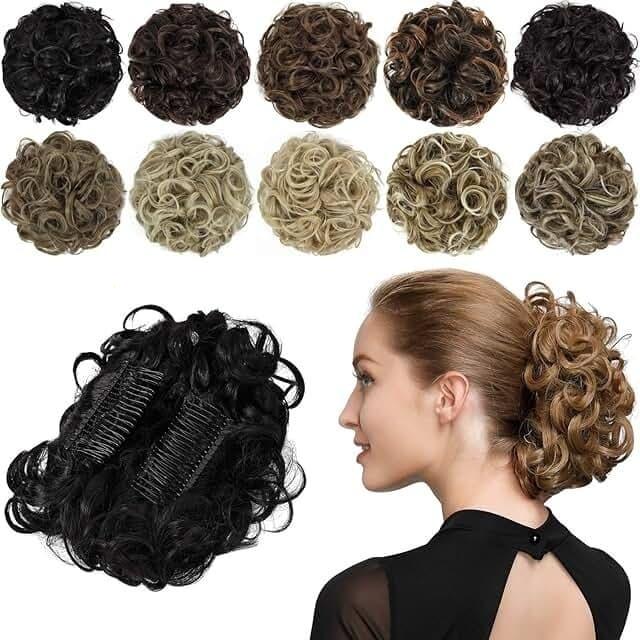
Curl patterns require different handling than sleek straight styles. Curly or textured synthetics benefit from finger-combing and occasional application of curl-defining mousse for synthetics; straight wigs best maintain their look when brushed gently with a paddle brush from tips to root. For layered wigs, be extra cautious around internal layering points where stress concentrates.
If you're a frequent wearer, invest in an extra wig to rotate and have one professionally cleaned and styled occasionally. Stylists recommend micro-section detangling for dense styles and using a hooded dryer on low settings after conditioning to set style without direct heat contact. For color longevity, avoid excessive sun exposure and store in a cool, dark place.
To summarize the essentials on how to brush synthetic wigs: start at the ends, use the correct tools, section before detangling, apply appropriate products sparingly, and store properly. These practices form the foundation of a durable care routine that preserves sheen, prevents matting, and extends the lifespan of synthetic hairpieces.
Adopting these methods will transform daily maintenance from a risky chore into a straightforward ritual that keeps your synthetic pieces looking natural and refreshed. Whether you're new to wigs or a seasoned wearer, learning how to brush synthetic wigs properly is the single most effective step you can take to protect your investment.
Consistent, gentle care is the secret to keeping your wig vibrant and tangle-free. Be patient with knots, avoid aggressive tools and chemicals, and treat each piece as a delicate textile—because it is. With the right approach, synthetic wigs offer reliability, style, and long-term value.
A: Yes, gentle daily brushing helps prevent tangles; focus on tips and mid-lengths and avoid overworking the roots.
A: Check for product buildup and friction points, use a silicone-based detangler, and consider rotating to reduce wear; severe matting may require professional attention.

A: Only if the wig is explicitly labeled heat-friendly; always use low settings and a heat protectant designed for synthetics.
