Curiosity about a public figure's style choices is natural, and hair is one of the most visible aspects of a star's image. This long-form piece explores whether the actress in question favors hairpieces, what stylists and insiders have shared, and how wig use fits into professional styling, on- and off-set. For readers searching for does nicole kidman wear wigs, this article compiles reputable observations, phrasing them into practical insights that respect privacy while satisfying curiosity.
In the entertainment world, wigs, hair extensions and prosthetic hair are tools of the trade. Costume designers, personal stylists, and hairstylists work together to create looks that are reliable under stage lights, camera close-ups, and long shooting days. When addressing the question does nicole kidman wear wigs, it's useful to separate three contexts: character work for film and television, red-carpet styling, and everyday personal style. Each context has different demands for consistency, durability, and comfort.
For period pieces or roles that require a very specific silhouette, color, or length, productions often opt for wigs or lace-front pieces to guarantee consistency across multiple shooting locations and stunt sequences. On-set hair continuity is crucial: continuity supervisors and hair departments coordinate to maintain the exact look from shot to shot. In such settings, stylists may choose custom wigs, partial hairpieces, or extensions. This is a standard industry practice, not an indicator of anything beyond the practical need for a dependable look under production constraints.
At press events and award shows, hair needs to look flawless in photos taken from every angle. Stylists sometimes use temporary hair additions to add volume, enhance a silhouette for a gown, or create a style that otherwise would be difficult to achieve quickly. Depending on the design and time available, the choice can be between clip-in extensions, halo pieces, or entirely hand-tied wigs. The effect is to achieve a polished aesthetic that complements wardrobe and makeup while surviving hours of media attention.
Outside of work, many actors prefer a lower-maintenance routine. That may involve going natural, using salon treatments, or employing lightweight, discreet pieces for occasional changes. For public figures who often change their hair for roles, there is a practical value in keeping a healthy base of natural hair and using wigs or pieces when necessary to protect it from excessive processing.
Conversations with industry professionals and archived interviews suggest that the actress under discussion has occasionally used hairpieces for certain roles and events. The consensus is that she values wearable, realistic solutions crafted by experienced wigmakers and hair departments. This means that for historical roles or for styles that require an exaggeratedly uniform look, stylists may use professionally made wigs or enhancements. For more casual roles or public appearances that call for a softer, more natural look, the approach tends to favor extensions, careful coloring, and salon treatments.
"Occasionally, a wig or a piece gives us what we can't get from extensions—complete control over shape and color under shooting lights," one senior hairdresser said when discussing film work in general.
Online debates about whether a celebrity is wearing a wig often rely on photo comparison. But photography can be misleading: high wind, camera angles, and makeup, as well as retouching in editorial photos, can suggest edges or seams where there are none. Professionals caution against snap judgments. Instead, consider the context—was it a film role with known hairstyling requirements? Was it a heavily styled red-carpet look where reinforcement is normal? Such context helps answer whether an appearance likely involved a wig or another form of enhancement.
Alternating between natural hair and wigs allows a performer to protect their natural strands from repeated chemical processing. Creative demands and scheduling can also dictate choices—when a role requires a specific look for months, a wig may be healthier for the actor's own hair. Furthermore, wigs and pieces enable quick character changes during tight shooting schedules.
Three myths repeatedly surface in public discussions about celebrities' hairstyles:
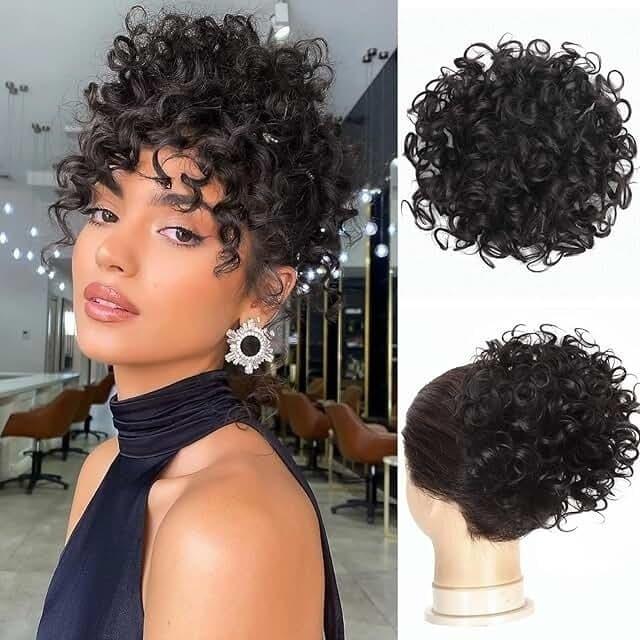
Insiders often share non-sensitive tips that explain how professional stylists achieve enviable results. These include pre-styling hair treatments to create a healthy base, using heat-protectant products before styling, and preferring human-hair wigs and extensions for movement and natural sheen. When synthetic pieces are used, they are often reserved for brief looks or for scenes where cost-effectiveness matters more than longevity. The technical nuance is important: whether crafting period-appropriate hair or a modern red-carpet updo, the tools and methods vary.
Look for patterns: consistent hairline across months, sudden, dramatic length changes without visible regrowth, and flawless, uniform color that resists the natural variations most hair has. Conversely, subtle root regrowth, slight frizz, and varying part lines suggest natural hair or extensions blended with the actor's own hair. For those specifically querying does nicole kidman wear wigs, the most reliable indicators are production notes and stylist credits in interviews, since external photos and gossip can be inconclusive.
Wig construction for film often involves bespoke fittings. Skilled wigmakers consult with costume departments and directors to match era, character class, and lifestyle. Hair colorists may pre-dye wig bases to match a performer's complexion and lighting. This collaborative process ensures that the final look reads correctly on camera. In many cases, the wig is just one element in a complex visual strategy that includes makeup, wardrobe, and lighting design.
Publicists and stylists coordinate looks that align with an actor's public image. For a star who has cultivated a particular aesthetic, choices in hair can reinforce brand identity. Wigs and pieces can be used strategically: to deliver a surprise transformation, to maintain continuity across publicity events, or to quickly adapt to last-minute styling needs. The decision to use a wig is therefore frequently an intentional part of image management rather than a concealed secret.
Repeated bleaching, dyeing, and heat styling can compromise hair integrity. When a role demands repeated color changes or extensive manipulation, wigs offer a protective alternative. Wearing high-quality wigs reduces cumulative damage and gives stylists the freedom to experiment without risking an actor's long-term hair health.
Salon professionals often emphasize the trade-off between authenticity and preservation. A well-cared-for natural mane is valuable, and many celebrities use wigs or extensions judiciously to keep their natural hair healthy between intensive projects.
Respecting boundaries is important. Public figures have a right to privacy about certain personal choices. When researching whether a celebrity uses wigs, prefer verified statements from stylists, official behind-the-scenes content, or credited interviews rather than speculation. This approach yields more accurate information and minimizes the spread of unfounded rumors.
The short, careful answer to the search query does nicole kidman wear wigs is that hairpieces are a normal tool in the wardrobe and beauty toolbox of many actors, used as needed for continuity, protection, or specific stylistic demands. Industry sources and stylist interviews indicate that this performer has, like many in her profession, used wigs or hairpieces selectively, depending on roles and events. The presence or absence of a wig in any single photo is often difficult to determine from outside the production context, so the most reliable information tends to come from credited hair and costume departments or the actors' own remarks.
A: No. Photos can be misleading due to angles, lighting, retouching, and movement. Context and credited stylist information are more reliable.
A: Wigs can offer complete control over silhouette, color, and length without subjecting natural hair to repeated chemical or heat processes, which is especially useful for long shoots or multiple characters.
A: High-quality custom wigs, especially human-hair lace-front pieces, can be extremely convincing and are often indistinguishable from natural hair when professionally fitted.
