If you’ve ever scrolled through fan forums or paused the movie to scrutinize every hair strand, you’re not alone. The rumor mill around whether Jacob wore a wig in the Twilight films has persisted for years, and it's one of those pop-culture micro-mysteries that combines costume craft, actor transformation, and the keen eye of a devoted fandom. In this deep-dive, we’ll explore shooting schedules, hairstyling practices, continuity challenges, and the subtle production choices that made some viewers ask the question did jacob wear a wig in twilight again and again.
Fans noticed differences in Jacob’s hair across scenes and movies for several logical reasons. First, filming spanned years and the actor’s natural hair changed with time. Second, scene-to-scene continuity often required adjustments: stunts, heat, water, and practical effects all influence how hair looks on camera. Third, different lighting, camera lenses, and color grading in post-production can make the same hairstyle appear thicker, shinier, or differently textured. Put simply, variability in on-set conditions plus intentional styling choices creates the impression—sometimes accurate, sometimes exaggerated—that a wig or hairpiece was used.
Inspecting stills and footage, you can sometimes spot a slight difference at the hairline or in movement—subtle signs that a wig or extensions might be present. However, these signs are often ambiguous because hair glue, lace fronts, and professional blending techniques can hide seams effectively. The camera’s frame rate and focus, combined with color grading, can hide or accentuate texture differences, leading to split opinions among viewers asking did jacob wear a wig in twilight.
While cast interviews from the Twilight era focused more on plot and performance, hairstylists and makeup artists sometimes provide concrete tidbits in behind-the-scenes reels and DVD extras. They often emphasize extensions and styling products more than full wigs, especially for leading actors whose on-screen appearance is a signature look. Extensions can be applied discretely to increase thickness; partial pieces can be used at the crown for volume without the need for a full wig. These methods align with the kinds of changes fans noticed.
There are a few scenarios in which a wig or significant hairpiece was likely used for Jacob’s character: intense stunt sequences, long sequences shot over multiple days without the actor having the same haircut each day, and water or fire effects where the hair must behave identically across takes. This explains why viewers might recall moments where Jacob’s hair looked slightly different—these production-driven choices prioritize continuity and safety over absolute naturalism.
Maintaining Jacob’s look across sequels involves a combination of methods: cutting and shaping the actor’s natural hair, trimming extensions to match, and using products to control texture. For big franchise productions, hairstylists often keep reference boards and maintain a supply of matched extensions or pieces to recreate the same volume. If reshoots occur months after principal photography, a hairpiece can bridge the gap when the actor’s hair growth would break continuity.
Stunt doubles complicate visual continuity. When doubles step in, the hair must match closely. Sometimes a wig replicates the actor’s haircut exactly for wide shots or action sequences. Close-up shots rely on the actor and finesse from the hair department to smooth transitions. This practice is entirely routine in film and not unique to the Twilight saga, but it feeds speculation among observant fans.
There are subtle clues: differences at the hairline, uniform thickness that resists wind, or a slightly different response to water. High-resolution stills and behind-the-scenes footage can reveal lace fronts, attachment points, or the telltale uniformity of a wig. However, professional blending makes many wigs invisible to casual observation. Fan communities often magnify small discrepancies into firm conclusions, so a careful technical analysis is necessary to move from rumor to reasonable inference about did jacob wear a wig in twilight.
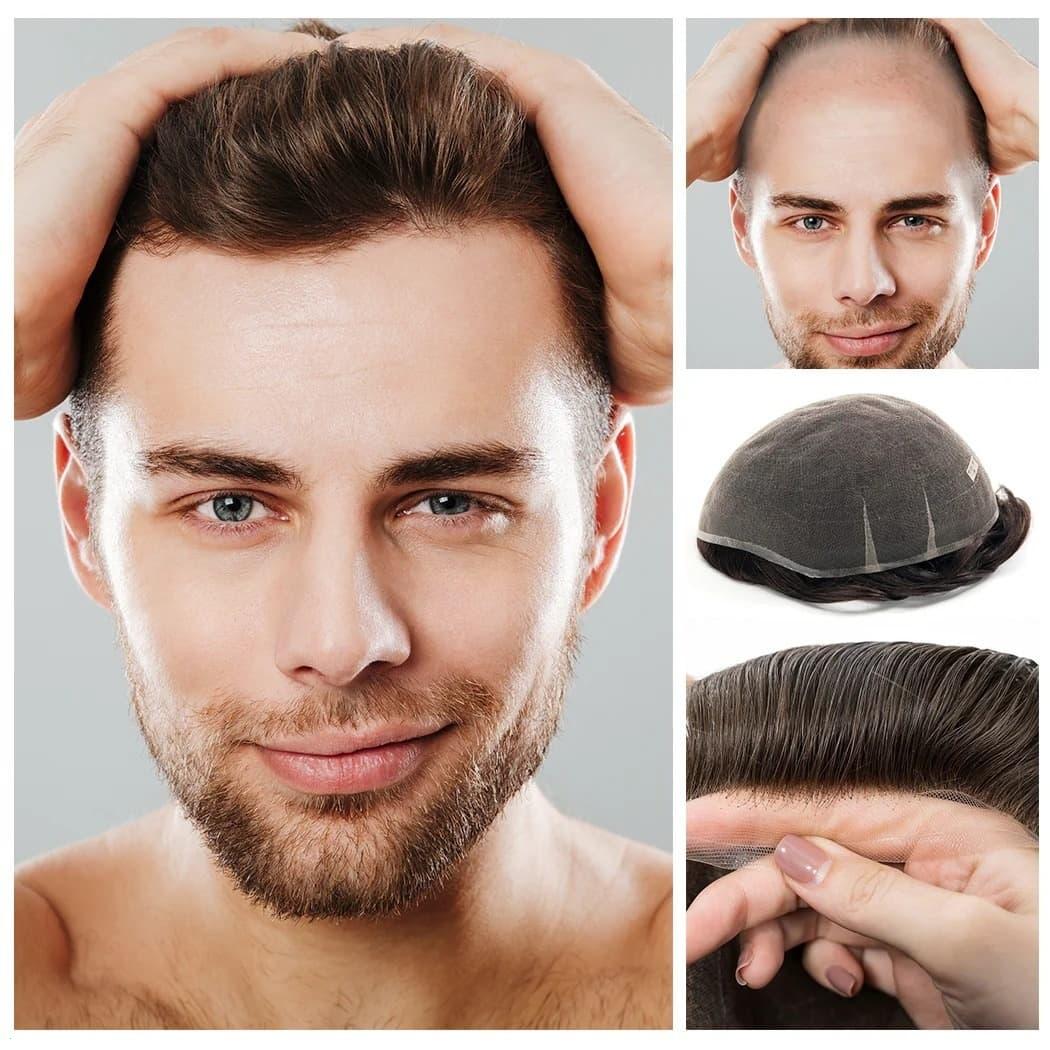
Color correction is another major factor. A hairstylist may dye hair for a specific scene, and color grading can alter the perceived shade. In night scenes, contrast and shadow can obscure texture differences. Thus, a change that seems like a wig can be nothing more than a different color temperature or grading choice. Fans who compare screenshots from different releases (theatrical vs. extended vs. remastered) may see differences that arise purely from post-production choices.
Fan culture amplifies anomalies. When one fan posts a freeze-frame and suggests a wig, others examine similar frames and bring in lighting, angle, and hair-growth timelines. Confirmation bias leads communities to collect evidence that supports a claim. The phrase did jacob wear a wig in twilight becomes a rallying point for research, but remember: anecdotal evidence is not the same as a production statement.
To date, there hasn’t been a widely publicized official statement explicitly saying “yes, Jacob wore a wig in Twilight.” Hairstylists and makeup departments typically discuss techniques rather than confirm each use of hairpieces. The absence of an explicit denial or admission leaves room for speculation—fuel for the curiosity that makes the question did jacob wear a wig in twilight persist.
Several scenes across the films prompted strong fan debate. Water-heavy sequences where hair appears uniformly wet and glossy, and high-action scenes with perfect hair movement, are the primary culprits. Those scenes are prime candidates for protective or augmentative hairpieces. Even if not full wigs, partial hairpieces or extensions could create the exact effect viewers found striking.
At times, the choice to use hairpieces is artistic rather than merely practical. A director may want a slightly exaggerated silhouette for a character’s visual identity. In such cases, stylists might help by adding subtle volume to the actor’s natural hair. This is an artistic decision consistent with cinematic craft and not a deception; it’s a behind-the-scenes enhancement to support storytelling.
So what’s the best short answer to did jacob wear a wig in twilight? The nuanced, evidence-based response is: possibly, but not necessarily a full wig; likely hairpieces, extensions, or protective coverings were used for specific scenes where continuity, safety, or visual effect required them. The more precise truth rests in production notes and the testimony of the hair and stunt departments. Until a definitive on-record confirmation surfaces, the most reasonable stance is informed skepticism combined with an appreciation for the craft that made Jacob’s on-screen look so memorable.
For enthusiasts who want to dig deeper, look for interviews with hairstylists from the franchise, behind-the-scenes featurettes, and high-resolution screenshots from different release versions. Fan technical analyses and side-by-side comparisons are also valuable—just remember to weigh their conclusions against the technical realities of filmmaking.
 , understand that production realities often explain the variations you noticed.
Q: Is there any official statement that confirms Jacob wore a wig?
A: No widely circulated official confirmation exists; hairstylists discuss techniques broadly, but explicit, scene-by-scene confirmations are rare.
Q: How can I tell if a hairpiece was used in a particular scene?
A: Look for consistency across takes, hairline differences, and behind-the-scenes photos; consider lighting and post-production as alternative explanations.
Q: Did other Twilight characters use wigs?
A: It’s common in films for various characters to use hairpieces or extensions for continuity or effect; Twilight is no exception.
