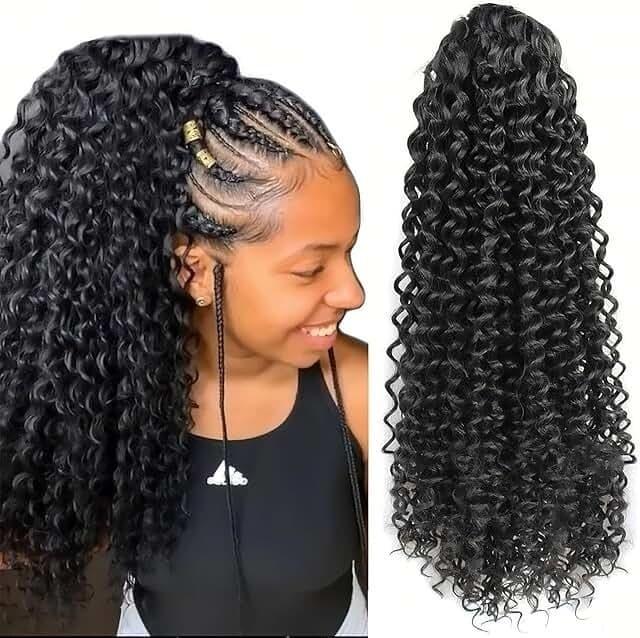
If you've ever wondered can you dye a fake wig or whether it's realistic to change the shade of a synthetic piece, this comprehensive primer walks you through the safest, most effective approaches for both synthetic and human hair wigs. Whether you're a cosplay enthusiast, a fashion-forward newbie, or a stylist looking to expand your skill set, understanding the materials, methods, risks, and aftercare will empower you to make the right decision for your wig investment.
The simple question can you dye a fake wig opens a larger conversation about fiber types, permanence of color changes, and alternatives to traditional dyeing. In mainstream terms, "fake wig" typically refers to wigs made from synthetic fibers such as kanekalon, toyokalon, or heat-resistant synthetic blends. Human hair wigs are a separate category with very different behavior when exposed to dye. This guide splits the topic: synthetic fibers and human hair, offering safe tips, product recommendations, and troubleshooting advice.
Answering can you dye a fake wig depends on the wig's composition. With human hair, traditional hair dyes, bleaches, and toners behave predictably. With synthetic textiles, chemical dyes designed for textiles or fabric markers may work differently and often inconsistently. Understanding the fiber is your first step.
Before attempting any color change, perform these quick diagnostics: touch test (synthetic feels smoother, more plastic-like), burn test (tiny clipped strand in a safe container: synthetic melts and smells like plastic; human hair burns slowly and smells like burnt protein), and label check (manufacturers often state fiber type). Always use minimal samples and safety gear when testing. If you find yourself uncertain, consult the supplier or a professional wig technician.
For human hair pieces, the answer to can you dye a fake wig shifts to a different question: can you dye this human hair wig? Yes — human hair accepts bleaching, semi-permanent, demi-permanent, and permanent oxidative dyes. Follow these best practices:
Use sulfate-free, color-safe shampoos, cool water, and occasional deep conditioning. Limit heat exposure and use UV-protectant products. Store on a wig stand to prevent tangling and to retain shape. These steps help your new color last.
Now we address the literal SEO phrase: can you dye a fake wig? The truthful, nuanced response: sometimes you can change the appearance of a synthetic wig, but true dyeing with salon hair color rarely works on standard synthetic fibers because these fibers are non-porous and resist oxidative dye molecules. However, there are multiple practical methods to alter or enhance synthetic wigs:
Some dye brands formulate products for synthetics (e.g., Rit DyeMore for synthetics). These liquid dyes operate at higher temperatures and bond differently than hair dyes. Steps include:
Pros: deep, more consistent coverage on some fibers; more permanent than surface paints.
Cons: color range limited, potential for uneven results, and risk of damaging wefts or lace attachments.
For precision shading, airbrush paints, fabric sprays, and permanent markers can add color without full immersion. This is a popular technique for cosplay where streaking, gradients, or highlights are desired. Tips:
Some specialty suppliers offer tinting services for synthetic wigs using formulated dyes. If you want a high-quality, lasting result for a high-end synthetic wig, professional tinting might be worth the investment.
Instead of dyeing the entire wig, consider adding colored wefts, clip-in streaks, or braided colored sections. This reversible approach answers the question can you dye a fake wig by offering a safe alternative that preserves the base wig.
Regardless of method, gather safety supplies: gloves, apron, eye protection, well-ventilated space, plastic containers, measuring tools, and heat control devices if using heated dye baths. Pre-detangle the wig and secure it on a headform. Always protect surfaces and clothing.
1. Read product instructions and ventilation warnings. 2 . Fill a stainless steel pot or heat-safe container with water heated to the recommended temperature. 3. Add the Rit DyeMore per recommended ratio. 4. Submerge a small test strand and observe color uptake over time. 5. Submerge the wig and stir gently at intervals to try to achieve even coverage. 6. Rinse in cool water until water runs clear and then condition lightly. 7. Air dry on a wig stand away from direct heat.
Note: Many synthetic fibers will still resist dye or take color unevenly. Results vary by brand and fiber composition.
Causes: pooled dye, insufficient agitation, or preexisting coatings on the fibers. Solutions: spot treat, try surface paints for blending, or consult a pro for re-dyeing.
Some synthetic dyes can bleed when wet. Use cold-water rinses and set with color-safe conditioners; avoid hot water. For severe bleeding, re-seal fibers with a clear fabric medium or hairspray tested on an inconspicuous area.
Agitation and heat can alter the smoothness of synthetic fibers, causing frizz and tangles. Handle gently and avoid high temps; use silicone-based detanglers formulated for synthetic hair to restore slip.
If you're hesitant because you ask yourself can you dye a fake wig and worry about irreversible damage, consider:
Temporary methods preserve resale value, allow experimentation, and reduce the risk of cap damage or fiber degradation. Many wig collectors advise keeping a "work" wig for experiments and a "show" wig for display or special occasions.
Success in changing color depends on assessing the starting shade, fiber base, and undertones. For human hair, standard color theory applies and you can lift and tone. For synthetic, plan for darker final shades if the fiber resists change. Use swatches and mood boards to visualize results. Document your process for replicability.
Colored wigs need careful aftercare: cold-water washes, brief soaking, and mild detergents for synthetic pieces. Use products labeled safe for synthetic fibers or color-safe for human hair wigs. Avoid chlorine and direct sunlight during drying to reduce fading. Store in breathable covers; avoid plastic bags which trap moisture.
If you ask can you dye a fake wig because you want a flawless result for an event or client, investing in professional services is often worth it. Professionals can custom-tone, match colors precisely, and handle lace front adjustments. DIY benefits include lower cost and creative control, but it comes with risk.
Certain dyes and solvents can be toxic or polluting. Dispose of dye baths responsibly and avoid pouring concentrated chemicals down drains. Consider eco-friendlier options and always use PPE (gloves, mask) during dye procedures. Ventilation is key when using aerosols or hot dye baths.
Answer these to reduce surprises: Is the wig human or synthetic? Have you done a strand test? Do you have a backup plan? Are you prepared with safety gear and color-correcting resources? If yes, proceed cautiously and document every step in case you need to reverse or adjust.
Myth 1: All synthetic wigs can be dyed like human hair — false.
Myth 2: Heat-resistant synthetics can take bleach — mostly false; heat-tolerance is not the same as chemical porosity.
Myth 3: Dyeing always voids returns — often true, so check retailer policies.
In short, the phrase can you dye a fake wig requires nuance. For human hair the answer is typically yes with standard salon methods. For synthetic pieces, the answer is sometimes, with caveats: only certain dyes work, results vary, and the process can be irreversible. Beginners should start with small tests, consider non-destructive alternatives like wefts or sprays, and prioritize safety. With patience, research, and the right approach, you can achieve vibrant, wearable colors without compromising your wig's integrity.
This guide aimed to comprehensively address the question can you dye a fake wig by offering safe, practical steps and alternatives. Experiment responsibly and enjoy the creative freedom that wig styling offers.