
A Practical Playbook for Styling a Karen Wig: Fresh Techniques and Durable Results
If you're searching for reliable ways to style a karen wig that look modern, flattering and camera-ready, this comprehensive guide will walk you through preparation, cutting, styling, maintenance and creative personalization. Whether you bought a ready-made bob or a customizable unit, knowing how to approach a karen wig with professional techniques will help you get salon-worthy finishes at home. This deep-dive is tailored to keep keyword-focused tips like a karen wig front and center to help readers and search engines recognize the content's relevance while delivering actionable, original guidance.
Understand the silhouette and why a karen wig works
First, understand the iconic shape commonly associated with the phrase a karen wig: a mid-length bob or inverted bob with stacked layers in the back and face-framing angles. The appeal is clean lines and easy manageability. When you approach styling, prioritize structure — the angled cut and volume at the crown are defining features. Think of the wig as a 3D object: base, layers and perimeter. Each needs different handling.
Materials and base types
The fiber matters: heat-friendly synthetic blends and human hair wigs behave differently. If your unit is labeled heat-resistant synthetic, test a small internal weft strand first before applying hot tools. Human hair allows more freedom for cutting, heat-styling and color blending. When shopping, compare lace front, full lace and monofilament caps because cap design affects how you style the hairline and part.
Preparation: the unsung hero of a lasting style
Good styling starts with careful prep. Cleanse a new or gently used unit with sulfate-free shampoo, condition with a lightweight rinse-out conditioner, and wrestle out tangles using a wide-tooth comb or paddle brush used only for wigs. Always dry the wig on a mannequin head or stand to retain shape. For lace front pieces, secure the lace to the stand with t-pins and use steam sparingly to set contours. The better the prep, the longer your results from one styling session will last.
Cap fit and scalp simulation
Cap fit is critical. Measure head circumference and adjust elastic straps or add wig tape for a secure fit. Use a wig grip or thin wig cap to mimic scalp friction and stabilize the unit — a stable base lets you create consistent volume and keep the silhouette of a karen wig intact through movement.
Cutting and shaping for personalized angles
Unless you purchased a bespoke cut, most wigs benefit from fresh shaping. For a classic angular bob, use sharp hairdressing shears and a razor for soft texturizing. Work with small sections: point cut ends to avoid a blunt, unnatural line. If you prefer a softer, lived-in interpretation of a karen wig, add subtle choppy layers around the face and thin the line at the nape for natural blend. Remember: cut less first; you can always remove more later.
Blending lace and hairline tricks
For lace front units, pluck baby hairs carefully and tint the lace with wig tint or foundation that matches your scalp tone for a seamless look. Never overpluck — maintain density so the hairline reads natural under varied lighting. Pair the hairline work with a slight thinned-out fringe or swoop to soften the perimeter of a karen wig.
Heat styling: safe methods to shape a lasting form
When your unit is heat-safe, you can curl or blow-dry for lift. Use a heat protectant specifically designed for wigs, and set irons on the lowest effective temperature. For an angled bob, focus heat on the roots and mid-lengths rather than the ends to preserve healthy tips and to create movement. For a rounder crown, blow-dry with a medium round brush and direct airflow upward to build volume that mimics the stacked back often seen with the a karen wig silhouette.
Hot tool alternatives: heatless waves and volume
To avoid heat damage, try heatless rollers, flexi rods or pin curls to create soft bends. Overnight braid sets can produce a relaxed texture that modernizes the sharp bob into a trendy, casual look. For root lift without heat, use Velcro rollers while the wig is nearly dry to set a gentle base of volume for styling the top into the classic stacked shape.
Styling approaches by lifestyle
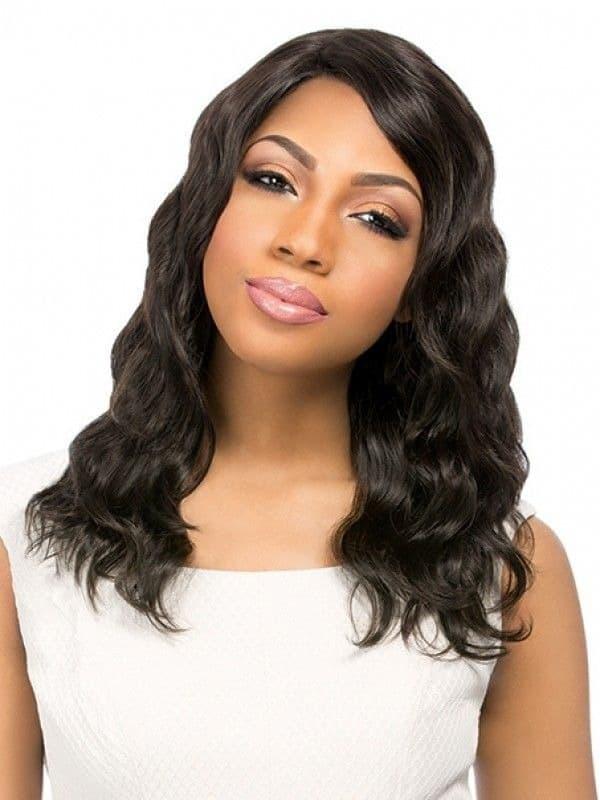
Different lifestyles call for different finishes. For a professional, polished version of a karen wig, aim for sculpted, smooth surfaces and a precise side or middle part. For weekends and creative outings, texture spray and subtle piece-y layers turn the classic shape into a more modern, lived-in option. For evenings, a glossy serum applied lightly to the mid-lengths and ends elevates shine without weighing the shape down.
- Office-friendly: Smooth part, tucked behind one ear, minimal sheen product.
- Casual day: Texturizing spray, tousled ends, loose side-swept fringe.
- Event-ready: Polished volume, defined angle, light gloss sheen.
Color and dimension strategies
Color can take a karen wig from predictable to bespoke. If you work with a human-hair unit, consider low-maintenance options like balayage or soft highlights at the face-framing sections. For synthetics, use pre-colored pieces or try clip-in color combinations for temporary accents. Contrast near the roots and subtly lighter tips add depth, making the cut read more dynamic in photos and under indoor lighting.
Quick color hacks
Use color-depositing conditioners to warm or cool tones without a full salon job; they’re great for maintaining vibrancy. For lace tinting at the hairline, a slightly warm undertone mimics natural scalp hues and lends realism to a karen wig.
Accessorizing to personalize
Accessories can either highlight the cut or provide functional hold. Minimal metal clips tucked behind one ear can secure a tucked look. Thin headbands oriented at the hairline conceal mismatched lace or make the hairline look more intentional. Scarves, barrettes and decorative pins transform a karen wig for seasons and occasions; choose pieces proportional to the bob’s scale to avoid visual clutter.
Maintenance and longevity
Cleaning frequency depends on wear. For daily use, wash every 7–10 wears; for occasional use, monthly is fine. Store the wig on a mannequin head or a wig stand to preserve the silhouette. For heat-styled units, use a lightweight conditioning spray and avoid sleeping in wigs to prevent tangling and premature wear. Routine trims every 6–12 weeks keep the angle crisp. When in doubt, consult a qualified wig therapist or stylist for deep restoration.
Troubleshooting common issues
If the unit loses its angle, reshape with a cold-steam set or gentle trimming to reinstate the stacked back. When face-framing layers feel too blunt, add point cutting or micro-layering to reduce bulk. For shedding, reinforce wefts with a clear-netting backing adhesive or have a professional reweft the base. If shine gets excessive, wash with clarifying solutions designed for wigs and follow with a lightweight conditioner to restore balance.
On-the-go fixes
Carry a mini brush, a travel-sized smoothing balm and a few bobby pins. A small dry shampoo helps absorb oils and refresh volume at the root. A compact heatless roller or a single Velcro roll can rebuild crown lift in minutes.
Creative variations beyond the classic
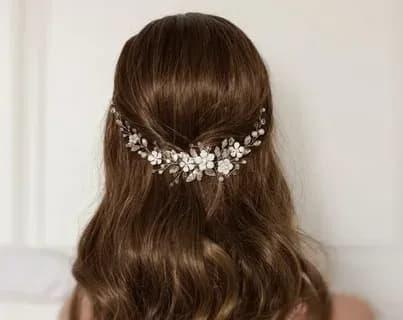
Think of a karen wig as a platform for expression. Add asymmetry by keeping one side slightly longer, or blend in face-framing curtain bangs for softness. For an edgier look, undercut the nape of a human-hair unit or pair the classic bob with a removable fringe clip-in system for instant changeability without repurchasing a whole wig.
Layered extensions and wefted pieces can also thicken key zones for dramatic density without affecting perimeter length, preserving the recognizable profile while allowing experimentation.
Buying checklist to get the best starting point
- Cap type: Lace front or monofilament for realistic parting and hairline.
- Fiber: Human hair for maximum versatility; heat-resistant synthetic for low maintenance.
- Pre-cut vs raw: Pre-cut is convenient; raw allows tailoring to your face shape.
- Color options: Choose dimension over flat tone for a natural look with a karen wig.
- Return policy and reviews: Verify customer photos and length accuracy.
Styling routine example: 5-minute weekday refresh
1. Secure the unit, check the part, and spritz root-refresh spray. 2. Use a round brush and blow-dryer on low to lift crown if needed. 3. Tame flyaways with a pea-sized smoothing serum applied to mid-lengths and ends. 4. If necessary, re-sweep the fringe with a flat iron on low or use a warm brush to redirect angle. 5. Finish with a light flexible hairspray to maintain shape while preserving movement. This quick routine keeps the defining lines of a karen wig intact while allowing natural motion.
When to see a pro
If your unit requires structural cap modification, major color change, or advanced rewefting, consult a specialized wig technician. Professionals have the right adhesives, ventilating tools and color formulas to transform a basic unit into something indistinguishable from natural hair. For permanent changes, a pro’s experience prevents costly mistakes.
Keeping it modern: trends you can borrow
Contemporary takes on the bob include softened angles, curtain bangs, subtle balayage and lived-in texture. Integrate one trend at a time so your version of a karen wig feels personal rather than trendy-for-trendiness' sake. If you want to keep the core aesthetic but feel more current, focus on softer edges, lighter face-framing pieces and a more natural root-to-tip gradient.
Quick safety notes
Avoid applying high heat to synthetic fibers not rated for heat. Use adhesives and tapes recommended for lace units and test adhesives on a small skin patch first to check for irritation. Store and clean wigs according to manufacturer instructions to maximize safety and longevity.
Wrap-up: confidence in your styling
Styling a karen wig is a blend of technique, product knowledge and personalization. With these steps — from cap fit to cutting, color to maintenance — you can create long-lasting, flattering results that match your lifestyle. Experiment intentionally, document what works for your face shape and scalp tone, and build a small toolkit of go-to products. Over time you'll develop efficient routines that make your favorite unit feel like an extension of your personal style rather than a costume piece.
Resources and recommended tools
- Wide-tooth comb and soft bristle brush
- Professional shears and texturizing razor
- Heat protectant formulated for wigs
- Lightweight conditioning spray and detangler
- Adjustable wig stand and mannequin head
Community and inspiration
Join online wig communities and follow stylists who post before-and-after shots to learn techniques and find inspiration for updating a karen wig. Practice is the fastest teacher; try small changes and keep a log of products and settings that produce the best outcomes for your unit.
FAQ
How often should I wash a wig styled as a bob?
For regular daily wear, wash every 7–10 wears; for occasional use, once a month is sufficient. Avoid over-washing to extend fiber life.
Can I heat-style every day?
If the unit is human hair, careful heat styling on low settings is fine, but use heat protectant and avoid daily high-temperature sessions to reduce damage. For synthetic heat-friendly fibers, follow the manufacturer's max temperature and keep sessions brief.
What is the easiest way to maintain volume at the crown?
Use a small round brush and blow-dryer to direct airflow upward, or set Velcro rollers at the crown for 10–15 minutes. Root-lifting sprays formulated for wigs also help without heavy buildup.